
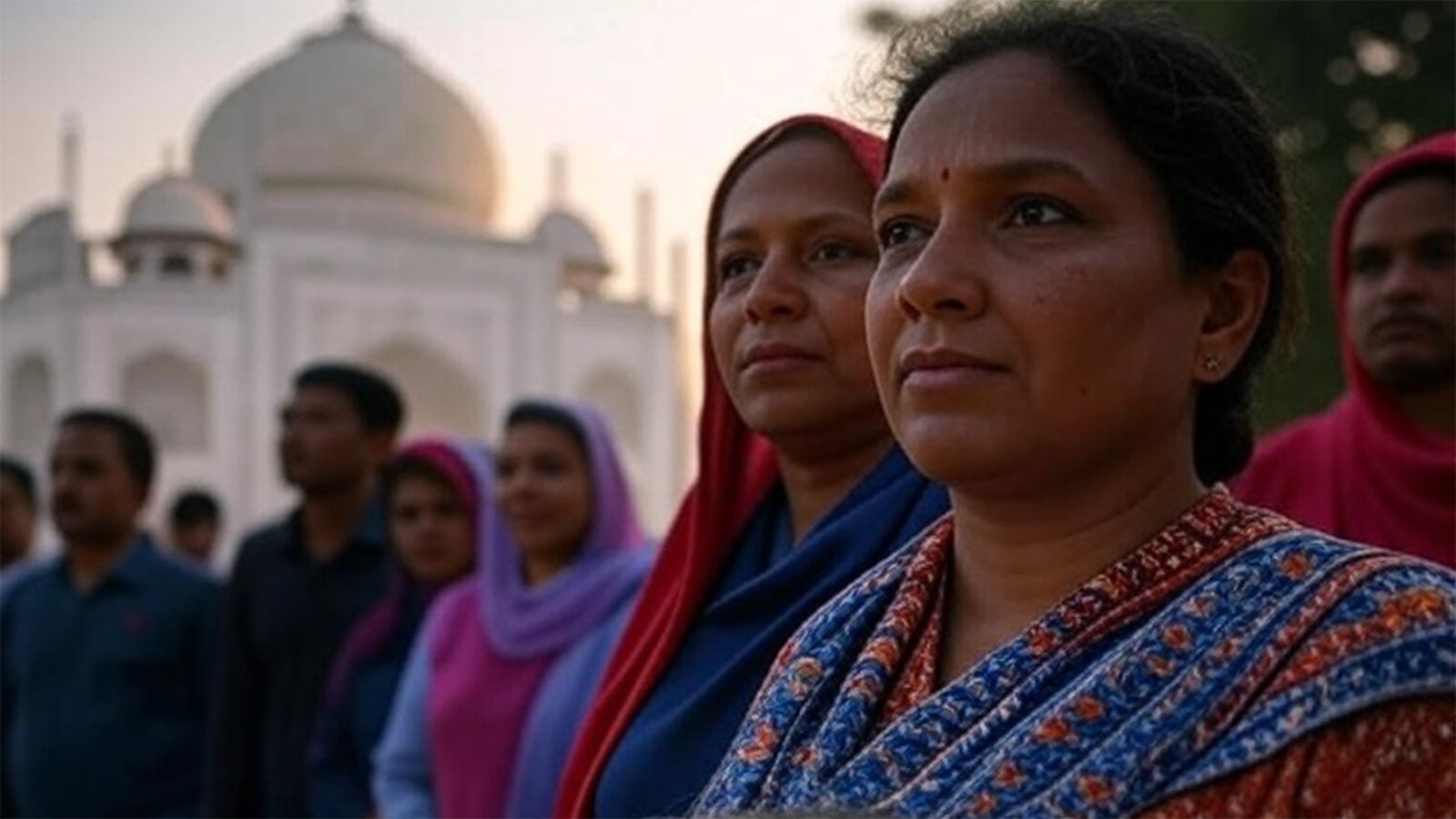
- India’s next census will include caste details for the first time since 1931.
- The move is expected to impact socio-economic policies and political dynamics.
- Caste data is crucial for implementing affirmative action programs.
- The decision comes ahead of elections in Bihar, where caste is a key issue.
- Critics warn the census could deepen social divisions.
India’s Historic Decision to Include Caste in Census
India has announced that its next national census will include caste details, marking a historic shift in its data collection practices. This will be the first time since 1931 that caste information is included in a comprehensive national survey. Information Minister Ashwini Vaishnaw stated that the decision underscores the government’s commitment to addressing the “values and interests of society and the country.”
Why Caste Data Matters
Caste has been a cornerstone of Indian society for centuries, influencing social, economic, and political structures. The inclusion of caste data in the census is expected to have far-reaching implications, particularly for affirmative action programs. Currently, India reserves 50% of government jobs, college admissions, and elected offices for disadvantaged groups, with 27% allocated to Other Backward Classes (OBCs). However, the lack of updated caste data has long been a challenge in effectively implementing these policies.
Historical Context of Caste in Indian Censuses
The practice of recording caste in India’s census dates back to British colonial rule, which began caste enumeration in 1872. This continued until 1931, after which independent India chose to exclude caste details, except for Scheduled Castes (Dalits) and Scheduled Tribes (Adivasis). The aim was to promote a unified, casteless society. However, critics argue that this approach has left significant gaps in understanding the socio-economic realities of various caste groups.
Political Implications of the Decision
The announcement comes at a politically sensitive time, just months before elections in Bihar, one of India’s poorest states where caste dynamics play a crucial role. Prime Minister Narendra Modi’s Bharatiya Janata Party (BJP) has historically opposed caste-based enumeration, citing concerns about deepening social divisions. However, the decision to include caste details in the census appears to be a strategic move to counter opposition parties, which have been vocal advocates for a caste census.
State-Level Caste Surveys and Their Impact
Several Indian states, including Bihar and Karnataka, have already conducted their own caste surveys. These surveys revealed a higher number of OBCs than previously estimated, leading to calls for increased quotas. The national census is expected to provide a more comprehensive picture, potentially reshaping affirmative action policies and resource allocation.
Challenges and Criticisms
While the decision has been hailed as a step toward greater transparency and social justice, it is not without controversy. Critics warn that caste enumeration could exacerbate social tensions and lead to demands for further sub-categorization. Additionally, the logistical challenges of conducting a caste-based census in a country as diverse as India cannot be underestimated.
*The inclusion of caste details in India’s next census is a landmark decision with significant socio-economic and political implications. While it promises to provide valuable data for policymaking, it also poses challenges that will require careful management. The success of this initiative will depend on how effectively the government navigates the complexities of caste dynamics in the world’s most populous country.*
Source: Associated Press, The Indian Express