
Quick Read
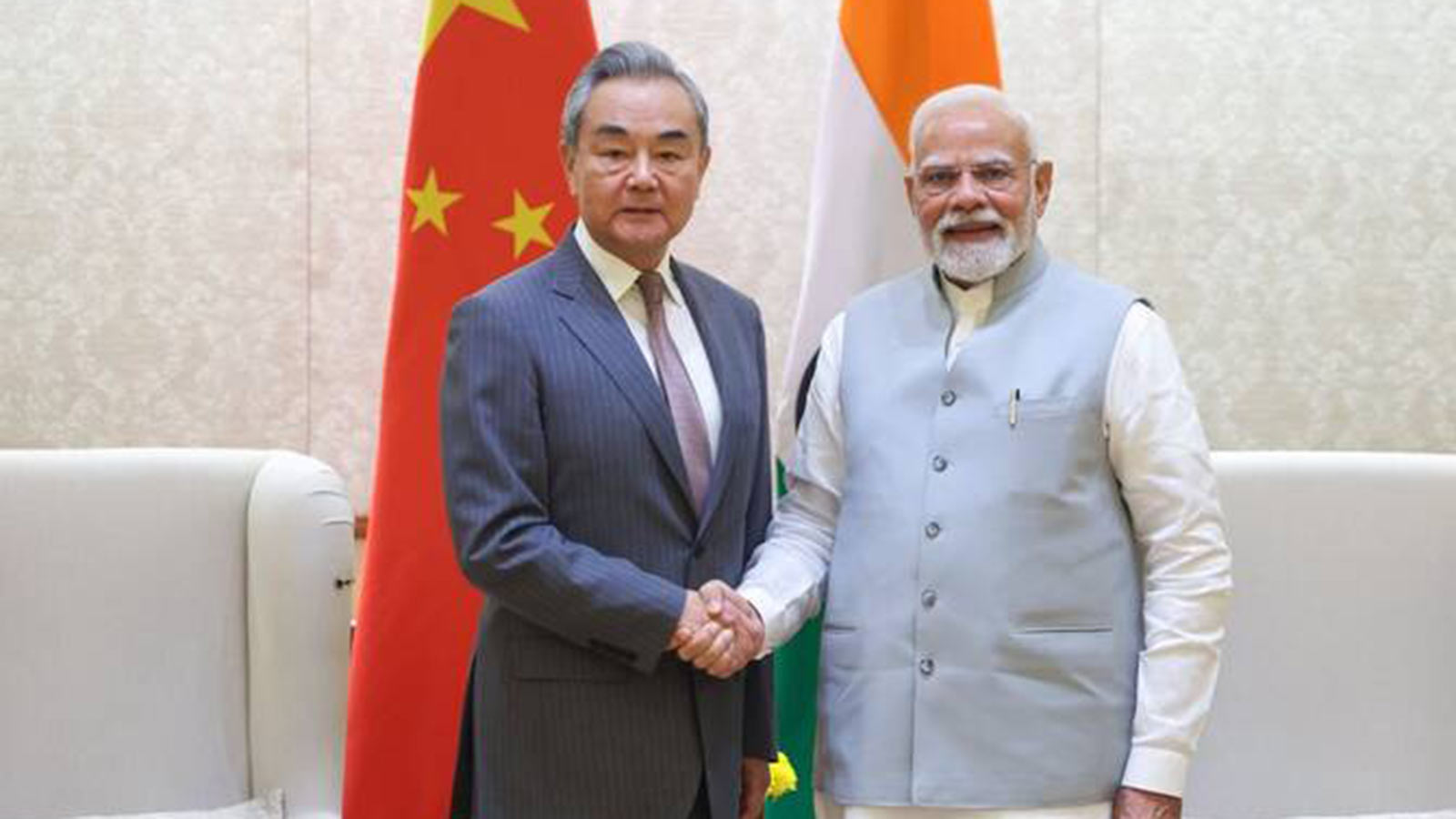
- Indian PM Modi and Chinese FM Wang Yi met in New Delhi on August 19, 2025, to discuss improving bilateral relations.
- Key topics included border stability, trade, and mutual respect for each other’s interests.
- This meeting follows years of tension, including the 2020 Galwan Valley clash.
- Geopolitical shifts, including strained US-India ties, influence the thaw in India-China relations.
- Modi is set to visit China for the SCO Summit later this month.
India and China, two of the largest and most influential nations in Asia, are making strides in rebuilding their bilateral relations after years of tension. The recent meeting between Indian Prime Minister Narendra Modi and Chinese Foreign Minister Wang Yi on August 19, 2025, marked a significant step in this direction. The talks, held in New Delhi, highlighted the steady progress in their ties, emphasizing mutual respect and sensitivity to each other’s interests.
Historical Context: From Conflict to Cooperation
The relationship between India and China has been fraught with challenges, particularly in recent years. The deadly border clash in the Galwan Valley in 2020, which resulted in the loss of 20 Indian soldiers and four Chinese soldiers, led to a significant freeze in diplomatic and economic ties. Both nations deployed tens of thousands of troops along their shared border in the Himalayan region, further exacerbating tensions.
However, efforts to stabilize relations began to take shape in October 2024, when Modi and Chinese President Xi Jinping met on the sidelines of a summit in Russia. This marked the first high-level interaction between the two leaders since 2019. The discussions paved the way for subsequent engagements, including the recent talks in New Delhi.
The August 19 Meeting: Key Outcomes
During the August 19 meeting, Modi expressed optimism about the progress made since his last discussion with Xi Jinping. He emphasized the importance of “stable, predictable, and constructive” ties between the two nations, which he believes are crucial for regional and global peace and prosperity. Wang Yi, in turn, highlighted the need for both countries to “trust and support” each other, signaling a mutual willingness to address long-standing issues.
The discussions also touched upon critical topics such as border stability, trade relations, and people-to-people exchanges. India’s External Affairs Minister Subrahmanyam Jaishankar and National Security Adviser Ajit Doval had earlier met with Wang to discuss de-escalation and boundary delimitation in the disputed Himalayan region. According to AP News, these talks are part of broader efforts to restore normalcy along the 3,488-kilometer border.
Geopolitical Shifts and Strategic Calculations
The improving relations between India and China come at a time of significant geopolitical shifts. India’s ties with the United States have experienced strain due to recent tariffs imposed by the U.S. on Indian goods. Meanwhile, China’s deepening involvement in Pakistan, India’s long-standing rival, adds another layer of complexity. As Lt. Gen. D.S. Hooda noted in an interview with AP News, “You can’t have two hostile neighbors on your borders and simultaneously deal with them also.”
Despite these challenges, both nations appear committed to finding common ground. Recent agreements on border patrols and the withdrawal of additional forces in certain areas are positive signs. Furthermore, initiatives like reopening trade routes and facilitating religious pilgrimages to Tibet underscore a renewed focus on fostering goodwill.
The Road Ahead: Opportunities and Challenges
Looking ahead, Modi is scheduled to visit China later this month for the Shanghai Cooperation Organization (SCO) Summit in Tianjin. This will be his first visit to China in seven years and presents an opportunity to further consolidate the progress made in recent months. The summit also provides a platform for discussions on broader regional issues, including countering U.S. influence in Asia.
However, significant challenges remain. The boundary dispute, which has been a source of contention for decades, requires a “political compromise at the highest level,” as noted by Manoj Joshi of the Observer Research Foundation. Additionally, the broader geopolitical context, including U.S.-China tensions and China’s support for Pakistan, continues to influence the dynamics of India-China relations.
*As India and China navigate this complex landscape, their ability to balance national interests with mutual cooperation will be key to shaping the future of Asia and beyond.*