
Quick Read
- The closure of the Strait of Hormuz has halted 90 percent of India’s LPG imports, triggering a nationwide supply shortage.
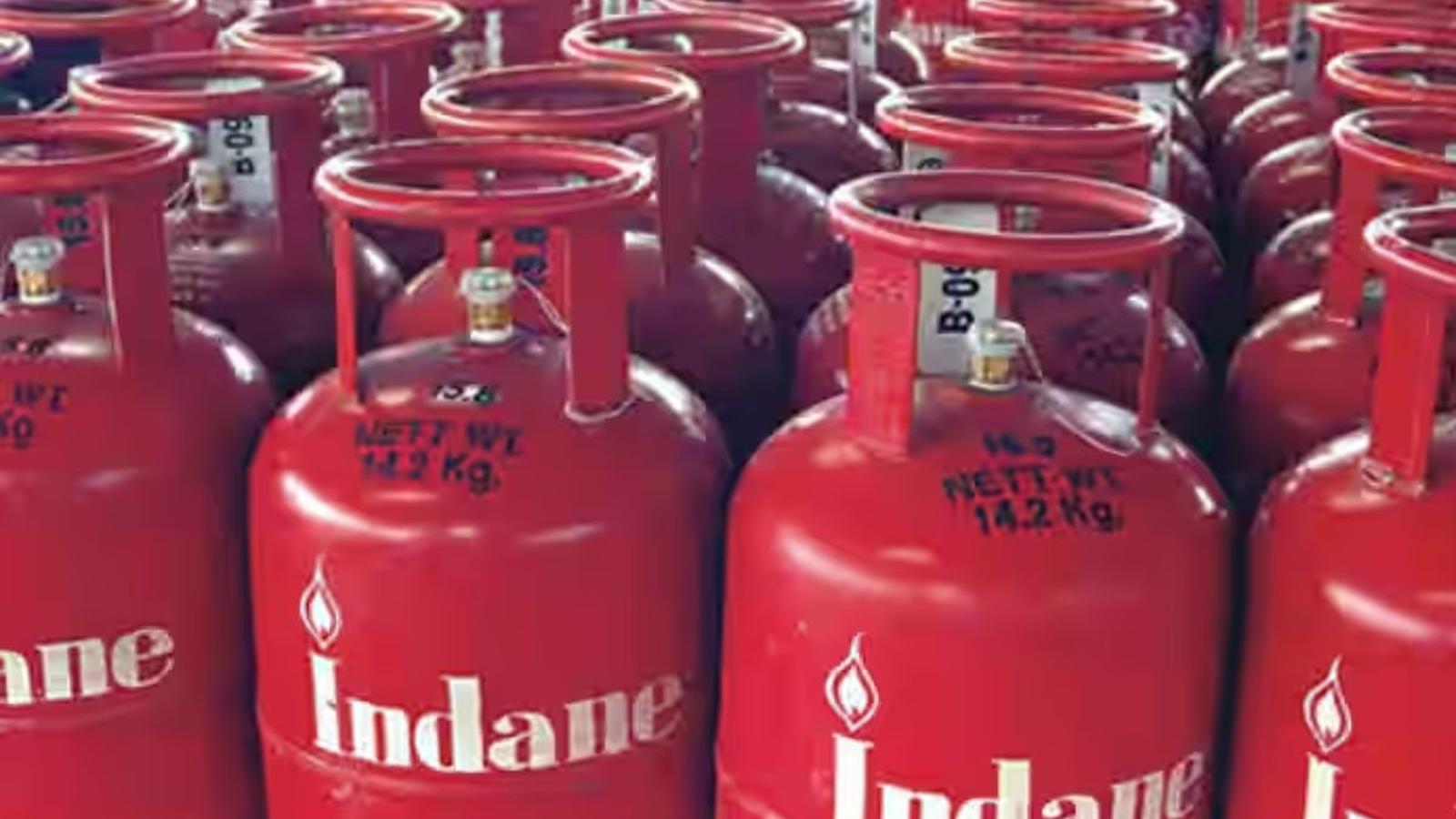
- Digital booking systems for Indane and other providers have crashed due to an unprecedented spike in traffic.
- State governments are invoking emergency powers to combat black-market hoarding as commercial and domestic sectors struggle to adapt.
NEW DELHI (Azat TV) – India’s digital infrastructure for household cooking gas is facing a systemic collapse as millions of consumers attempt to secure fuel supplies amid a deepening energy crisis. The disruption follows the closure of the Strait of Hormuz, a critical shipping artery that handles 90 percent of India’s imported liquefied petroleum gas (LPG), effectively cutting off major supply routes from the Gulf.
Digital Infrastructure Overloaded by Panic Demand
As news of the maritime blockade spread, a massive surge in refill requests overwhelmed official booking platforms, including mobile apps, IVRS hotlines, and WhatsApp channels. According to The Sunday Guardian, distributors report that systems were never designed to handle such a concentrated volume of traffic. Consumers across multiple states have faced repeated “server down” errors, while others report that successfully placed orders were cancelled without explanation.
Shashi Kant Sharma, vice-president of the Federation of LPG Distributors of India, confirmed that the digital architecture is currently struggling to process the spike in demand, forcing many residents to abandon online methods and queue for hours outside local gas agencies in hopes of securing a delivery.
Impact on Commercial and Domestic Sectors
The supply shortfall is rippling through the economy, forcing businesses to drastically alter operations. Commercial kitchens, hotels, and industrial plants have been hit hardest by the restricted flow of fuel. In several states, authorities have invoked emergency powers under the Essential Commodities Act to prioritize domestic supply, forcing industrial users to operate at limited capacity. Clarion India reports that restaurants in major hubs have begun scaling back menus or shuttering operations entirely, with some establishments reverting to traditional wood and coal-fired stoves to maintain basic services.
Government Response and Market Instability
The Indian government, currently facing intense pressure from the Opposition to address the lack of supply chain diversification, has scrambled to curb black-market profiteering. Reports indicate that domestic cylinders are being sold on the secondary market at nearly triple the standard price, while commercial cylinders have seen even steeper markups. While the government has mandated that oil marketing companies boost production, the underlying dependency on the Hormuz route remains a vulnerability that experts suggest will require significant long-term strategic adjustments.
The current crisis serves as a stark illustration of the fragility inherent in relying on singular maritime chokepoints for national energy security, revealing that even advanced digital booking systems are ineffective when the physical supply chain is severed at its source.