
Quick Read
- The Indian Army plans to launch an indigenous drone warfare framework by October 2025.
- Contracts worth $200 million are anticipated in the next four months.
- India seeks to overcome challenges in high-altitude drone operations.
- Global drone usage intensifies, highlighted by Russia’s massive attacks on Kyiv.
- India aims to establish a $90 million defense drone market with a focus on self-reliance.
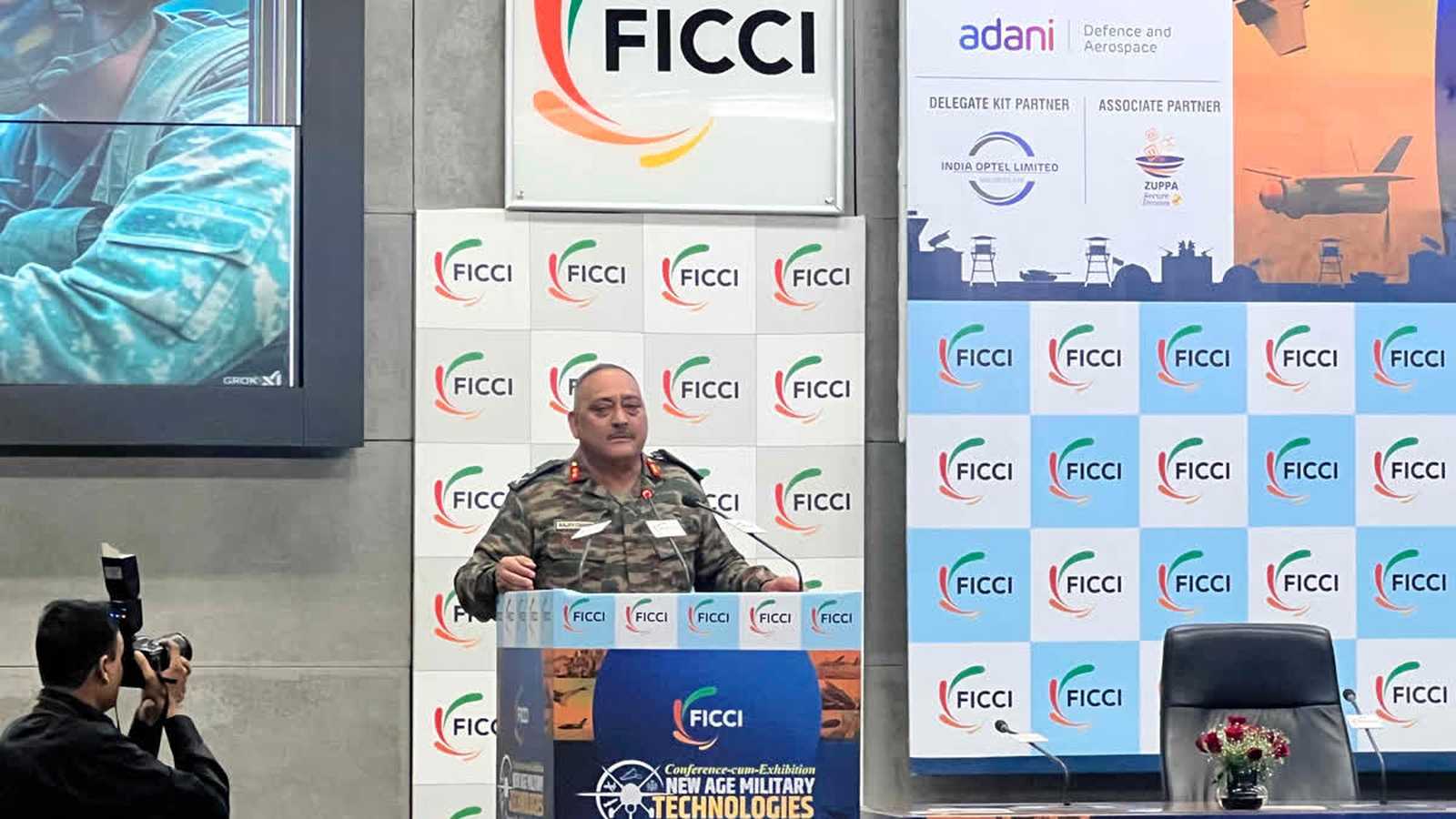
The Indian Army is gearing up for a significant leap in its defense capabilities by focusing on indigenous drone technologies, an initiative that marks a turning point in India’s push for self-reliance in defense. Against the backdrop of increasing global reliance on drones in warfare, including recent escalations in Ukraine, India’s ambitions signal a broader shift in military strategy. At a conference organized by the Federation of Indian Chambers of Commerce and Industry (FICCI) on July 5, 2025, top army commanders laid out a comprehensive vision for integrating next-generation technologies into the Indian military framework.
India’s Push for Self-Reliance in Drone Warfare
During the FICCI conference on ‘New Age Military Technologies,’ Lt Gen Rahul R Singh, Deputy Chief of Army Staff for Capability Development & Sustenance, emphasized the necessity of being ‘future-ready’ and self-reliant. He declared, “Atmanirbharta in defense is not an option.” With India currently dependent on foreign suppliers for critical drone components like flight controllers, Lt Gen Singh underlined the urgency of developing a secure and indigenous ecosystem. This push aligns with the Army’s broader strategy to operate effectively across all five generations of warfare, from traditional combat to AI-driven hybrid conflicts.
The Indian Army is expected to release a comprehensive Drone Framework by September or October 2025. This framework aims to incentivize domestic production, streamline testing protocols, and address systemic vulnerabilities. Contracts worth $60 million have already been signed in recent months, with an additional $200 million expected in the coming four months, according to senior officials. These investments highlight the Army’s commitment to fostering partnerships with over 10,000 strategic collaborators, including private industry and research organizations.
Challenges and Innovations in High-Altitude Drone Technology
One of the key challenges India faces is developing drones capable of operating in high-altitude and extreme weather conditions, such as those in Ladakh and other mountainous regions. Conventional drones often fail in these terrains due to limited payload capacities and performance issues in thin air. A senior Major General noted that while solar-powered drones and stealth platforms are under development, many critical components, such as sensors and propulsion systems, are still imported, posing security risks.
To address these challenges, the Army is focusing on fostering indigenous research and development at the component level. Lt Gen Singh urged private industry to invest in areas like cybersecurity safeguards, endurance design, and stealth engineering. He also emphasized the need for a network of standardized testing facilities to expedite innovation and battlefield deployment timelines.
Global Context: Drone Warfare in Ukraine
India’s focus on drones comes at a time when the global use of unmanned aerial vehicles (UAVs) in warfare is reaching unprecedented levels. On July 5, 2025, Russia launched its largest drone and missile barrage on Kyiv since the war in Ukraine began, deploying 550 drones and 11 missiles in a single night. Ukrainian forces intercepted many of these attacks, but significant damage was reported across Kyiv and other regions, with debris blocking streets and causing mass panic.
This escalation underscores the critical role of drones in modern warfare, from logistics and surveillance to offensive strikes. Ukrainian officials have called for enhanced air defense systems and the development of domestic drone capabilities. Similarly, India is positioning itself to avoid reliance on foreign suppliers and to strengthen its capabilities for both defensive and offensive operations.
The Road Ahead: Collaboration and Innovation
The Indian Army is actively seeking meaningful joint ventures with private industry and research institutions. Initiatives like Project Abhyaas Sindoor aim to consolidate interest in drone manufacturing, encouraging contributions from a diverse range of stakeholders, from tech startups to established defense firms. Lt Gen Singh outlined a ‘4 Cs’ approach—cooperate, collaborate, compete, and don’t complain—to drive innovation and efficiency in defense manufacturing.
Representatives from the private sector, including Vinod Sahay of Mahindra & Mahindra Ltd and Ashok Atluri of Zen Technologies, highlighted the transformative potential of unmanned systems in modern warfare. They stressed the importance of nurturing Indigenously Designed, Developed, and Manufactured (IDDM) companies as strategic national assets.
As India marches toward a $90 million defense drone market, the emphasis remains on mastering technologies like flight control software, stealth engineering, and system integration. The Army is also exploring the use of drones in disaster response, terrain mapping, and climate-induced emergencies, recognizing their versatility beyond the battlefield.
India’s commitment to developing a robust and self-reliant drone ecosystem reflects its broader ambition to lead in next-generation military technologies. As global conflicts increasingly rely on drones, India’s efforts to innovate and collaborate could redefine its strategic capabilities in the years to come.