
Quick Read
- South Dakota’s Medical Marijuana Oversight Committee approved eleven motions for tighter regulation without prior public notice or comment.
- Industry representatives in South Dakota criticized the lack of transparency and public input, claiming regulations may hinder patient access.
- China’s cruise sector is expanding rapidly, with Adora Cruises unveiling plans for new ships and increased local supply chain integration.
- Royal Caribbean and Carnival are investing in creative marketing and stable supply chains to attract more international travelers in China.
- US wine producers are facing rising costs and uncertainty due to tariffs on both imported wine and production materials, leading to potential price hikes for consumers.
Medical Marijuana Oversight Sparks Tensions in South Dakota
On November 4 in Pierre, South Dakota, the rift between the state’s medical marijuana industry and its oversight committee deepened. The Medical Marijuana Oversight Committee passed eleven motions—many aimed at tighter regulation—without prior public disclosure or comment. Four of the eleven committee members were absent, all non-legislators, fueling concerns about transparency and representation (Aberdeen Insider).
The intentions behind these motions were ambiguous. They weren’t presented as formal rule changes or bills for the upcoming legislative session, but rather as recommendations or statements of support on a range of issues. Some proposed stricter regulations for medical marijuana establishments, including fairer fines, mandatory patient cards, and a cap on THC content. Others called for THC products to be sold only in licensed facilities and for improved data reporting on hospitalizations and drug-related incidents.
Industry advocates voiced strong objections. Lobbyist Jeremiah Murphy demanded the minutes reflect that no advance notice or public comment was allowed. Kittrick Jeffries, representing Puffy’s Dispensary, argued that the committee’s actions were making it harder for patients to access medical cannabis—a right decided by voters five years prior.
Public comment at the meeting was capped at two minutes per person, but even this proved contentious. Emmett Reistroffer of Genesis Farms was muted by committee chair Rep. Josephine Garcia after criticizing her leadership, citing her previous attempts to repeal the state’s medical marijuana program. The exchange highlighted a broader mistrust between industry participants and the committee, with accusations of bias and lack of transparency.
Notably, the committee rejected a motion to include an industry representative among its members, reinforcing the perception that industry voices are being sidelined. A motion for mandatory warning labels was withdrawn after officials clarified that such labels are already required.
China’s Cruise Industry Charts Ambitious Course
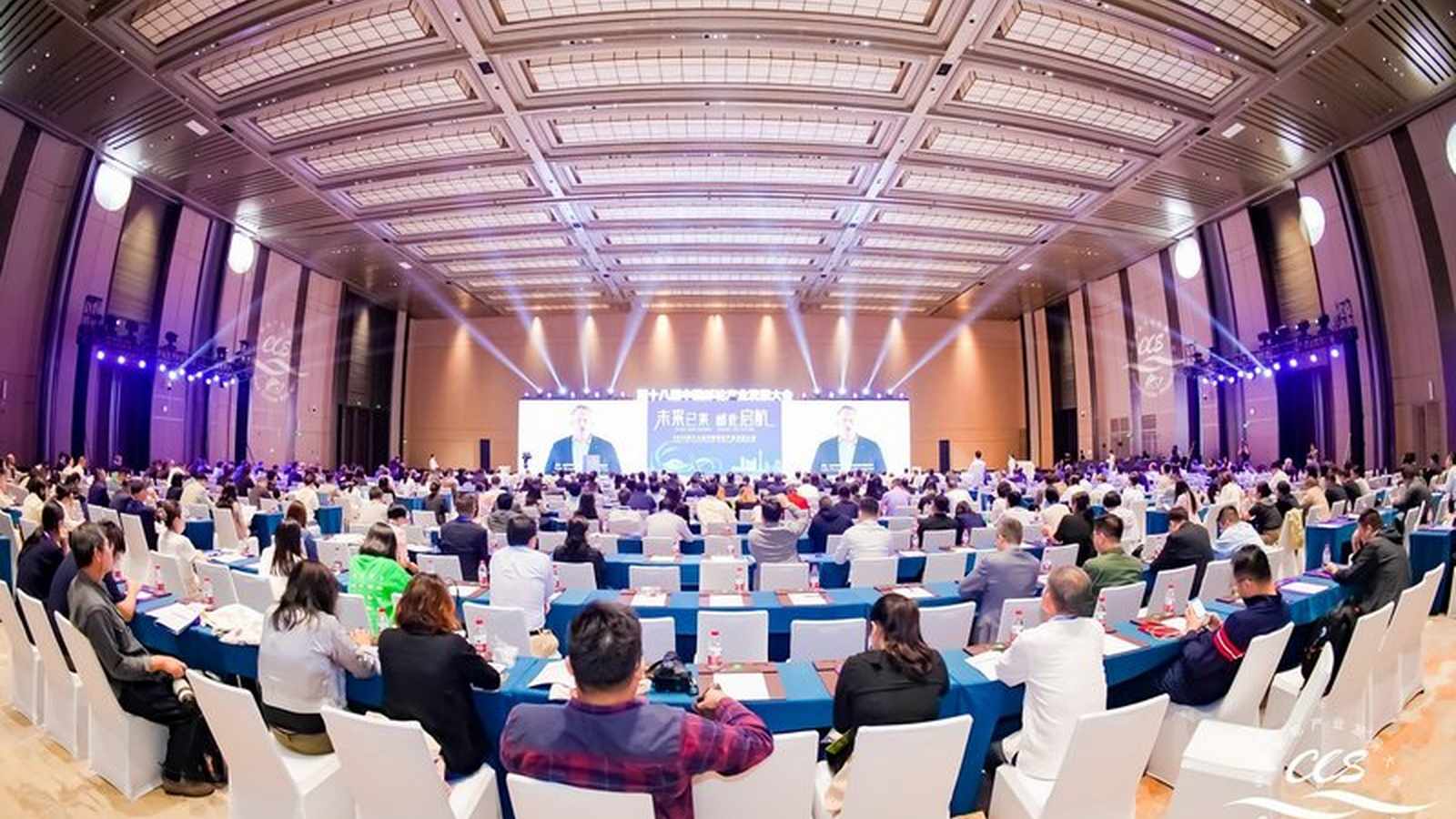
Across the globe, leaders in the Chinese cruise sector gathered at the 18th China Cruise Shipping Conference in Guangzhou, unveiling strategies to propel the industry into a new era (Cruise Industry News). Adora Cruises, now operating two ships across seven homeports and holding 43% of China’s cruise capacity, announced expansion plans under its “1314 Strategy.” This plan centers on strategic alliances, enhanced operations in key ports, a new headquarters in the Greater Bay Area, and a focus on talent, supply chain, marketing, and ship maintenance.
Adora Cruises CEO Roger Chen revealed recruitment plans for 1,500 new staff and partnerships with local shipyards, aiming to strengthen the supply chain and emphasize Chinese culture in marketing. The company’s Mediterranean vessel will homeport in Shenzhen before returning to Guangzhou, and new ships are set to debut in 2026, underlining rapid growth and localization.
Royal Caribbean, a major international player, is deepening its presence in China through creative marketing, including an interactive high-speed train and extensive social media campaigns. The brand aims to increase overseas guests on Chinese homeport sailings to 13% by 2026, targeting markets in Britain, Russia, Australia, Korea, and Southeast Asia. The pandemic has shifted consumer behavior—Chinese travelers now seek unique experiences onboard rather than shopping, prompting investments in upgraded excursions.
Carnival Corporation and Tianjin Cruise & Yacht Association emphasized the importance of stable port fees and international supply chains for sustainable growth. Meanwhile, shipbuilders like Shanghai Waigaoqiao Shipbuilding and Guangzhou Shipyard International are pushing for greater local component sourcing and digital innovation, with the next Adora ship boasting 85% locally supplied interiors. Astro Ocean Cruise is also venturing internationally, planning overseas homeport operations in Malaysia and thematic cruises to Japan.
US Wine Industry Faces Tariff Turbulence
Meanwhile, in California’s Napa Valley, the US wine industry is grappling with uncertainty as tariffs impact both imports and domestic production (Fox News). Tariffs on imported wine are only part of the challenge. As Dawson Hobbs, executive vice president of the Wine and Spirits Wholesalers of America, explains, “Tariffs are a multilayered issue.” They affect not just wine, but essential materials like glass, aluminum cans, corks, and even the glue for boxes.
Wholesalers and producers alike find themselves squeezed by rising costs, with inventory and carrying costs climbing. The unpredictability of tariff announcements—sometimes threatened, sometimes delayed, sometimes implemented—complicates long-term planning. Hobbs warns that as companies exhaust their ability to absorb costs, consumers will soon see higher shelf prices.
Lucia Hossfeld of Hossfeld Vineyards describes the direct effects: “French oak barrels, the glass bottles, the cork. We’ve seen consolidation, changes in labeling, and even retaliatory tariffs.” Many of these components are hard to source domestically, making imports unavoidable. Over the past 18 months, costs have risen by about 20% due to inflation, labor expenses, and tariffs. While suppliers try to split costs, the industry’s thin margins make this unsustainable.
The on-again, off-again nature of tariff policy further disrupts operations, with wine shipments taking months to arrive and no certainty about tariff rates upon delivery. The looming possibility of price increases as the holiday season approaches has industry insiders bracing for a difficult year.
Industries Worldwide Adapt to New Realities
What ties these stories together is a common thread: industries, whether rooted in agriculture, manufacturing, or services, are confronting profound change. In South Dakota, the medical marijuana sector faces regulatory uncertainty and exclusion from oversight. In China, cruise operators are leveraging local resources and creative marketing to reinvent travel experiences. In the US, winemakers struggle with the unpredictable weight of tariffs and supply chain disruptions.
Each scenario reflects broader tensions—between innovation and regulation, local interests and global markets, stability and uncertainty. The strategies and responses vary, but the stakes remain high for industry players, workers, and consumers alike.
Across sectors and continents, industry leaders are being tested by forces beyond their control: regulatory shifts, economic headwinds, and the need to adapt. Their responses—whether advocating for transparency, investing in supply chains, or absorbing costs—will shape not just their own fortunes, but the experiences of millions who depend on these industries every day.