
Quick Read
- A American engineering and advisory firm AECOM dispatched a team to Armenia.
- The purpose is to begin TRIPPP-related research activities.
- The research is described as aimed at supporting economic growth in Armenia.
- The visit signals ongoing international collaboration on development initiatives.
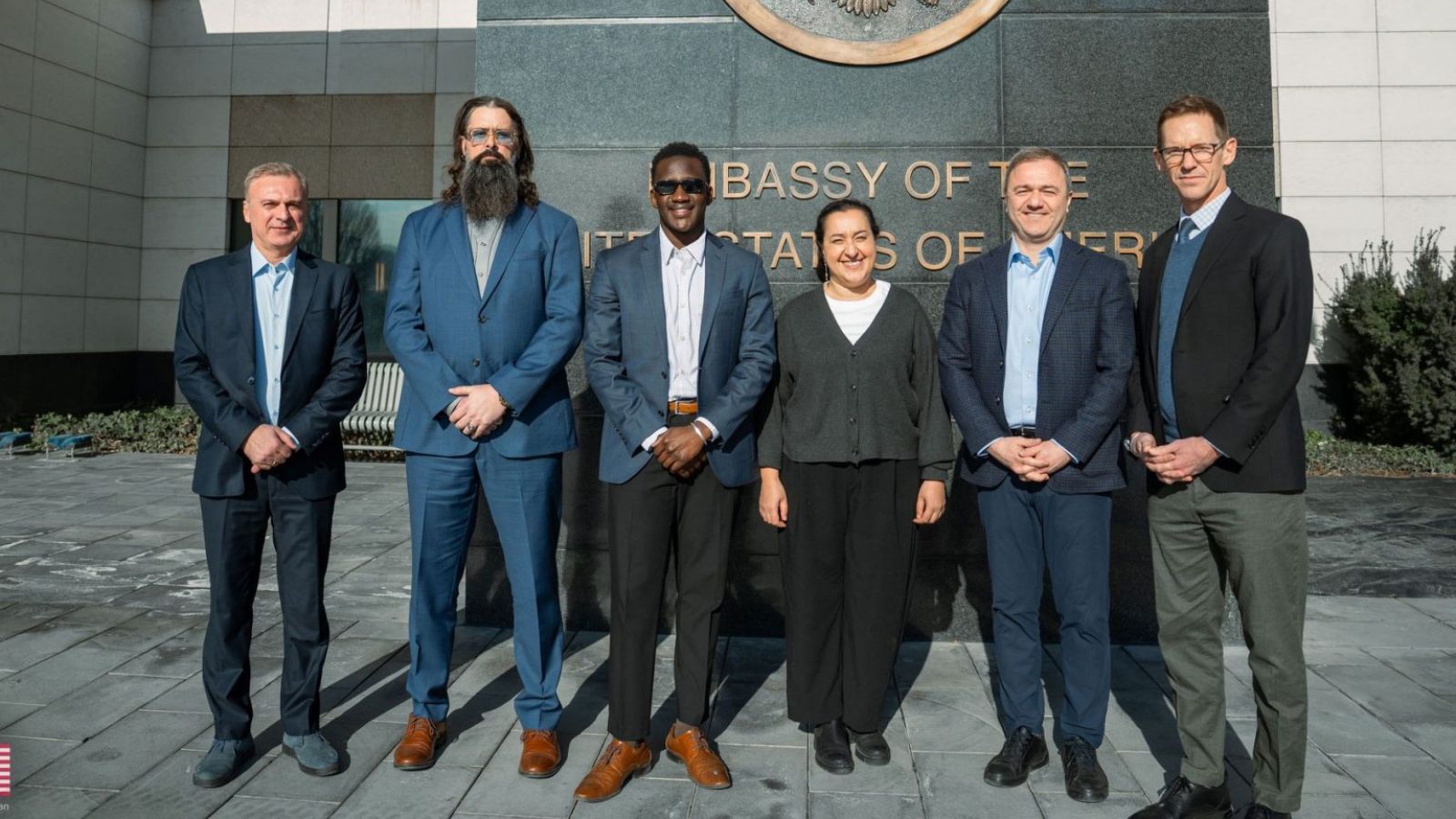
An American engineering and advisory services firm, AECOM, has dispatched a team to Armenia to commence research activities tied to the TRIPPP initiative. The visit, confirmed by company representatives, underscores a growing effort to harness international expertise to inform Armenia’s development strategies and attract investments. AECOM, a global player in infrastructure, architecture, and environmental consulting, is engaging with Armenian partners on a project described locally as TRIPPP. The stated aim is to support economic growth through rigorous research, analysis, and advisory work. The move arrives in 2026, a year marked by Armenia’s ongoing push to diversify its economy and strengthen its capacity to implement large-scale development projects.
While the Armenian government and its international partners have been pursuing new avenues for infrastructure modernization and policy planning, the specifics of the TRIPPP program have not been publicly elaborated in detail. What has been publicly stated is that the TRIPPP research is intended to contribute to growth-oriented decision-making. In practical terms, that means generating data-driven insights that can inform investment priorities, public policy, and likely future projects in sectors that influence Armenia’s economic trajectory. The AECOM team’s arrival in Armenia signals continued confidence in international collaboration as a mechanism to accelerate development gains and improve the evidence base for governance decisions.
Analysts observing Armenia’s development landscape point to the value that international expertise can bring in terms of methodological rigor, risk assessment, and best practices in project planning and implementation. Even as such partnerships hold promise, they also require careful alignment with national priorities, transparency in processes, and sustained local ownership to translate research findings into tangible outcomes. The collaboration with AECOM may involve workshops, data collection, and joint assessments designed to map challenges and opportunities within Armenia’s economy. Crucially, the ultimate impact of TRIPPP will depend on how findings are translated into actionable policies, how stakeholders are engaged, and how the resulting recommendations are financed and overseen over time.
In the broader regional context, Armenia has repeatedly highlighted the importance of external partnerships as part of its growth strategy. International firms with expertise in infrastructure, urban planning, energy, and resilience are often sought for knowledge transfer, capacity building, and the amplification of local competencies. The 2026 visit by the AECOM team aligns with this pattern, illustrating a continued preference for evidence-based approaches to development that leverage global experience while remaining rooted in Armenia’s unique economic and social landscape. Observers emphasize that the success of such engagements will hinge on clear milestones, transparent reporting, and mechanisms that ensure local stakeholders, including government bodies, universities, and the private sector, can participate meaningfully in the research process and benefit from its outputs.
As TRIPPP progresses, observers will look for initial findings, potential pilot activities, and the establishment of a framework for ongoing cooperation between Armenian institutions and international experts. The AECOM team’s mission in Armenia is a reminder that global capital and know-how continue to intersect with national development agendas, with the potential to influence growth trajectories for years to come. While no quick fixes exist for complex economic challenges, structured, data-driven research such as TRIPPP can contribute to more informed planning and potentially better outcomes when paired with strong governance and inclusive stakeholder engagement.
FINAL ANALYSIS: Successful integration of TRIPPP insights will depend on sustained local ownership, transparent processes, and alignment with Armenia’s development priorities, ensuring that international expertise translates into durable, inclusive growth.