
Quick Read
- Ingram Micro confirmed a ransomware attack by SafePay, disrupting operations globally.
- SafePay, an increasingly active ransomware group, employs advanced tactics like data exfiltration and encryption.
- The attack raises concerns about vulnerabilities in the global tech supply chain and Ingram Micro’s cybersecurity measures.
- Criticism has emerged over Ingram Micro’s delayed communication, impacting trust among partners and customers.
- This incident underscores the growing need for robust cybersecurity protocols and proactive response strategies.
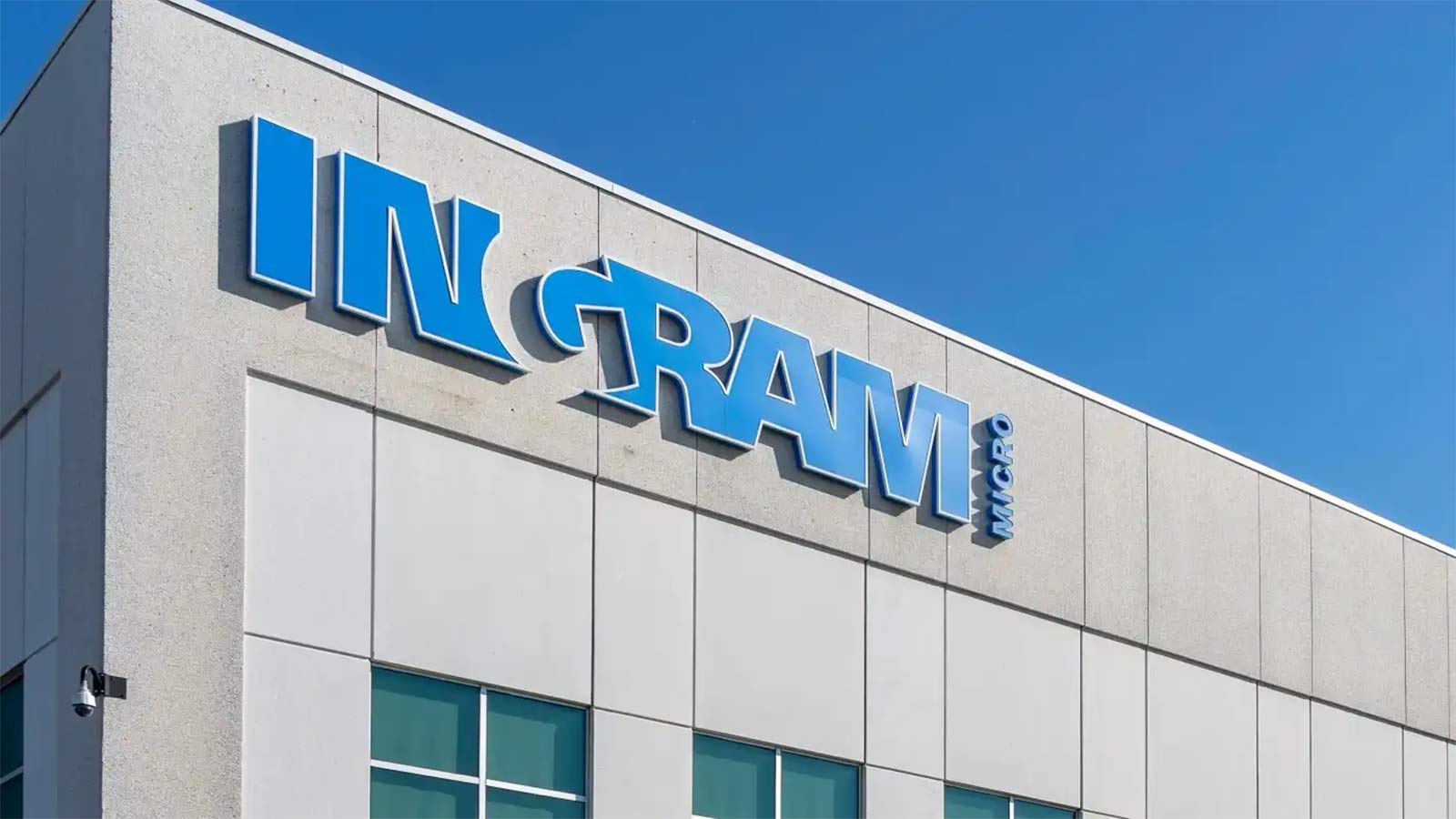
Ingram Micro, a leading global technology distributor, has found itself at the center of a ransomware attack attributed to the SafePay cybercriminal group. The incident, disclosed on July 5, 2025, has disrupted the company’s ability to process and ship orders, sending ripples through the technology supply chain. The attack highlights the escalating threat posed by ransomware and underscores the necessity for robust cybersecurity measures.
Timeline and Immediate Impact
The ransomware attack was first reported on July 3, 2025, when customers began experiencing outages on Ingram Micro’s systems. As per CRN, the company’s online ordering systems and product shipments were crippled, leaving partners and customers in limbo. On July 5, Ingram Micro issued a statement confirming the breach and revealing that certain internal systems had been taken offline to mitigate further risks.
SafePay, a relatively new but increasingly active ransomware operation, is believed to be responsible for the attack. According to BankInfoSecurity, this group has targeted organizations worldwide since its emergence in late 2024, employing sophisticated methods such as exploiting VPN vulnerabilities and misconfigured firewalls. Ingram Micro’s spokesperson stated that law enforcement and leading cybersecurity experts are assisting in the investigation.
The SafePay Threat
SafePay has quickly gained notoriety for its advanced tactics, including data exfiltration and encryption. The group uses tools like WinRAR and FileZilla to extract sensitive information before encrypting files, effectively locking organizations out of their systems. According to The Record, SafePay’s ransom notes often include threats to leak stolen data, pressuring companies to comply with demands.
Ingram Micro is not the first victim of SafePay. Earlier this year, the group attacked a North Carolina-based laboratory services provider, impacting over 230,000 individuals. Experts at Comparitech report that SafePay has been responsible for over 220 attacks, stealing significant amounts of data from each victim. This incident marks another chapter in the group’s ongoing campaign against major enterprises.
Operational and Financial Fallout
The ransomware attack has had immediate and far-reaching consequences for Ingram Micro. As a critical connector between manufacturers and retailers, the company’s downtime has disrupted the global tech supply chain. According to WebProNews, delays in order processing and shipments have left partners scrambling to fulfill commitments, exposing vulnerabilities in the industry’s reliance on a few key distributors.
Financially, Ingram Micro has already felt the impact. The company’s stock price dropped by 4% following the attack, as reported by CRN. While the full financial repercussions remain unclear, the incident has raised questions about the company’s cybersecurity infrastructure and its ability to recover swiftly.
Lessons and Broader Implications
The Ingram Micro ransomware attack serves as a stark reminder of the growing risks posed by cybercriminals to critical infrastructure sectors. The incident underscores the importance of proactive communication and resilience planning. Experts suggest that companies must prioritize cybersecurity measures, including threat detection systems, employee training, and robust backup protocols.
Notably, Ingram Micro’s handling of the situation has drawn criticism. As highlighted by CRN, the company delayed confirming the breach, leaving partners and customers in the dark for over 36 hours. In contrast, proactive communication during similar incidents has proven effective in maintaining trust and minimizing fallout.
As Ingram Micro works to restore operations and assess the full scope of the breach, the industry watches closely. The outcome of this incident may set a precedent for how ransomware attacks are managed in the future.
The attack on Ingram Micro highlights the critical importance of cybersecurity resilience in the face of evolving threats. As ransomware groups continue to target major enterprises, the need for robust defenses and transparent communication has never been greater.