
Quick Read
- Federal immigration enforcement has intensified, with new policies leading to faster deportations and increased raids in Colorado, Chicago, and California.
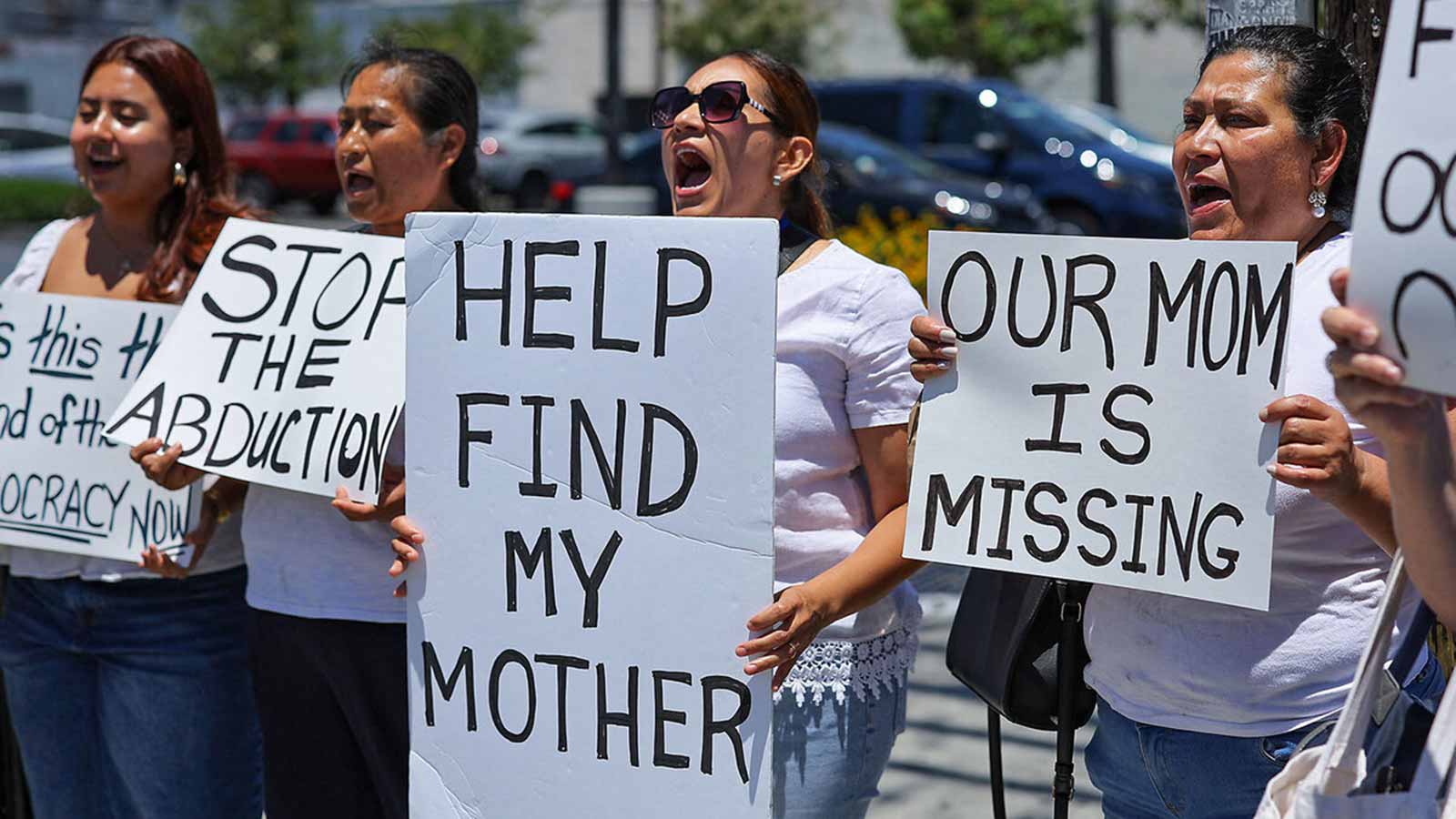
- Legal experts and local leaders warn that due process is increasingly being bypassed, causing hardship for families and communities.
- Chicago’s restaurant industry faces economic losses and staff shortages as immigrant workers and patrons stay home in fear.
- Polls show Americans divided on immigration: regional and partisan differences shape opinions on both enforcement and compassion.
- Community groups and local officials are mobilizing to support immigrants and resist federal intervention.
Colorado’s Legal and Social Turmoil: Due Process Under Fire
The landscape of immigration enforcement in the United States has shifted dramatically in recent months. In Colorado, Nicholas Pierce—a lawyer specializing in asylum and deportation defense—finds himself in a relentless race against changing federal policies. Each new directive, from the so-called “Freaky Friday” initiative that offered unaccompanied minors cash to self-deport, to the rollback of protections for groups like Venezuelan refugees, brings fresh uncertainty. Local human services agencies and families alike are left scrambling for answers, often with little guidance from official sources.
Pierce describes a system that has become both swifter and more unforgiving. “It is, in a lot of ways, much worse than what I had anticipated, much faster than I had anticipated,” he reflects, comparing the current crackdown to previous administrations. With hundreds of cases, he’s witnessed firsthand the profound disruption: legal statuses stripped, families forced into hiding, and children left without the right to hearings. The psychological toll is palpable, as some Coloradans are now advised to seek asylum in countries like Argentina or Chile—an option previously unthinkable.
Public opinion in Colorado is deeply divided, as evidenced by a CPR News and Colorado News Collaborative survey. While some residents support strict border controls, a majority express discomfort with the tactics being used—particularly when due process is circumvented and enforcement appears indiscriminate. One Grand Junction resident put it bluntly: “Ambushing families is despicable.” Another, from Durango, argued, “Deport criminals, not workers.” The refrain is clear: the desire for security must not come at the expense of basic human rights.
State leaders have responded with resistance. Attorney General Phil Weiser has fought federal actions in court, while lawmakers have passed bills to shield undocumented immigrants from attention. Despite these efforts, federal agents continue to execute raids, sometimes in ways that spark outrage—such as smashing car windows or detaining families with children at gunpoint. Even as state laws limit cooperation, interagency coordination persists, fueling tension among policymakers and advocates.
Economic Shockwaves: Chicago’s Restaurants and Workers in Peril
In Chicago, the consequences of the federal crackdown ripple through the city’s restaurant industry—a sector heavily reliant on immigrant labor. With increased ICE activity under operations like Midway Blitz and At Large, owners have taken drastic measures to protect staff: closing doors, shifting to takeout only, and locking entrances during business hours. The fear is pervasive, and its impact is immediate. “You can’t plan for this,” admits one restaurateur, who requested anonymity for safety.
Sales have plummeted for businesses like Taquizas Valdez and Cadinho Bakery, with foot traffic drying up as both workers and diners stay home. “You can definitely feel the streets are lonelier,” says Ivan Valdez. Online harassment compounds the anxiety, with some businesses receiving threats for displaying signs opposing ICE. The economic fallout is compounded by the human stories: street vendors have been detained, losing their livelihoods; families are separated, and owners worry about the well-being of their teams.
Yet, amid the fear, there is resilience. Community groups organize whistle events and restaurant crawls to alert neighborhoods about ICE activity and support local businesses. Owners like Omar Cadena and Eric Carlson describe a strengthened sense of solidarity, with neighbors and elected officials offering advice and resources. Fundraisers for immigrant rights groups are becoming more common, and the message is clear: immigrants are the backbone of Chicago’s vibrant food scene and economy. “They’re paying taxes, pumping money into the economy,” Cadena notes, highlighting the paradox of policies that target those who contribute most.
California’s Vigilance: Political Pushback and Community Mobilization
On the West Coast, the Bay Area remains on edge even after President Trump canceled a planned surge of federal enforcement in San Francisco. The announcement came after significant pressure from city leaders, business figures, and public outcry. But the sense of relief is tempered by caution. “San Francisco remains prepared for any scenario,” Mayor Daniel Lurie declared, echoing the region’s longstanding commitment to sanctuary policies.
The mood is tense. Federal agents’ presence on Coast Guard Island in Alameda sparked protests, with law enforcement deploying flash-bang grenades and pepper powder to disperse crowds. Local officials, including Oakland’s Barbara Lee, vow to support residents through legal means. California’s Governor Gavin Newsom continues to monitor developments, emphasizing the state’s unique role as a haven for immigrants and warning against federal overreach.
This tension plays out against a backdrop of broader political battles: Newsom has vetoed legislation citing hostile federal policies, and state leaders are fighting to preserve funding for critical services. The Bay Area’s story is one of vigilance—balancing preparedness with advocacy, and community mobilization with calls for reasoned governance.
National Pulse: Divided Opinions, Shifting Priorities
Polls reveal a country wrestling with its identity and priorities. In Colorado, concerns about illegal immigration vary by region: 90% on the Eastern Plains see it as a major problem, compared to just 46% in Denver. Meanwhile, 20% of Coloradans say the mistreatment of immigrants is an “extremely serious” concern, with higher sensitivity in urban areas. Nationally, a Gallup poll finds that only 30% of Americans now support reducing immigration—a notable decline from the previous year, with most opposition clustered along party lines.
Debate centers not only on numbers but on fairness. A New York Times/Sienna survey reports that 53% of voters believe deportation processes have not been fair, with many questioning the government’s aggressive tactics. The friction is evident: while some see strict enforcement as a necessity to protect resources and order, others warn of the social and economic costs—particularly the erosion of due process and compassion.
These divisions shape the actions of leaders and communities alike. In Colorado, legal battles and policy reforms continue. In Chicago, restaurant owners rally to support their staff and neighbors. In California, officials remain vigilant, ready to resist federal intervention. Across the country, stories of hardship and resilience abound, painting a complex portrait of a nation at a crossroads.
America’s immigration crackdown has exposed deep fractures—between security and compassion, local autonomy and federal power, economic necessity and political ideology. The voices from Colorado, Chicago, and California reveal a country searching for balance: striving to uphold laws while honoring the human stories behind every policy. Ultimately, the test will be whether communities and leaders can forge solutions that respect both the rule of law and the dignity of those who seek a better life within America’s borders.