
Quick Read
- Evin Prison in Tehran caught fire on October 15, 2022 amid nationwide protests.
- The Woman, Life, Freedom movement began after Jina Mahsa Amini’s death in police custody.
- Thousands of activists, artists, and protesters are held in Evin Prison.
- No journalists were allowed to report from inside Evin during the fire.
- The government’s crackdown on dissent continues to shape Iran’s future.
The Flames of Evin: A Night That Shook Iran
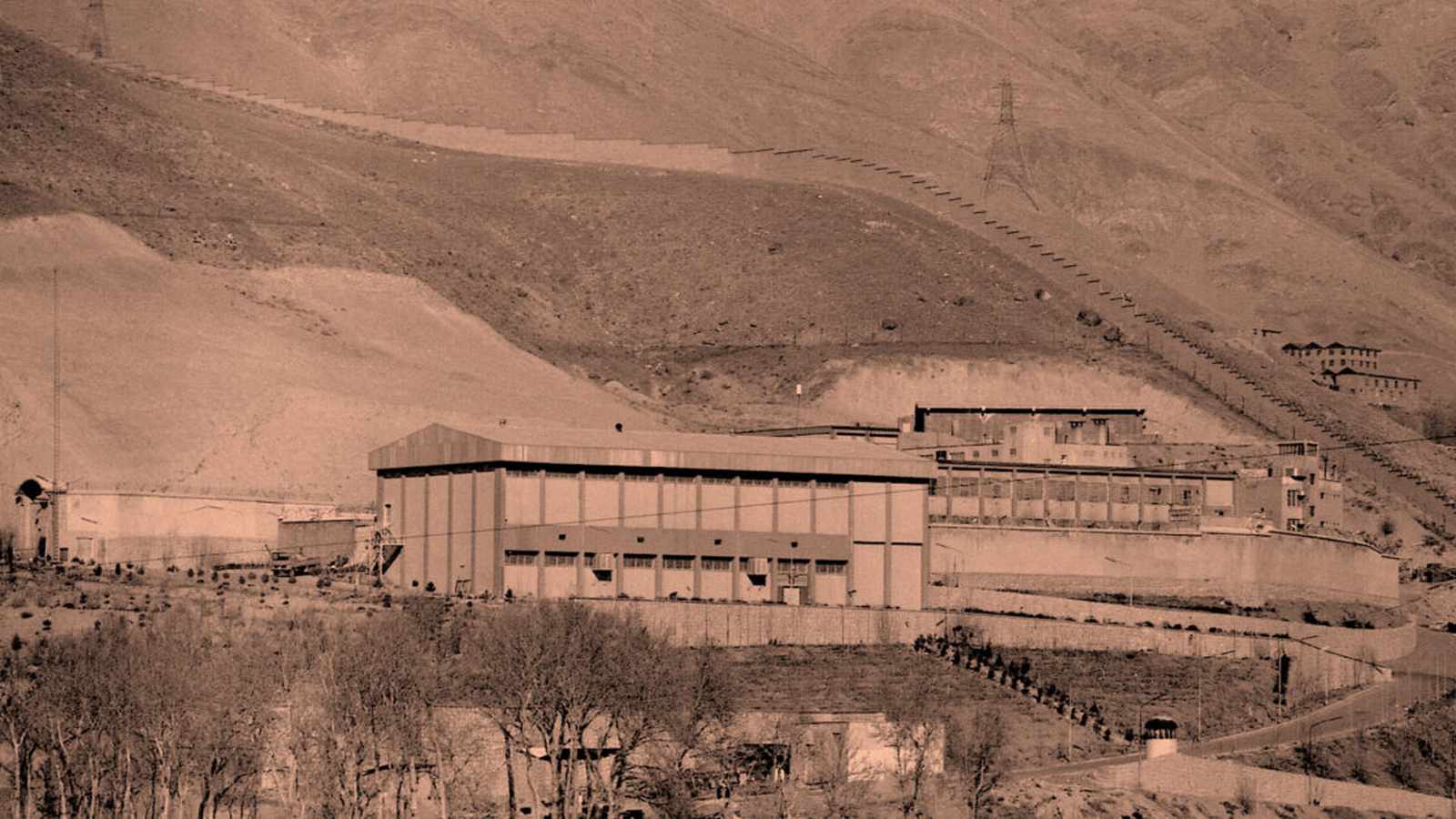
On October 15th, 2022, Evin Prison—a name synonymous with repression in Iran—erupted in flames. The fire lit up the night sky over Tehran, casting a grim shadow that stretched far beyond the prison’s walls. For those who watched from afar, the blaze was not just a physical disaster; it was a symbol of a country already ablaze with unrest.
Just a month earlier, the tragic death of Jina Mahsa Amini, a young Kurdish woman detained and fatally beaten by Iran’s morality police for not wearing her hijab according to government standards, had sent shockwaves through the nation. Her death was the spark that ignited the Woman, Life, Freedom movement—a wave of protests led by women, demanding autonomy over their bodies, their lives, and their futures. The movement, inspired by Kurdish liberation leader Abdullah Öcalan’s slogan, quickly became one of the most significant challenges to the Islamic Republic in its 46-year history.
From Grief to Defiance: The Birth of a Movement
In the days after Amini’s death, grief transformed into anger. And anger, in turn, became bold defiance. Iranian women took to the streets, tearing off their headscarves, chanting slogans, and dancing around bonfires—a striking image of resistance that captured the world’s attention. The regime’s response was swift and brutal. Security forces met protesters with batons and bullets, determined to silence the chorus of dissent.
Yet, the movement persevered. It was not just about clothing or personal freedoms; it was a rebellion against decades of attempts to control every aspect of life—how people dressed, what they ate and drank, whether they could sing or dance. The protests were an assertion of dignity and self-determination in the face of relentless state repression.
Evin Prison: The Heart of Darkness
Inside Evin Prison, thousands of activists, artists, and ordinary citizens who had dared to challenge the regime were locked away. The chants of “Death to the Dictator” echoed within its walls, mirroring the cries of the protesters outside. Evin has long stood as a monument to Iran’s determination to crush dissent. The notorious 1988 massacres, when thousands of political prisoners were executed, still haunt the memories of those who survived.
When the fire broke out, panic and uncertainty swept through families whose loved ones were inside. No journalists were permitted to enter the prison or report on the origins of the fire or the casualties. The world could only watch through shaky videos captured from nearby windows and rooftops—images of smoke billowing over the prison, Molotov cocktails thrown from distant hills, and the echo of gunfire piercing the night.
Personal Histories Intertwined with National Tragedy
For many Iranians, the events at Evin were deeply personal. In one account, a woman describes watching the fire from her Brooklyn apartment, clutching her phone as she searched for news. Her family’s history was intertwined with the prison’s legacy: her uncle was executed there during the 1988 massacres; her parents, once political prisoners themselves, narrowly escaped a similar fate. She was born within Evin’s walls, her mother handcuffed and chained to a bed, giving birth under the watchful eyes of the regime.
That night, as news trickled in of injured prisoners being transferred not to hospitals but to other detention centers, and streets blocked to prevent families from reaching their loved ones, fear and anguish became overwhelming. The specter of another massacre loomed large.
The Limits of Witness and the Power of Memory
With the government controlling the narrative and restricting access, the true extent of the damage and loss inside Evin remains unknown. The lack of reliable information has left families and activists in a state of limbo, relying on fragmented videos and hearsay. The absence of answers is itself a form of cruelty, echoing the regime’s longstanding strategy of silence and obfuscation.
Yet, even in the face of uncertainty, memory persists. The stories of those lost to Evin—the executed, the disappeared, the survivors—continue to shape the struggle for justice in Iran. The Woman, Life, Freedom movement is not only a call for change but a tribute to those who have suffered and resisted in the shadows.
Iran’s Future: Unwritten and Uncertain
The fire at Evin Prison has become part of the larger narrative of Iran’s fight for freedom. It is a reminder that the battle for dignity and self-determination is ongoing, and that hope survives even in the darkest corners. As Iranians continue to demand change, the world watches—and remembers.
In the aftermath of Evin’s fire and the Woman, Life, Freedom movement, Iran stands at a crossroads. The courage of those inside and outside the prison, who risk everything for a better future, remains a powerful force against repression. Their voices, echoing through the walls of Evin and across the streets of Tehran, challenge the world to bear witness and to never forget.