
Quick Read
- Lachlan Young pleaded guilty to murdering Hannah McGuire, his former girlfriend, in April 2024.
- Hannah had taken out intervention orders against Young and was separating from him at the time of her death.
- Young attempted to conceal the crime and mislead Hannah’s family through deceptive messages and money transfers.
- Fifteen emotional statements from family and friends were read in court, highlighting the profound grief caused by the crime.
- The trial exposed the lasting impact of intimate partner violence and the need for stronger support systems.
Family Grief Unfolds as Hannah McGuire’s Killer Faces Justice
On an unremarkable Monday in the Victorian Supreme Court, anguish and fury filled the air. The murder of Hannah McGuire, a vibrant 23-year-old from Sebastopol, was not just a headline—it was a wound that her family bared openly before her killer, Lachlan Young. What unfolded was more than a legal proceeding; it was an emotional reckoning for all involved.
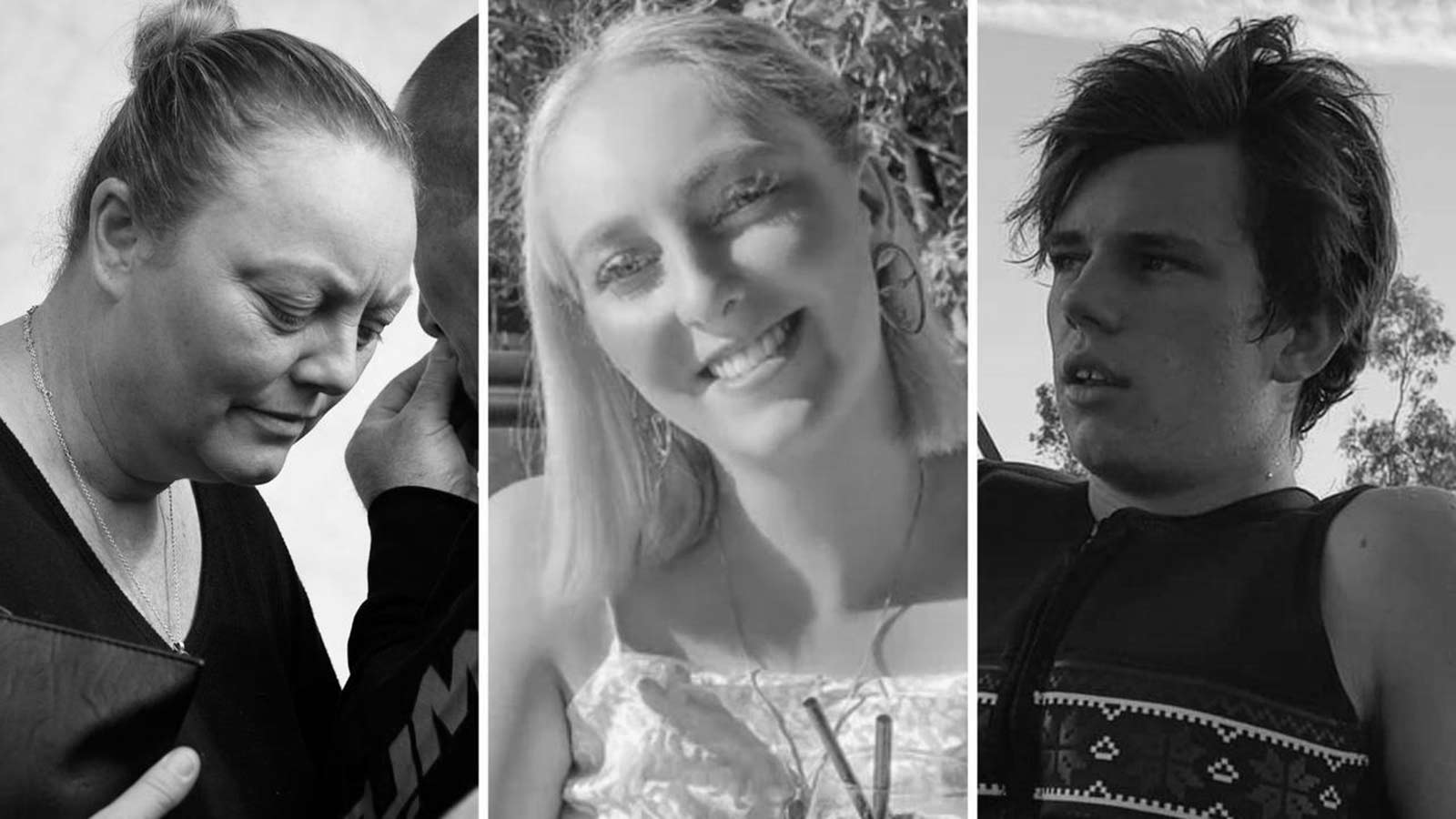
Debbie McGuire, Hannah’s mother, stood firm as she delivered a statement that cut through the courtroom’s silence. She locked eyes with Young, who refused to meet her gaze. “I hope every day for the rest of the accused’s life, he experiences the most intense pain imaginable,” she declared. The words hung heavy, echoing the rawness of her loss. “I will never forget and I will never forgive.” (The Guardian)
The Timeline of a Tragedy
The events leading to this day were harrowing. In the early hours of April 5, 2024, Young strangled Hannah in the bathroom of their shared home. The court heard that Hannah had previously taken out intervention orders against Young and was actively separating from him—a detail that underscored the risks faced by those trying to escape abusive relationships. After the murder, Young attempted to cover his tracks. He placed Hannah’s body in her Mitsubishi Triton, drove it to remote bushland, and set the vehicle on fire.
In a calculated move, Young used Hannah’s phone to send misleading messages to her mother, Debbie, suggesting Hannah was suicidal. He also transferred money—$2,000 to Debbie and $5,000 to himself—hoping to manipulate both emotions and suspicions. When Debbie arrived at Young’s home in a panic, he feigned ignorance, insisting he hadn’t seen her daughter.
Young’s deception unraveled quickly. Arrested on April 7, he initially denied any involvement, telling police he “would never fucking harm that girl.” But the evidence was overwhelming. Eight days into the trial, Young pleaded guilty, admitting to the murder and the lies that followed. The court, led by Justice James Elliott, heard from Crown Prosecutor Kristie Churchill about months of controlling and abusive behavior that preceded Hannah’s death. (The Guardian)
Raw Testimonies: Pain Beyond Words
As Young stood before the court, fifteen statements from Hannah’s family and friends painted a devastating portrait of loss. Glenn McGuire, Hannah’s father, expressed the ache of unfulfilled dreams. “I was supposed to be there to guide her and to support her to grow into the incredible woman she was becoming,” he said. Instead, he was forced to choose a coffin rather than a graduation or wedding dress.
Michelle Smith, Hannah’s aunt, broke down as she confronted Young. “He sat at our Christmas table and received gifts from us,” she recalled, her voice trembling. “I’m angry I treated him decently. I’m angry that because of him I will never spend another Christmas with Hannah, I will never be able to wish her another happy birthday.” The sense of betrayal was palpable, as family members grappled with the reality that someone they once welcomed into their home had shattered their lives.
The Moment That Stunned the Courtroom
According to coverage from the Herald Sun, a chilling comment from Young provoked shocked gasps in the public gallery. Though the precise words were not made public, the response underscored the depth of emotion in the room. The trial was not just a legal process but a crucible of grief, anger, and disbelief, where the boundaries between public and private pain dissolved.
Throughout the proceedings, Young’s barrister, Glenn Casement, prepared to plead on his behalf. Yet the atmosphere was thick with a sense that no argument could truly mitigate the consequences of his actions.
Beyond the Headlines: A Broader Crisis
Hannah’s story is a tragic example of intimate partner violence—a crisis that reverberates far beyond one family. Intervention orders, desperate attempts to escape, and the manipulation that follows are all too familiar to countless others. The court’s solemn environment reflected not just the gravity of a single crime, but the persistent dangers faced by those in abusive relationships.
Support services were highlighted in the aftermath, offering lifelines to those in crisis. Lifeline, the national family violence counseling service, and international helplines like Samaritans and the US suicide prevention lifeline, serve as vital resources. Yet, as Hannah’s family made clear, the journey to healing is long and often solitary.
Seeking Closure in the Shadow of Violence
For Hannah’s loved ones, justice is bittersweet. Debbie McGuire’s words—“Unlike the accused, Hannah mattered”—remind us that every life lost to violence leaves behind a legacy of suffering and unanswered questions. Glenn McGuire’s anguish speaks to a parent’s deepest fear: the inability to protect. Michelle Smith’s heartbreak is a testament to how violence ripples through entire communities.
As the trial concluded, the weight of grief was matched only by the resolve to remember Hannah not for the way her life ended, but for the joy and courage she brought to those around her.
Reflecting on the facts, this case stands as a painful illustration of how intimate partner violence can escalate despite legal protections and community awareness. The court’s proceedings, filled with raw emotion and testimony, highlight the urgent need for stronger support systems and early intervention to prevent such tragedies. Justice, in this instance, offers accountability—but it cannot erase the profound loss endured by Hannah’s family.