
Quick Read
- International Women’s Day 2026 is observed globally on March 8.
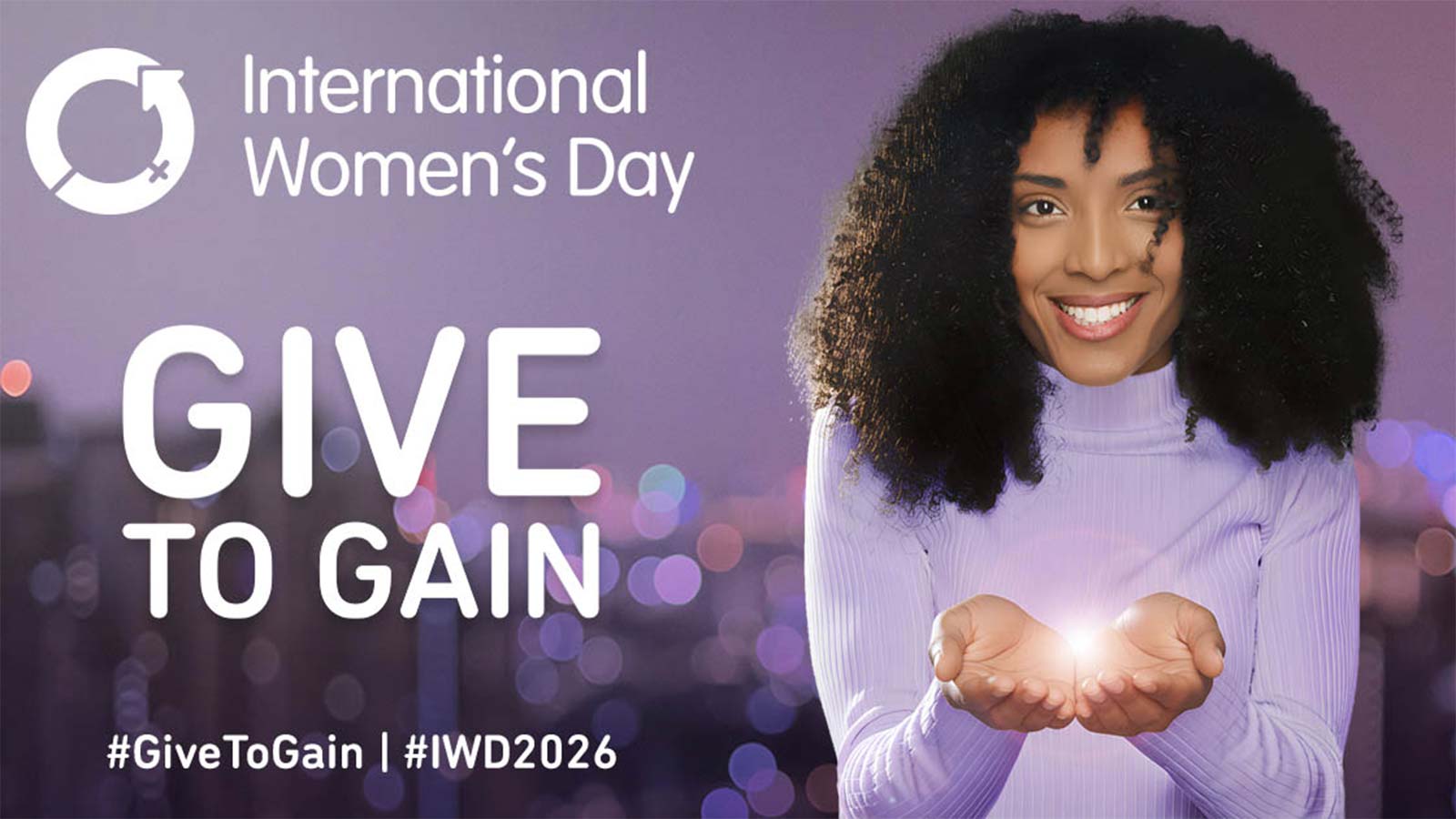
- The 2026 theme, ‘Give to gain,’ advocates for investing in women for collective societal progress.
- An international conference in Paris on February 21 focused on women’s leadership for a democratic Iran.
- The day traces its origins to early 20th-century labor movements and was recognized by the UN in 1975.
- IWD serves as a global call to action to accelerate gender equality and challenge systemic biases.
PARIS (Azat TV) – International Women’s Day 2026 will be observed globally on March 8, continuing its long-standing tradition as a pivotal moment for celebrating women’s achievements and galvanizing action towards gender equality. This year’s theme, ‘Give to gain,’ emphasizes the profound collective benefits derived when individuals, organizations, and societies actively invest in women’s opportunities, education, equal pay, and leadership roles. The observance is already being marked by significant events worldwide, including a major conference in Paris that underscored the critical role of women’s leadership in democratic change.
‘Give to Gain’ Theme and Global Significance
The 2026 theme, ‘Give to gain,’ serves as a compelling call to action, highlighting that genuine progress multiplies when societies prioritize and empower women. It encourages a proactive approach to equality, advocating for mentorship, advocacy, funding, and structural reforms that create equitable environments. As India TV News reported, the day’s purpose extends beyond mere appreciation, aiming to challenge biases, question outdated systems, and amplify women’s voices across all sectors. It acknowledges women’s resilience while simultaneously demanding structural changes that address the often-invisible balance of professional responsibilities and domestic labor.
International Women’s Day (IWD) on March 8 remains a fixed date globally, regardless of country or calendar. It is marked through diverse campaigns, discussions, community events, corporate initiatives, and policy conversations, reflecting a universal commitment to gender parity that is not considered automatic, but rather a continuous pursuit.
Women’s Leadership for a Free Iran
Preceding the official observance, an international conference titled ‘Women’s Leadership: An Imperative for a Free Iran and a Democratic Republic’ was hosted in Paris on February 21, 2026, by the Women’s Committee of the National Council of Resistance of Iran (NCRI). This event brought together prominent political leaders from around the world, including former heads of state and ministers, to discuss the vital importance of women’s political participation and leadership in establishing democratic societies. Members of the Iranian Resistance in Ashraf-3, Albania, also joined the conference via live video link, according to reports from WNCRI.org.
Keynote speaker Mrs. Maryam Rajavi, President-elect of the NCRI, stressed that the democratic alternative to religious fascism in Iran derives its legitimacy from its historic struggle and its steadfast commitment to women’s equal participation in political leadership. Speakers like Michèle Alliot-Marie, former French Minister, and Carla Sands, former United States Ambassador to Denmark, expressed solidarity with the men and women of Iran who are courageously rising against a regime described as among the most brutal in the world. They emphasized that Iranian women’s freedom would be achieved by ending the current misogynistic regime and establishing a free, secular, democratic republic, not through a return to past authoritarian rule.
The conference highlighted that gender discrimination in Iran, including restrictions on women in senior government positions and systemic discrimination in family law, remains a foundational pillar of the regime. Despite heavy repression, the National Council of Resistance of Iran was recognized for its vital role in advancing women’s leadership and expanding the resistance movement.
Historical Roots of International Women’s Day
The origins of International Women’s Day trace back to the early 20th century, emerging from robust labor movements across Europe and North America. Working women organized protests demanding fundamental rights such as fair wages, shorter working hours, and the right to vote. A pivotal moment occurred in 1910 when German activist Clara Zetkin proposed the idea of an international day dedicated to women’s rights at a conference in Copenhagen, a proposal that garnered widespread support.
The date March 8 gained symbolic significance in 1917 when women in Russia initiated a strike demanding ‘bread and peace’ amidst wartime shortages. The United Nations officially recognized March 8 as International Women’s Day in 1975, transforming it into a globally observed occasion rooted in the principles of recognition, reform, and representation.
Ongoing Pursuit of Gender Parity
As International Women’s Day 2026 approaches, it serves as an annual checkpoint, prompting reflection on progress made and the considerable distance still to cover towards achieving full gender parity. The global observance underscores that while achievements are celebrated, the core message remains a call to action for accelerating gender equality and ensuring women’s empowerment across all facets of society. The diverse range of events, from global themes to specific political advocacy, illustrates the dynamic and evolving nature of this crucial day.
The emphasis on ‘Give to gain’ for International Women’s Day 2026, coupled with events like the Paris conference focusing on women’s political leadership, signals a continued shift from mere recognition to active, targeted advocacy for structural change and human rights, particularly in regions where systemic gender discrimination persists.