
Quick Read
- iOS 26 will support iPhone XS and later models.
- Older models like iPhone X and 8 are excluded.
- Stay updated for optimal performance and security.
Apple’s iOS updates have always been pivotal for enhancing device performance, introducing cutting-edge features, and improving user security. With the anticipated release of iOS 26 in 2025, the tech giant has unveiled its compatibility list, determining which devices will benefit from the latest upgrade. Let’s break down what this means for iPhone users worldwide.
iPhones Compatible with iOS 26
According to Apple’s official documentation, iOS 26 will be compatible with the following iPhone models:
- iPhone XS (2018) and later, including the iPhone XS Max and XR.
- iPhone 11 series, launched in 2019.
- iPhone 12 series (2020), which introduced 5G support.
- iPhone 13 series (2021).
- iPhone 14 series (2022).
- iPhone 15 series (2023).
- All models released in 2024 and 2025.
These devices, equipped with A12 Bionic chips and later processors, have the computational power required to run the demanding features of iOS 26.
iPhones That Won’t Support iOS 26
While the compatibility list brings excitement to many users, it also signals the end of software support for several older models. The following iPhones will not receive the iOS 26 update:
- iPhone X, which debuted in 2017 with Face ID.
- iPhone 8 and 8 Plus, also launched in 2017.
- Any earlier iPhone models, such as the iPhone 7 and SE (1st generation).
Owners of these models will need to consider upgrading their devices to continue enjoying the latest features and security enhancements.
Why iOS 26 Compatibility Matters
Every new iOS release is more than a software update—it’s a commitment to keeping users at the forefront of technology. With iOS 26, Apple is expected to introduce several innovative features, including:
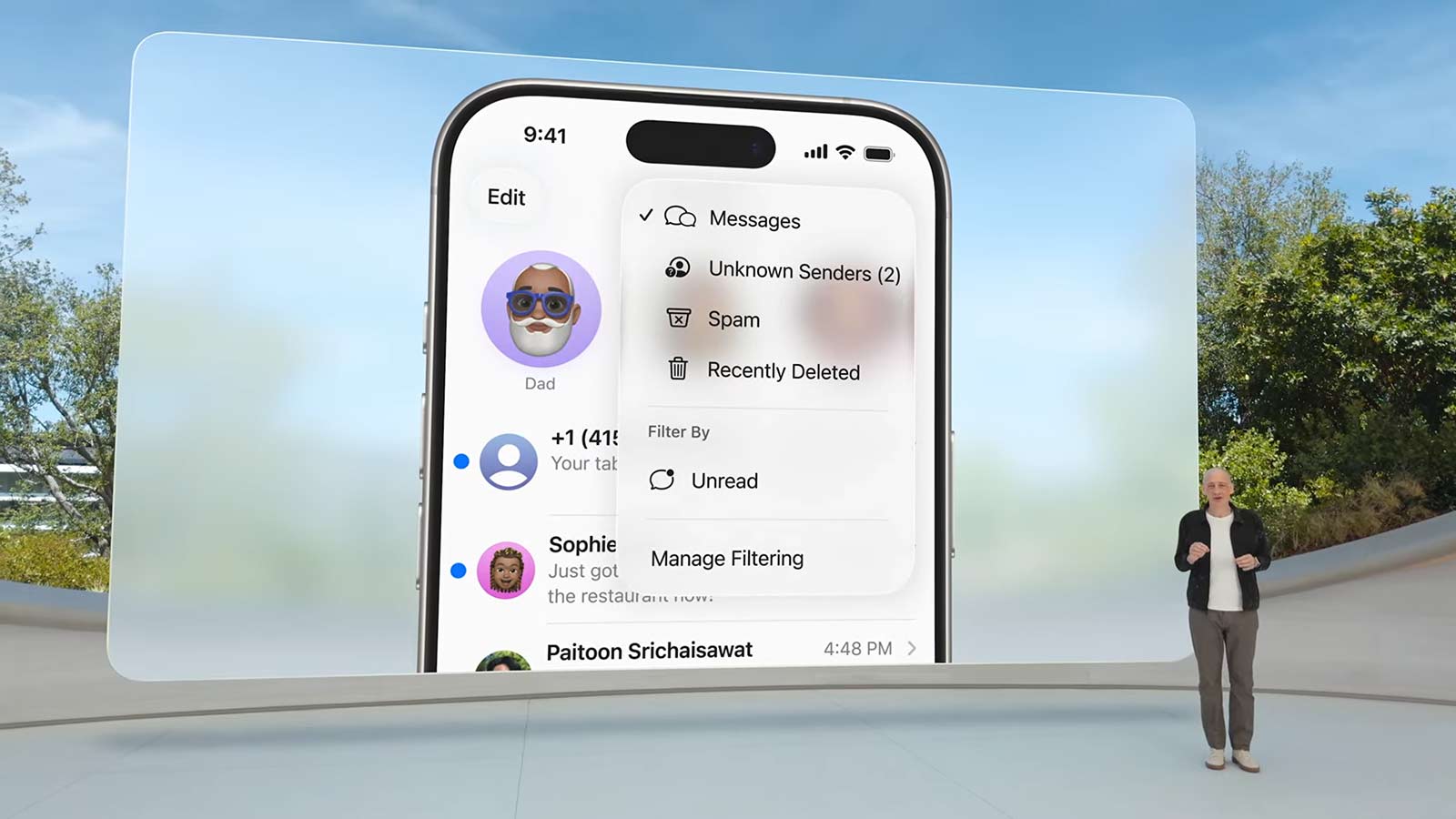
- Enhanced AI-powered functionalities for apps like Photos and Messages.
- Stronger privacy controls, ensuring user data remains secure.
- Expanded AR capabilities, integrating seamlessly with Apple’s Vision Pro headset.
However, these advancements demand significant processing power and memory capacity, which older devices may lack. Apple’s decision to limit compatibility is rooted in ensuring optimal performance and user experience.
What to Do if Your iPhone Isn’t Compatible
If your device is not on the compatibility list, here are your options:
- Continue using your current iOS version: Apple typically supports older versions with occasional security patches.
- Consider upgrading: Investing in a newer iPhone model ensures access to the latest software and hardware capabilities.
- Explore trade-in programs: Apple and other retailers often offer trade-in deals, making it more affordable to upgrade.
Staying on an unsupported device can leave users vulnerable to security threats and unable to access new app functionalities, making an upgrade a worthwhile consideration.
Release Timeline for iOS 26
Apple’s software updates typically follow a predictable timeline:
- June 2025: Announcement at the annual Worldwide Developers Conference (WWDC), accompanied by a developer beta release.
- July–August 2025: Public beta testing, allowing users to explore new features and provide feedback.
- September 2025: Official launch alongside new iPhone models.
Mark your calendars to stay ahead of the curve!
As technology evolves, Apple continues to prioritize innovation and user satisfaction. Ensuring compatibility with iOS 26 highlights the importance of staying updated to enjoy the best of what your iPhone has to offer.