
Quick Read
- The iPhone 17 Pro Max leads in battery performance, lasting 17 hours and 54 minutes in tests.
- The iPhone Air offers a sleek design but underperforms in battery longevity.
- Apple’s A19 Pro chip and vapor chamber cooling enhance the Pro Max’s efficiency.
- Real-world usage highlights the Pro Max’s suitability for heavy users, while the Air is better for light use.
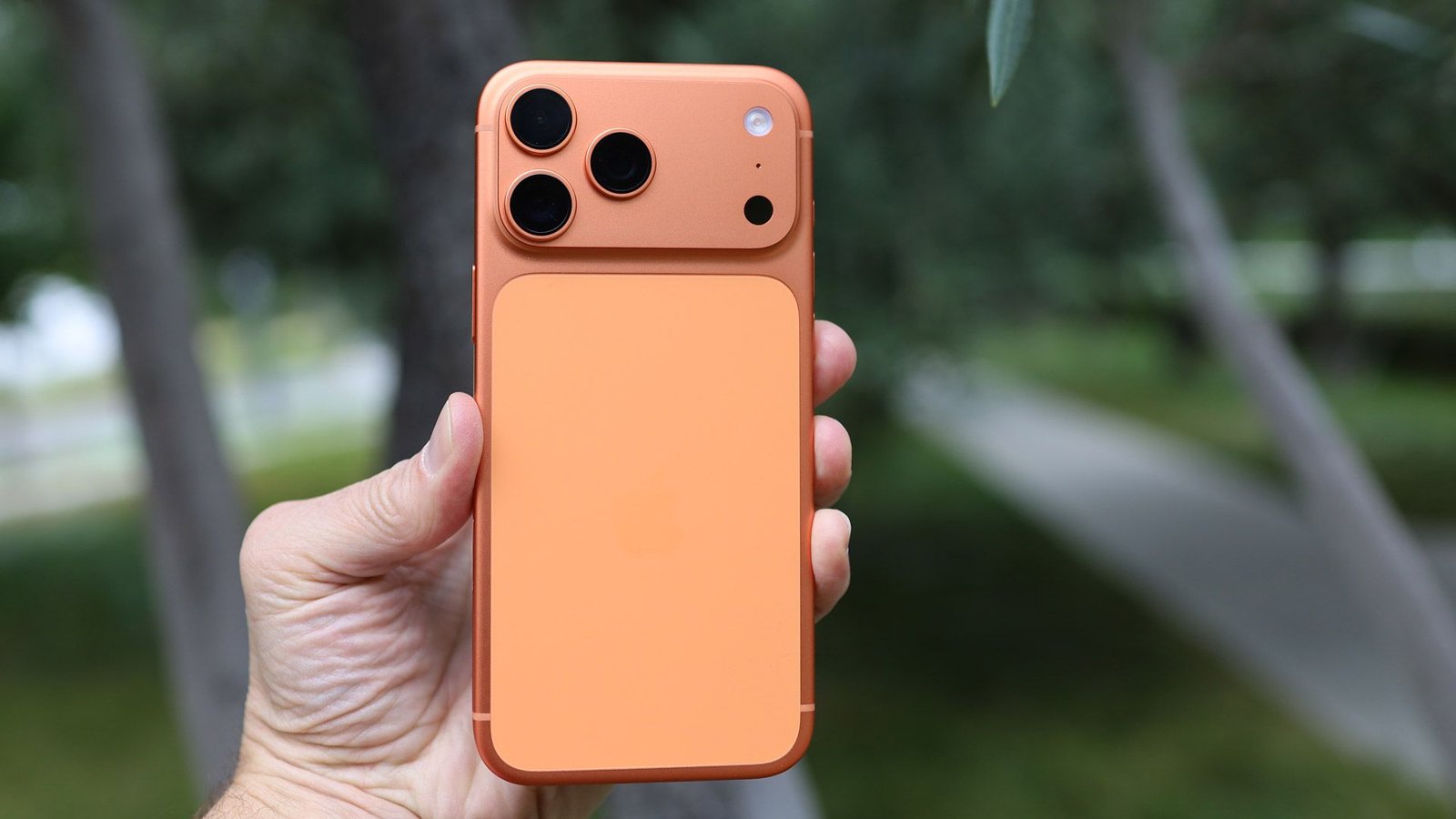
The iPhone 17 series has made waves in the tech world, not just for its revamped design and cutting-edge features, but also for its performance in battery life—a critical factor for many users. Within the lineup, the iPhone 17 Pro Max emerges as a standout performer, setting new benchmarks for longevity. However, the iPhone Air, with its sleek design and lightweight appeal, has drawn criticism for its comparatively weaker battery performance. This article delves into the battery capabilities of these two devices, exploring the factors behind their differences and what users can expect in real-world usage.
The Battery King: iPhone 17 Pro Max
The iPhone 17 Pro Max has been lauded as a leader in battery performance, surpassing not only its predecessors but also many of its competitors. Equipped with a 5,088mAh battery and powered by Apple’s efficient A19 Pro chip, the Pro Max delivers an impressive 17 hours and 54 minutes of web browsing on 5G with screens set to 150 nits of brightness. This positions it as one of the longest-lasting smartphones in its class, second only to the OnePlus 13, which boasts a 6,000mAh battery.
Compared to the previous iPhone 16 Pro Max, which clocked in at 17 hours and 17 minutes, the 17 Pro Max showcases incremental yet significant improvements in battery life. It also outperforms key competitors like the Samsung Galaxy S25 Ultra (17 hours and 14 minutes) and the Google Pixel 10 Pro XL (14 hours and 20 minutes). The combination of a larger battery, refined power efficiency, and advanced cooling mechanisms makes the iPhone 17 Pro Max a reliable choice for heavy users who prioritize longevity.
iPhone Air: A Lightweight Contender with Compromises
While the iPhone Air is celebrated for its ultra-thin design and portability, its battery life has been a point of contention. In the same 5G web browsing test, the Air fell short, failing to match the performance of even the standard iPhone 17 model. This shortfall can be attributed to its smaller battery capacity and the compromises made to achieve its slim profile.
The iPhone Air’s battery performance is further overshadowed by its price point. Despite being marketed as a premium device, it struggles to compete with similarly priced models from other brands. Users seeking a balance between aesthetics and functionality may find the Air lacking in the latter, particularly in scenarios requiring prolonged usage without access to charging.
Core Innovations Driving Battery Performance
Several key innovations contribute to the iPhone 17 Pro Max’s superior battery life. The inclusion of the A19 Pro chip, coupled with a vapor chamber cooling system, ensures optimal thermal management. This allows the device to maintain peak performance without overheating, a common issue in high-performance smartphones.
Additionally, Apple’s proprietary software optimizations play a significant role. Features like intelligent power management and adaptive refresh rates help conserve energy during less demanding tasks. These enhancements, combined with a larger battery, make the Pro Max a powerhouse for users who demand both performance and endurance.
On the other hand, the iPhone Air’s design choices reflect a different set of priorities. The focus on achieving a lightweight and compact form factor has led to compromises in battery capacity. While this may appeal to users who value portability, it limits the device’s appeal for those who require extended battery life.
Real-World Usage and User Expectations
In real-world scenarios, the iPhone 17 Pro Max delivers consistent performance, lasting through a full day of heavy usage with ease. Whether streaming videos, gaming, or navigating with GPS, users can rely on the Pro Max to keep up without frequent recharges. Its fast-charging capabilities further enhance its practicality, reaching 70% charge in just 30 minutes with a 40W adapter.
Conversely, the iPhone Air struggles to meet the demands of power users. While adequate for light to moderate use, it requires more frequent charging, which may inconvenience users who are constantly on the move. This disparity highlights the importance of aligning device choice with individual usage patterns and priorities.
Conclusion: Choosing the Right Device
The iPhone 17 series offers a range of options to cater to diverse user needs. While the iPhone 17 Pro Max stands out as a leader in battery performance, the iPhone Air appeals to those who prioritize design and portability. Understanding the trade-offs between these models is essential for making an informed decision. For users seeking unparalleled battery life, the Pro Max is the clear choice, while the Air may suit those who value aesthetics over endurance.