
Quick Read
- iPhone 18 Pro Max expected to launch September 2026 with under-screen Face ID, ending the Dynamic Island.
- Main camera will feature a 48 MP sensor with variable aperture for manual light control.
- Battery capacity increases, making it Apple’s heaviest phone to date.
- A20 Pro chip on 2nm process brings higher performance and better efficiency.
- Storage options up to 2TB; Apple’s own C2 modem may replace Qualcomm hardware.
Apple’s 2026 Flagship: What the iPhone 18 Pro Max Is Really Bringing
Every year, Apple’s iPhone launches are surrounded by a swirl of speculation, leaks, and anticipation. But 2026’s iPhone 18 Pro Max isn’t just another incremental upgrade—it’s shaping up to be the most significant overhaul in years. If you’re wondering what’s truly new, what’s simply refined, and what could change the way you interact with your phone, the answer is: quite a lot.
Under-Screen Face ID: The End of the Dynamic Island
For three years, Apple’s Dynamic Island has been the visual centerpiece of its Pro models, cleverly blending notifications and camera hardware into a pill-shaped cutout. But according to PhoneArena and Macworld, the iPhone 18 Pro Max will shift to an under-display Face ID system. This means the biometric sensors—previously occupying precious screen real estate—will be hidden beneath the display, leaving only a tiny punch-hole for the front camera. The camera itself is rumored to move to the upper-left corner, a radical departure from the traditional center alignment.
What’s the impact? Visually, users could see a cleaner, uninterrupted screen—an aesthetic leap forward. Functionally, the removal of Dynamic Island raises questions about how Apple will reimagine its software features. Will interactive notifications float to new locations, or will they fade away? Apple is likely to provide answers in its September 2026 launch event.
Variable Aperture Camera: A Leap in Creative Control
Camera upgrades are at the heart of every Pro Max release, but the iPhone 18 Pro Max’s rumored variable aperture is a genuine first for Apple. Drawing on supply chain leaks cited by MacRumors and Digital Trends, the main rear camera will be a 48 MP sensor with a mechanical iris. This means users can physically adjust how much light enters the lens, toggling between settings for low-light and bright scenes. Samsung pioneered this in its Galaxy S9, but Apple’s implementation promises more manual control and creative flexibility.
Why does this matter? Photography enthusiasts will finally have the ability to fine-tune depth of field and exposure without relying solely on software tricks. In practice, portraits could pop with creamy backgrounds, while landscapes stay razor-sharp under harsh sunlight. For video creators and professionals shooting in ProRes RAW, the new sensor should mean less noise and richer color data.
Bigger Battery, Heavier Device: Power Meets Practicality
If there’s one complaint that echoes across iPhone forums every year, it’s battery life. Apple seems poised to address this head-on with the iPhone 18 Pro Max. Early reports from PhoneArena say the device will pack a larger battery than any previous iPhone, likely pushing its weight beyond 240 grams. That’s not a small change; it’s a sign that Apple is prioritizing endurance over slimness.
For power users—think those who shoot 4K video, game for hours, or rely on AI-driven apps—the extra heft translates to more screen-on time and fewer frantic searches for a charger. Yes, it may be Apple’s heaviest phone yet, but for many, the tradeoff is worth it.
Display Technology: LTPO+ Panels for Smoother, Greener Experience
Both the iPhone 18 Pro and Pro Max are expected to feature new LTPO+ displays. What’s the big deal? These panels support higher refresh rates (think 120Hz and beyond) while consuming less power, according to PhoneArena. The result: faster animations, more fluid scrolling, and longer battery life. It’s a subtle upgrade, but one that users will feel every time they swipe or play games.
Processor and Storage: A20 Pro Chip and Up to 2TB Capacity
Apple’s silicon has been a key differentiator, and this year’s leap is substantial. The iPhone 18 Pro Max will debut the A20 Pro chip, manufactured on TSMC’s cutting-edge 2nm process. MacRumors reports this chip will integrate RAM directly onto the processor wafer, shrinking its footprint and freeing up internal space. The A20 Pro promises a 15% boost in raw performance, with 30% less power draw compared to last year’s A19. Expect less heat, snappier multitasking, and improved AI capabilities.
Storage options will start at 256 GB and soar to 2 TB, a nod to creators and professionals. With AI-driven features and ever-expanding photo and video libraries, this massive capacity is no longer a luxury—it’s increasingly a necessity.
Design Tweaks: Seamless Back, Refined Controls
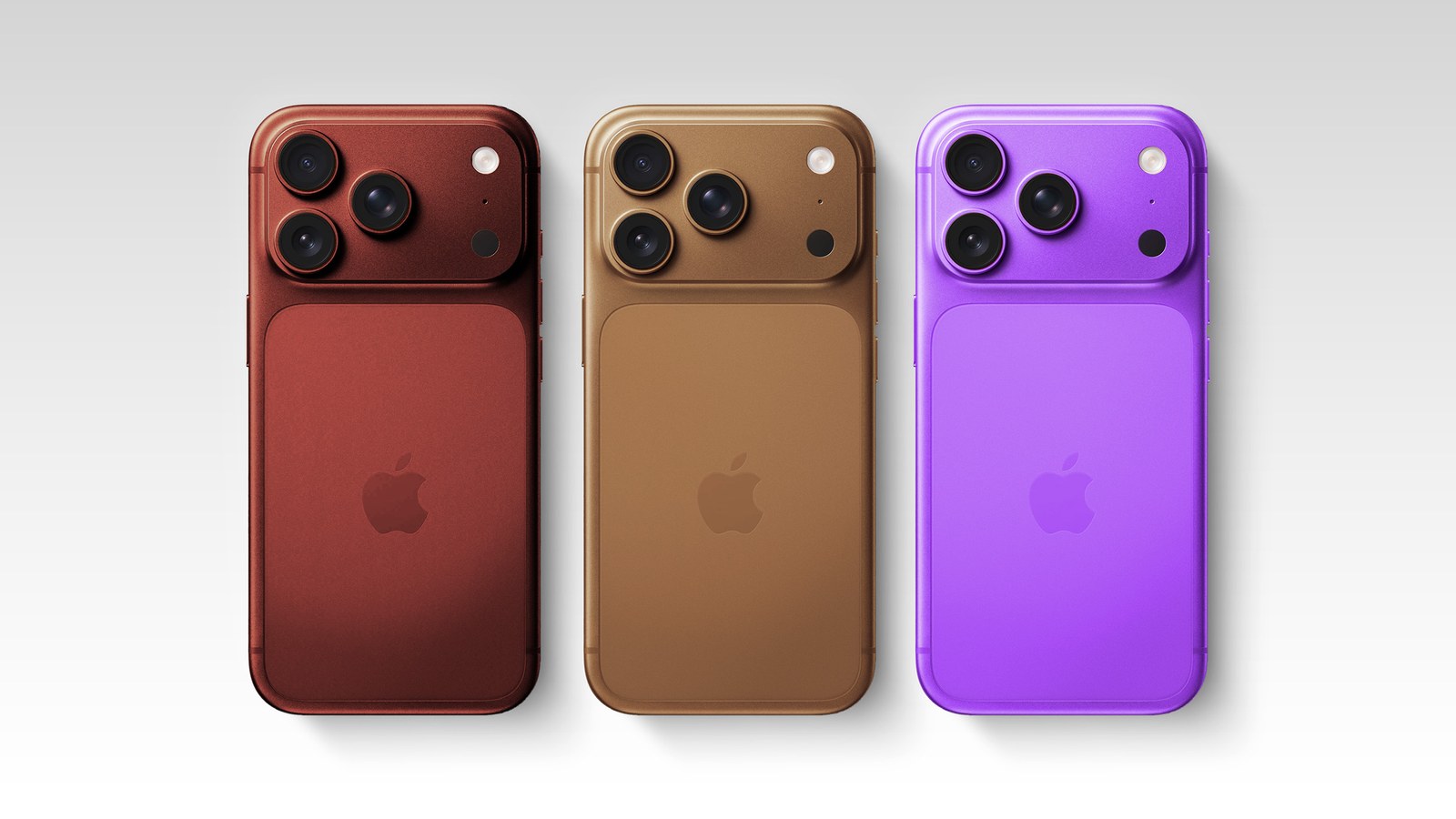
Apple is addressing subtle but persistent complaints about design coherence. The iPhone 18 Pro Max’s rear glass, used for wireless charging, will better match the aluminum frame for a more unified look, as noted by PhoneArena. Earlier rumors of a transparent back have faded; instead, Apple is focusing on a cleaner, more polished aesthetic.
The Camera Control button is also reportedly getting a redesign. Gone are touch sensitivity and haptic feedback—pressure-based input will remain, minimizing accidental activation and improving reliability.
Connectivity: Apple’s Own Modem Steps In
Apple’s long-term goal has been to control more of its hardware stack. With the iPhone 18 Pro Max, the company may finally ditch Qualcomm’s modem in favor of its own in-house C2 chipset. This could mean tighter integration, faster updates, and potentially better performance as Apple continues to optimize its network capabilities.
Release Date and Market Impact
All signs point to a September 2026 launch for the iPhone 18 Pro and Pro Max, with standard models possibly delayed until spring 2027—a notable shift from Apple’s typical schedule (Macworld). The timing sets the stage for a major refresh not just in hardware, but in how users perceive and interact with their phones.
Looking Ahead: The iPhone’s Place in a Rapidly Changing Market
With Samsung reportedly planning to reintroduce variable aperture cameras (Digital Trends), Apple’s move isn’t just about innovation—it’s about staying competitive in a landscape where photography, battery life, and display technology are top priorities. The iPhone 18 Pro Max may not radically alter the device’s silhouette, but it’s a statement of intent: Apple is betting on practical upgrades that real users will notice, not just flashy gimmicks.
Apple’s 2026 flagship is more than a collection of specs—it’s a sign the company is listening to the persistent demands of its users. Under-screen Face ID, a variable aperture camera, and a bigger battery point to a future where hardware isn’t just elegant, but genuinely empowering. While competitors race to match individual features, Apple’s focus on coherence and practical innovation may keep it ahead in the race for smartphone relevance.