
Quick Read
- Apple’s iPhone Air launched in September 2025 as the company’s thinnest phone ever.
- Sales of the iPhone Air have been disappointing, with users citing battery and camera compromises.
- Motorola and Samsung are also releasing ultra-thin phones, but face similar market resistance.
- Major carriers offer significant discounts and trade-in deals on the iPhone Air.
- Rumors suggest the iPhone Air 2 may arrive in 2026 with improved features and lower price.
The iPhone Air, Apple’s thinnest and most lightweight phone ever, made a bold entrance into the smartphone market in September 2025. With a profile of just 5.6 millimeters and a weight of 165 grams, it’s a technical marvel: a device engineered to fit almost invisibly in your pocket, yet still packed with flagship hardware. But in the fast-moving world of mobile technology, thinness is only part of the story.
Apple’s gamble on ultra-slim design comes at a premium. The iPhone Air starts at $999, making it one of the pricier options in its lineup, especially for a phone that, by necessity, forgoes some features to maintain its elegant profile. The market’s response? Tepid, at best. According to PhoneArena and ETeknix, sales have disappointed, and Apple’s experiment with thinness is facing real-world resistance from users who don’t want to compromise on battery life or camera power.
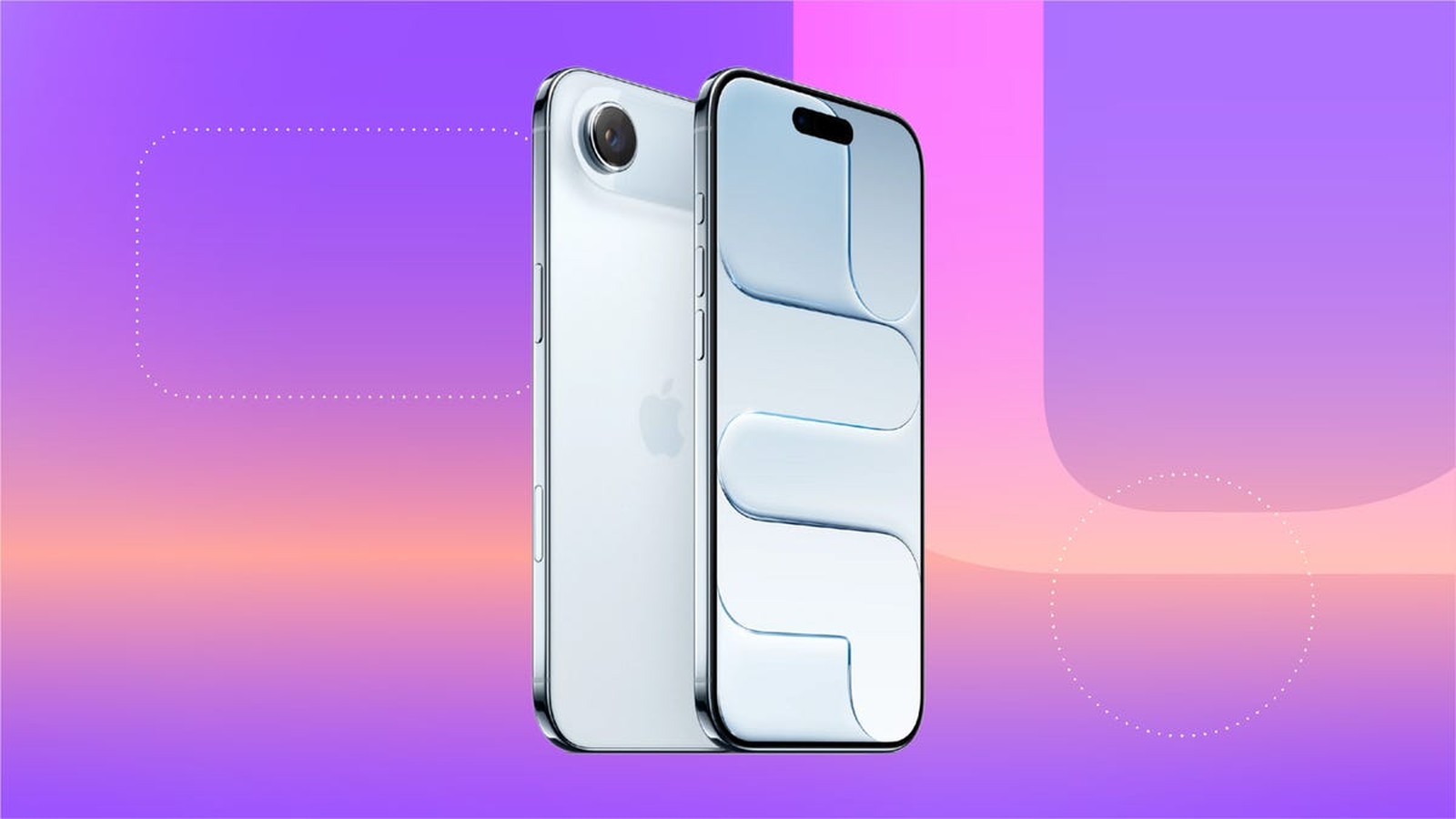
So what does the iPhone Air actually offer? Its 6.5-inch OLED ProMotion display dazzles with a 120Hz refresh rate and up to 3,000 nits of brightness. The scratch-resistant Ceramic Shield 2 coating and titanium frame speak to durability, while the powerful A19 Pro chip and Apple’s C1 5G modem ensure top-tier performance. Storage options range from 256 GB up to a whopping 1 TB, and its single 48-megapixel main camera aims to deliver simplicity and clarity. Available in space black, cloud white, light gold, and sky blue, the Air makes a visual statement as well.
Yet, for all its engineering feats, the iPhone Air’s slim form factor has trade-offs. The battery is smaller than in Apple’s other flagship models, and the lack of a secondary camera means users miss out on advanced photography features. As ETeknix notes, these compromises may have contributed to sluggish sales, with many analysts viewing the Air as a test bed for future foldable or experimental devices rather than a true mass-market hit.
Apple hasn’t given up on the Air concept. Rumors now suggest that the iPhone Air 2 could arrive in September 2026, contradicting earlier reports that Apple had postponed the next update to 2027 due to design challenges. Leaks indicate that the next Air model may add a second camera and—crucially—come at a lower price point. Still, the question remains: can Apple convince users to embrace thinness at the cost of battery and camera performance?
Meanwhile, competitors are circling. Motorola is preparing to launch its Moto X70 Air Pro, a direct challenger to the iPhone Air, with a focus on speed and battery life. The new device is rumored to feature a Snapdragon 7+ Gen 5 chipset and blazing-fast 90W wired charging—outpacing the Air’s capabilities by a considerable margin. Motorola’s strategy is clear: offer slimness without the compromises, and, above all, set a reasonable price. If they succeed, it could spell trouble for Apple’s thin phone ambitions.
Samsung, too, has struggled. The Galaxy S25 Edge, another ultra-thin phone, flopped in sales so badly that rumors suggest Samsung may have canceled its successor, the S26 Edge, altogether. The market’s message to manufacturers seems clear: thin is attractive, but not at any cost.
For consumers interested in the iPhone Air, there are plenty of deals to sweeten the high price tag. Major carriers like AT&T, Verizon, and T-Mobile are offering significant trade-in credits—sometimes enough to get the phone for free if you’re adding a line or switching carriers. Best Buy sweetens the pot with bundled Apple services and free AirPods 4. And for those on a tight budget, Boost Mobile’s Infinite Access plan can drop the monthly cost to under $5, provided you sign up for their $65 plan.
Looking ahead, the fate of the iPhone Air—and ultra-slim phones in general—hangs in the balance. If Apple’s rumored Air 2 delivers on price and performance, it could reignite interest in this niche. But for now, the lesson is clear: users value battery life, robust cameras, and practical features more than a few millimeters shaved from their device.
Apple’s iPhone Air is a showcase for the company’s technical prowess, but market realities have forced a rethink of what users truly want. As Motorola and other rivals prepare their own slim devices, the coming year will reveal whether thinness can ever be more than a fleeting trend in mobile design. The future of ultra-thin smartphones will depend on whether manufacturers can balance style with substance—and convince buyers that compromise is worth the price.
Sources: CNET, PhoneArena, ETeknix