
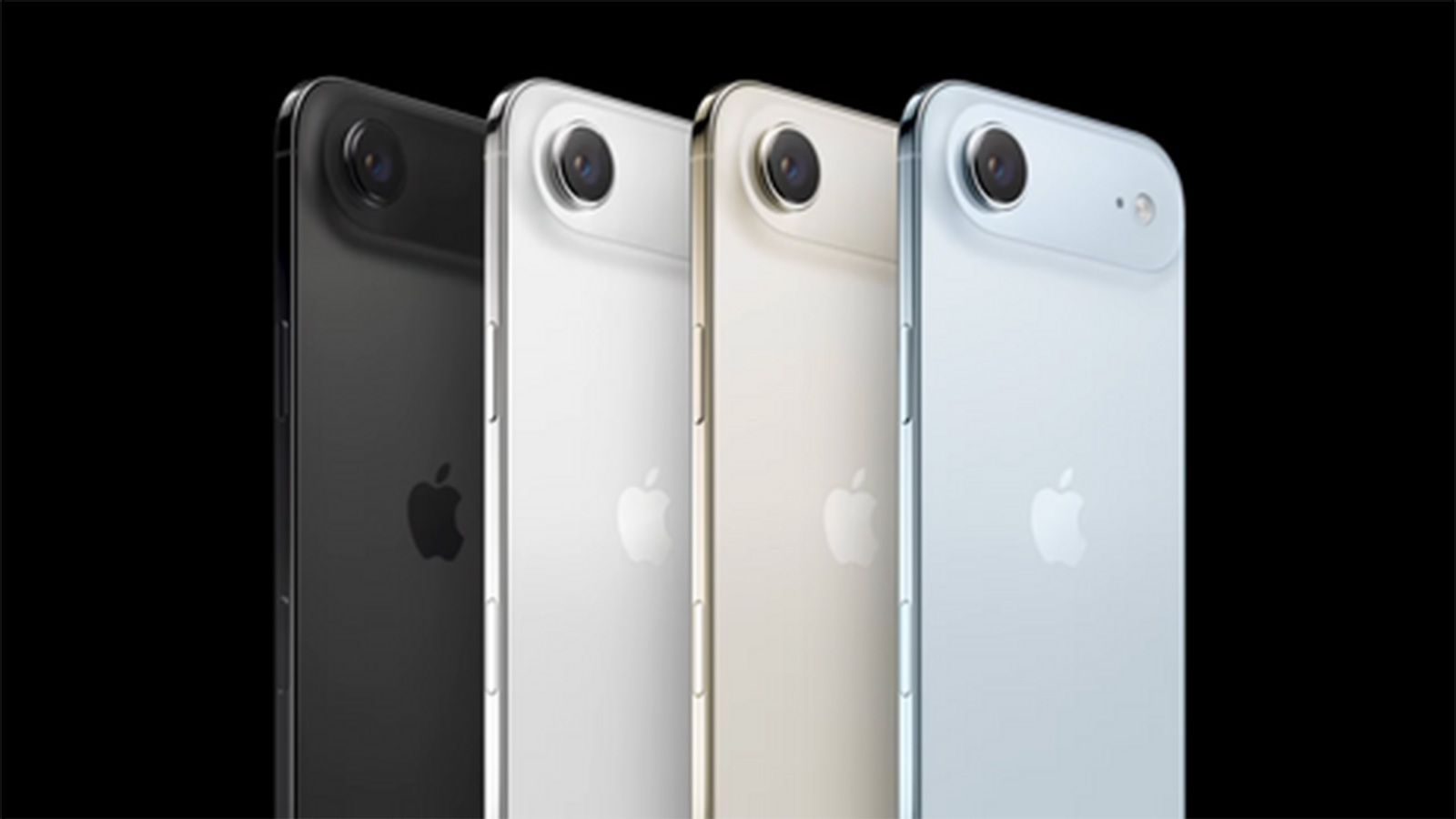
Quick Read
- Apple’s iPhone Air was marketed as its thinnest phone ever in 2025.
- The device suffered from lackluster sales and muted consumer interest.
- Competitors like Motorola and Fairphone outshone Apple with playful, customizable, and sustainable designs.
- Advances in battery tech elsewhere made Air’s trade-offs less attractive.
- No confirmed information exists about future iPhone Air models.
In the world of smartphones, thinner often means better—at least, that’s the narrative tech giants have pushed for years. Apple’s iPhone Air was supposed to be the latest embodiment of this philosophy: a device so slim and light that it would redefine what a premium phone could feel like in your hand. But as 2025 draws to a close, the story of iPhone Air is less about groundbreaking achievement and more about unmet expectations.
Let’s rewind to the start of the year. The smartphone market was buzzing with unconventional launches. The Nothing Phone (3a) made headlines for its quirky design and customizable backplates, while Motorola’s Razr folding phones turned heads with vegan leather and even wood finishes. Meanwhile, Apple’s iPhone Air entered the scene, promising elegance through minimalism, but quickly found itself overshadowed by competitors that dared to be bold and, frankly, a little weird.
The core challenge for iPhone Air was twofold. First, the broader smartphone market had become saturated with devices that not only performed well but also offered playful, tactile experiences. Consumers were gravitating toward phones that felt personal—ones you could tweak, fold, or accessorize. In contrast, iPhone Air’s main selling point was its thinness. But as Wired reported, “Apple has been weathering lackluster sales of the Air.” The reason? Thinner, it turns out, doesn’t always mean more desirable.
Battery life is another piece of the puzzle. While Apple did improve battery capacities in its flagship iPhone 17 Pro models, the Air stuck with more traditional battery tech, missing out on the silicon-carbon innovations that powered competitors like OnePlus and Honor. These rivals managed to squeeze massive batteries into slender frames, boasting 7,300 and 7,400 mAh units that outperformed the Air—not just on longevity, but also on weight and comfort. The iPhone Air remained heavy for its size, making the trade-off less appealing.
Design, too, played a surprising role. In an era where Motorola offered Alcantara-textured Razrs and Fairphone championed sustainability with fully repairable builds, Apple’s pursuit of thinness started to feel, well, a little flat. The market’s appetite had shifted: people wanted devices that were fun to touch, easy to repair, and maybe even a little eccentric. Apple’s minimalist approach, once celebrated, now seemed like an answer to a question nobody was asking.
There were rumors throughout the year that Apple might pull the plug on future Air models. While nothing has been confirmed, the lack of significant sales momentum and tepid reviews point to a strategic re-evaluation. In fact, as Wired noted, Samsung reportedly canceled plans for its own ultra-thin successor, signaling that the industry as a whole may be cooling on the concept.
So where does this leave Apple, and the iPhone Air? The company has always thrived on pushing boundaries, but the Air’s story is a reminder that not every innovation finds its audience. Sometimes, the best tech isn’t the thinnest or flashiest—it’s the one that quietly works, blending into your daily routine and making life easier, as users have found with Apple TV or the M1 iMac, according to AppleInsider. The iPhone Air, for all its engineering prowess, failed to deliver that seamless experience.
Looking ahead, there’s reason to believe Apple will pivot. The enthusiasm for folding phones, customizable exteriors, and sustainable designs suggests the next big wave won’t be about shaving off millimeters, but about creating devices that reflect users’ personalities and values. As phone makers like Samsung prepare to launch the Galaxy Z TriFold—a device that morphs from phone to mini tablet—the message is clear: people want more than just thinness. They want flexibility, individuality, and fun.
The iPhone Air’s journey in 2025 is a case study in how quickly consumer tastes can change. What was once a major selling point is now a footnote. And as the industry moves forward, Apple will need to balance its legacy of clean design with the growing demand for playful innovation and practical features.
In summary, the iPhone Air’s lackluster impact in 2025 was not due to technical shortcomings, but rather a misreading of what consumers now value: personality, repairability, and battery life over sheer thinness. Apple’s next move may well define whether it can recapture its status as the arbiter of smartphone desire—or if it’ll need to learn from the whimsical, tactile trends now shaping the market.