
Quick Read
- Apple is reportedly preparing to launch the ultra-thin iPhone 17 Air in September 2025.
- The device may abandon physical SIM slots, relying entirely on eSIM technology.
- This shift could impact users in regions like Europe, where physical SIMs remain widely used.
- The iPhone 17 Air aims to be Apple’s sleekest phone yet, at just 5.5mm thick.
- The design compromises may include reduced battery size and a simplified camera system.
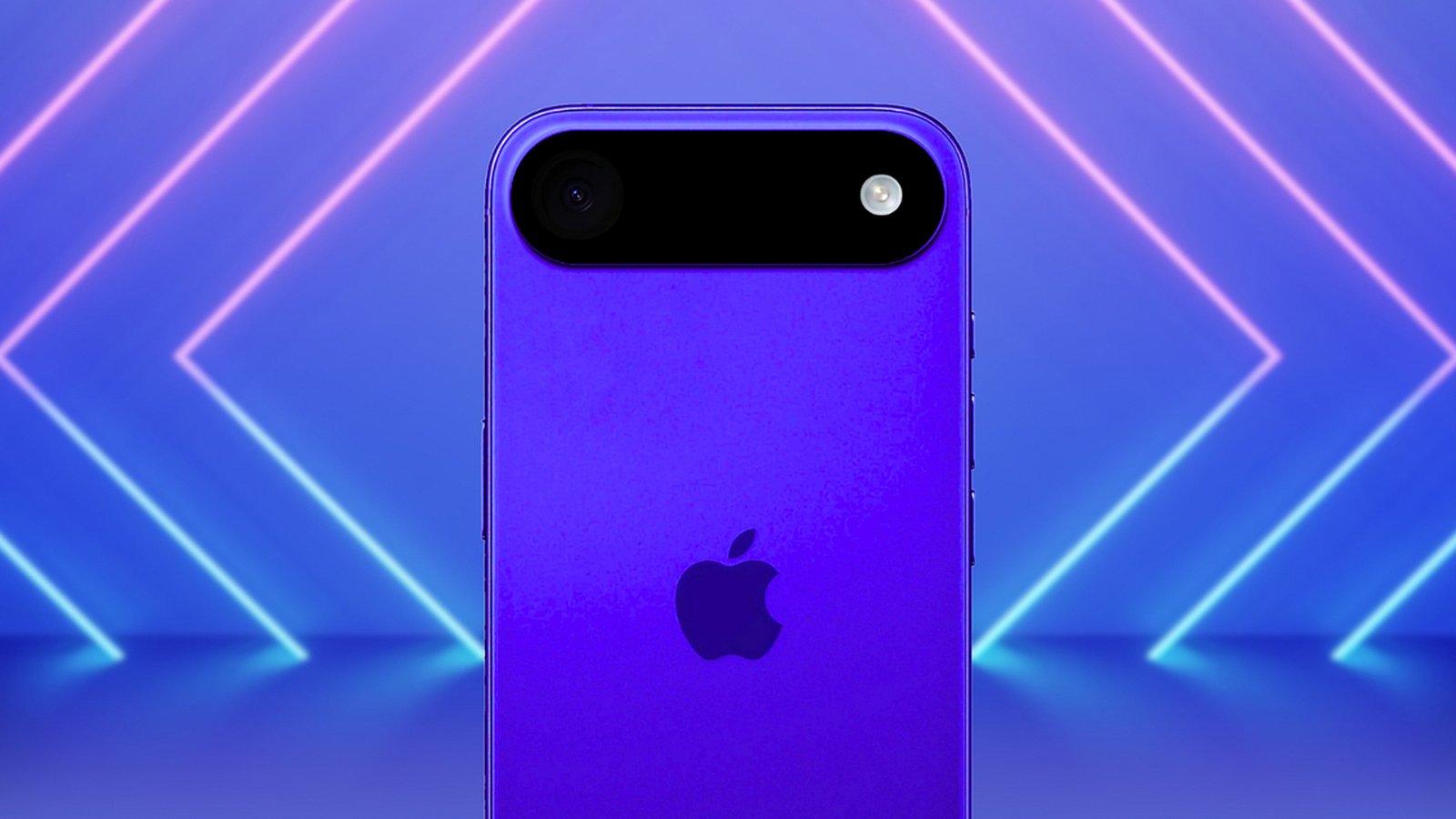
Apple’s next big innovation may come with a significant compromise. Reports suggest that the upcoming iPhone 17 Air, expected to launch in September 2025, will be Apple’s thinnest smartphone to date, measuring a mere 5.5mm. However, this radical redesign could spell the end of the physical SIM card slot, making eSIM the sole connectivity option.
An ultra-thin iPhone: The design vision
Apple’s pursuit of a sleeker, lighter iPhone has been a long-standing goal, and the iPhone 17 Air appears to embody this ambition. According to leaks cited by Evilgeek, the device will feature a profile as thin as 5.5mm, making it significantly slimmer than the current iPhone 16 models, which measure approximately 8mm. Inspired by the ultra-thin M4 iPad Pro, Apple aims to integrate cutting-edge design elements like thinner batteries, streamlined camera modules, and compact internal components.
Reports from BGR highlight that this design is part of Apple’s broader strategy to modernize its product lineup. The iPhone 17 Air is expected to serve as a testing ground for future foldable devices, including a rumored foldable iPhone slated for release by 2026.
The shift to eSIM: What it means for users
While the ultra-thin design is undoubtedly a technical marvel, the potential elimination of the physical SIM slot raises concerns, particularly in markets like Europe. Apple first introduced eSIM-only models in the U.S. with the iPhone 14 series in 2022, but international versions have retained physical SIM slots until now. According to Evilgeek, the iPhone 17 Air could mark the end of this era globally.
eSIM technology offers several advantages, including enhanced security, easier setup, and space savings within the device. However, its adoption varies widely across regions. As noted by BGR, European consumers often rely on prepaid SIM cards and physical card swapping, especially when traveling. The lack of a SIM slot could complicate this flexibility, pushing carriers to adapt their services.
Compromises beyond connectivity
The iPhone 17 Air’s slim profile will likely necessitate other compromises as well. Leaks suggest a simplified camera system and a potentially smaller battery compared to current models. However, BGR reports that Apple may introduce vapor chamber cooling technology across all iPhone 17 models to manage heat efficiently, a first for the company’s smartphones.
Price-wise, the iPhone 17 Air is expected to fall below the cost of Pro models, making it accessible to a broader audience. According to The Wall Street Journal, the device will target consumers prioritizing aesthetics and portability over high-end features like advanced camera setups.
A glimpse into Apple’s foldable future
The innovations in the iPhone 17 Air could pave the way for Apple’s first foldable devices, rumored to launch as early as 2026. As per reports from Evilgeek and BGR, these foldables will incorporate lessons learned from designing ultra-thin devices like the iPhone 17 Air and the M4 iPad Pro. The shift to eSIM and advancements in internal component miniaturization are seen as critical steps toward this future.
As the iPhone 17 Air prepares to debut in September 2025, its ultra-thin design and reliance on eSIM technology signal a bold step forward for Apple. However, these changes also raise important questions about user convenience and adaptability in global markets. Whether these compromises will resonate with consumers remains to be seen.