
Quick Read
- Samsung Galaxy S26 Ultra’s leaked multi-core benchmark score of 10,686 surpasses the iPhone 17 Pro Max’s 9,968.
- The NFC Forum, with Apple as a board member, released a roadmap for up to eight times faster NFC data transfers and enhanced security.
- Future NFC technology aims for multipurpose tap functionality and higher-power wireless charging.
- Apple recently expanded ‘Tap to Pay on iPhone’ globally and opened third-party NFC access in the EU.
The future trajectory of Apple’s iPhone is becoming clearer through evolving technology standards and a competitive performance landscape. A new multi-year roadmap from the NFC Forum, a global standards body of which Apple is a board member, outlines substantial upgrades for Near Field Communication (NFC) technology, promising faster data transfers, enhanced security, and broader capabilities for future devices, including the iPhone. This development unfolds as the current iPhone 17 Pro Max faces fresh scrutiny regarding its performance against upcoming Android rivals, specifically the Samsung Galaxy S26 Ultra.
iPhone 17 Pro Max Performance in Spotlight
Leaked benchmark results for the unreleased Samsung Galaxy S26 Ultra have drawn attention to the competitive pressures facing Apple’s flagship devices. According to a screenshot posted by tipster Tarun Vats on X and reported by Tom’s Guide, the alleged S26 Ultra achieved a Geekbench 6 multi-core score of 10,686. This figure notably surpasses the iPhone 17 Pro Max’s multi-core score of 9,968, as measured in Tom’s Guide’s own testing.
While the leaked single-core score for the S26 Ultra (3,601) was slightly lower than the iPhone 17 Pro Max’s 3,871, the multi-core advantage for Samsung suggests a significant leap in raw processing power for its next-generation device. The benchmark results for the Samsung device, identified by model number SM-S948B and believed to be the global version of the S26 Ultra, indicate it will be powered by the Snapdragon 8 Elite Gen 5 chip and feature 12GB of RAM. This competitive benchmark performance sets a high bar for Apple’s upcoming iPhone 18 series, which will need to demonstrate considerable advancements to maintain its lead in the high-end smartphone market.
NFC Forum Roadmap: A Glimpse into iPhone’s Connectivity Future
Concurrently, Apple is poised to benefit from a new wave of NFC technology upgrades, as detailed in a multi-year Technology Roadmap published by the NFC Forum this week, as reported by MacRumors. As an active board member of the organization, Apple’s influence and integration of these forthcoming standards into the iPhone ecosystem are expected to be substantial. The roadmap identifies six key development priorities aimed at shaping future NFC capabilities, which could significantly enhance how iPhones interact with other devices and services.
Among the most impactful changes outlined is the development of substantially faster NFC data rates, with goals to achieve speeds up to eight times higher than current levels. This acceleration could revolutionize various applications, from quick data sharing to seamless authentication processes. The roadmap also emphasizes improving NFC reader mode interoperability through comprehensive end-to-end application testing, ensuring a more reliable and consistent user experience across different devices and platforms.
Accelerated Data and Enhanced Security for iPhone NFC
Further enhancing the potential for future iPhones, the NFC Forum’s roadmap highlights multipurpose tap functionality. This innovation would allow a single NFC tap to trigger multiple actions based on context, enabling readers to request specific credentials for various tasks. Imagine a single tap that could both unlock a door and initiate a payment, streamlining everyday interactions.
Security is another paramount focus, with plans to publish the first NFC Controllers Security Profile. This profile will establish baseline security requirements for NFC hardware, bolstering protection against sophisticated threats. The roadmap also includes forward-looking initiatives to future-proof NFC protocols against post-quantum computing threats and strengthen defenses against relay-based attacks, ensuring the long-term integrity and security of NFC-based transactions and interactions on devices like the iPhone.
Apple’s Expanding NFC Role and Broader Access
The NFC Forum’s roadmap also outlines work on next-generation NFC wireless charging specifications, aiming for higher power levels and support for devices with multiple charging receivers. While current NFC charging is primarily limited to low-power accessories, these expanded standards could influence future iPhone designs and accessory ecosystems, potentially enabling more versatile and efficient wireless charging options.
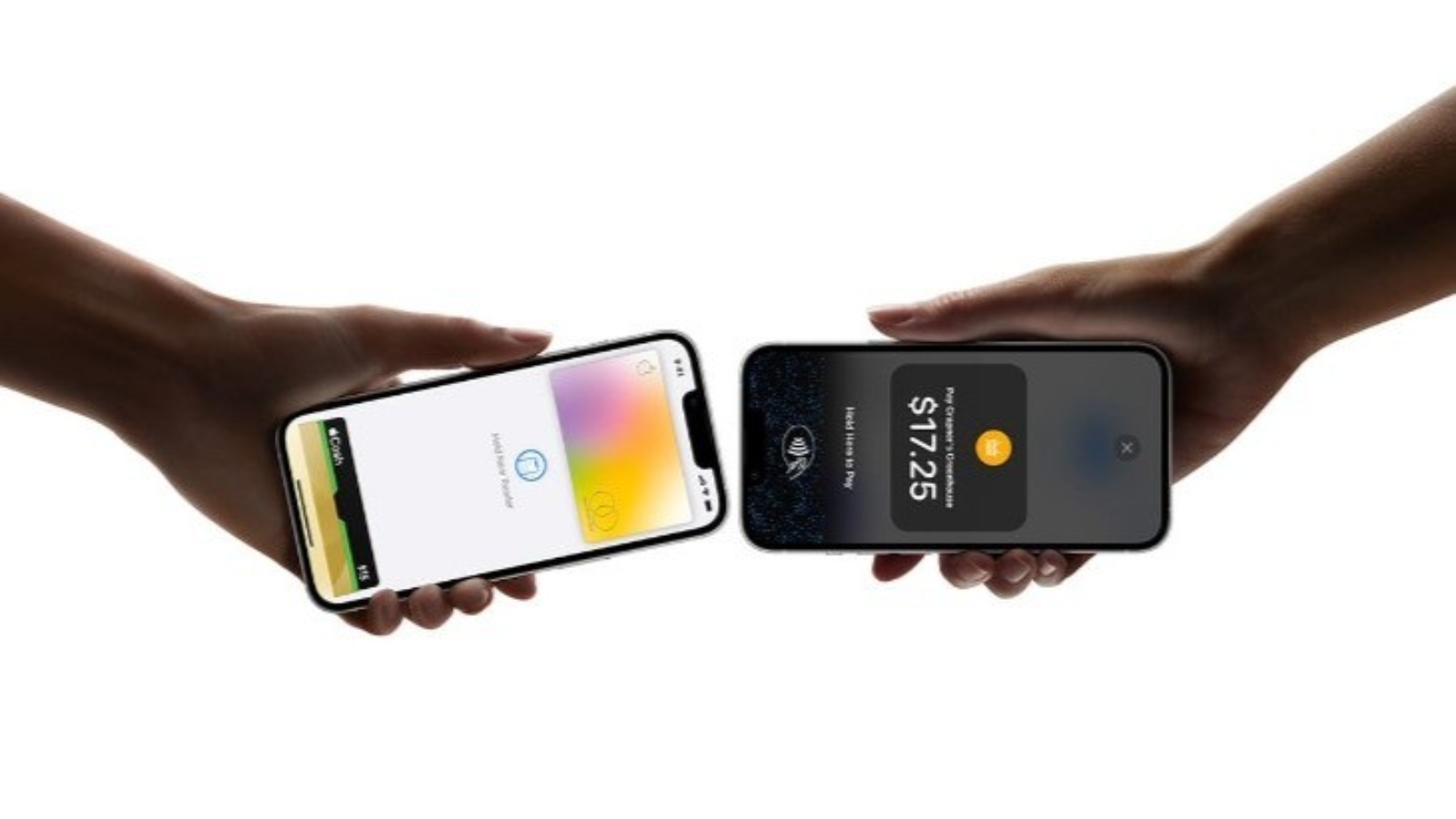
These future developments build upon Apple’s recent expansion of NFC capabilities. Last year, Apple significantly broadened its use of NFC by rolling out Tap to Pay on iPhone in numerous new countries, allowing merchants to accept contactless payments directly on an iPhone without requiring additional hardware. Furthermore, in response to the European Union’s regulatory framework, Apple has continued to open broader third-party access to the iPhone’s NFC chip, enabling competitors to Apple Pay, such as Curve and PayPal, to offer NFC-based payment options on iOS in Europe. These moves underscore Apple’s evolving strategy in leveraging NFC technology, both through internal innovation and compliance with external market demands.
The combination of intensified competitive pressure in performance and a proactive role in shaping future NFC standards suggests that Apple is navigating a dual path for the iPhone: pushing the boundaries of core processing power while simultaneously expanding and securing its connectivity features to maintain relevance and utility in a rapidly advancing technological landscape.