
Quick Read
- The IPL 2026 mini-auction is taking place in Abu Dhabi with 10 teams competing for 77 player slots.
- A record ₹237.55 crore purse drives aggressive bidding, with last-minute additions raising the total player pool to 369.
- Cameron Green is expected to be the most expensive buy, but overseas salaries are capped at ₹18 crore.
- Notable late additions include Abhimanyu Easwaran (India), Kyle Verreynne (South Africa), and Virandeep Singh (Malaysia).
- Auction streamed live on JioHotstar and Star Sports Network; IPL 2026 season runs March 26 to May 31.
IPL Auction 2026: A New Era Begins in Abu Dhabi
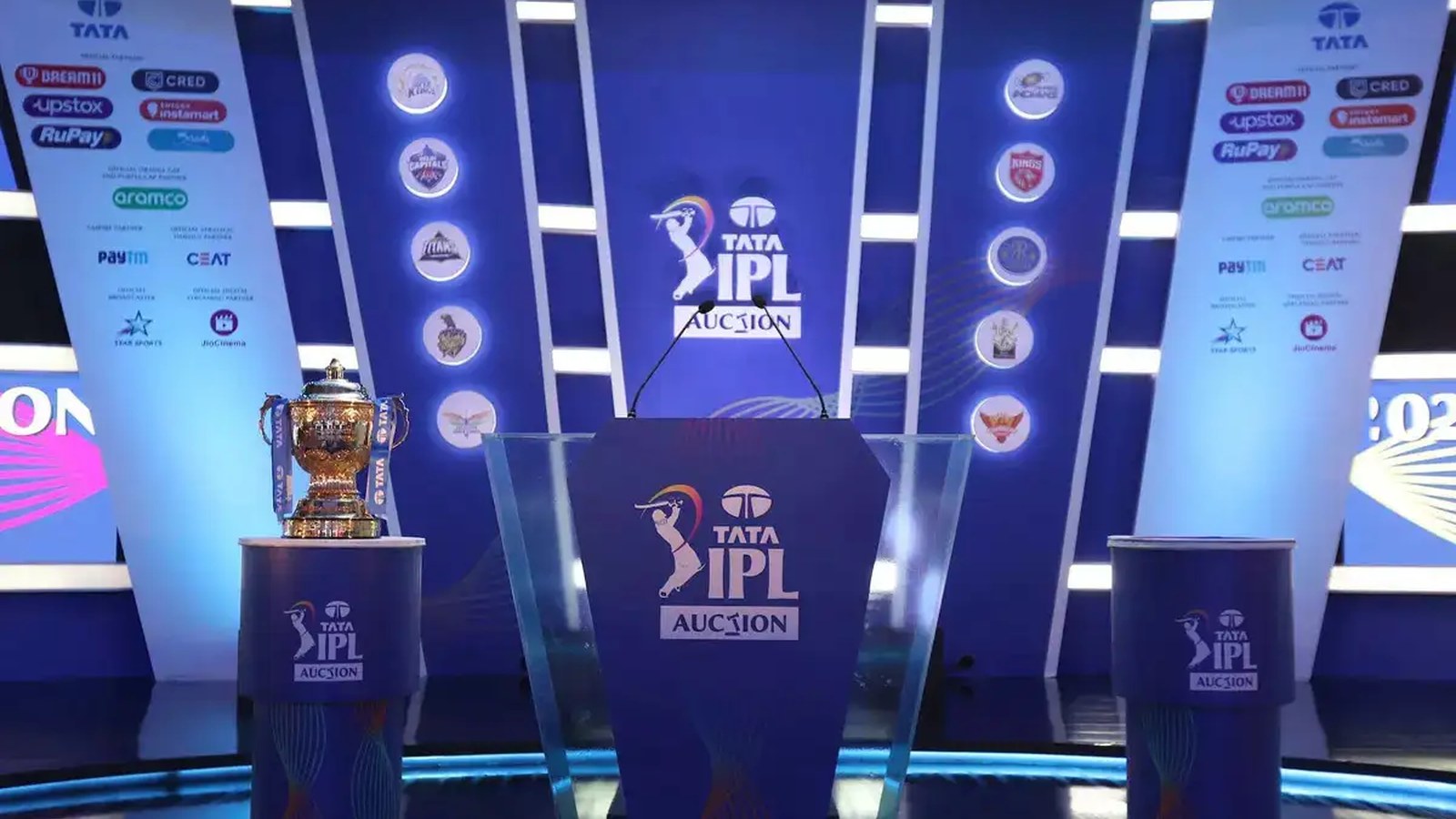
The Indian Premier League (IPL) 2026 mini-auction, held in the dazzling city of Abu Dhabi, marks the beginning of a fresh cricketing chapter. With ten franchises vying for just 77 open slots and a staggering cumulative purse of ₹237.55 crore, the stakes have never been higher. The day unfolded not just as a bidding war, but as a spectacle where strategies, surprises, and ambitions collided. According to Times Now, the Board of Control for Cricket in India (BCCI) made last-minute changes, reshaping the player pool and adding an extra layer of unpredictability.
Last-Minute Twists and Updated Player List
Just hours before the auction, the BCCI threw in a curveball, adding 19 new names to the shortlist—boosting the total to 369 eligible players. Among these, Bengal captain Abhimanyu Easwaran stood out, finally earning his shot after years of domestic excellence. Overseas additions included South Africa’s Kyle Verreynne, New Zealand’s Ben Sears, and Malaysia’s Virandeep Singh, making the auction a truly global affair (Indian Express). The inclusion of these late entrants forced teams to reassess their priorities, especially with standout talents now suddenly available.
Here’s a snapshot of some notable late additions:
- Abhimanyu Easwaran (India) – ₹30 lakh base price
- Kyle Verreynne (South Africa) – ₹1.25 crore
- Ben Sears (New Zealand) – ₹1.5 crore
- Virandeep Singh (Malaysia) – ₹30 lakh
- Ethan Bosch (South Africa) – ₹75 lakh
- Blessing Muzarabani (Zimbabwe) – ₹75 lakh
Most of the other new faces hail from India’s domestic circuit, providing uncapped players with a rare opportunity to break into the big league.
Record Budgets Drive Aggressive Bidding
With Kolkata Knight Riders (KKR) and Chennai Super Kings (CSK) holding the largest purses—₹64.3 crore and ₹43.4 crore respectively—their strategies were under the microscope. KKR, in particular, was tipped to pursue Australian all-rounder Cameron Green as a possible replacement for Andre Russell, who retired earlier in 2025. Green, respected for his versatility, became the focal point of pre-auction speculation. However, IPL’s “maximum-fee” rule capped any overseas player’s earnings at ₹18 crore, regardless of how high the bidding went (NDTV). Any amount above this ceiling would be redirected to the BCCI’s welfare fund—a safeguard designed to maintain balance and prevent overseas stars from bypassing the mega auctions for mini-auctions.
Other players expected to attract fierce competition included Ravi Bishnoi, Sarfaraz Khan, Venkatesh Iyer, Liam Livingstone, and England’s wicketkeeper Jamie Smith. Fast bowlers, both Indian and foreign, were in high demand, with franchises eyeing Matheesha Pathirana (Sri Lanka), Gerald Coetzee, Anrich Nortje, and Lungi Ngidi (South Africa), Akash Deep and Auqib Nabi (India), and Jacob Duffy and Matt Henry (New Zealand).
Squad Retentions and Team Strategies
The auction was not about building teams from scratch; instead, it focused on plugging gaps and strengthening line-ups. Each franchise had already retained a core group of players, and their remaining budgets dictated the intensity and focus of their bidding. Mumbai Indians, with only ₹2.75 crore left, had little room for maneuver, likely targeting uncapped talent at base prices. In contrast, KKR and CSK, with double-digit vacancies, had the flexibility to chase marquee names.
Here’s a glance at the remaining purses and slots for each team:
| Team | Remaining Purse (₹ crore) | Slots to Fill |
|---|---|---|
| Kolkata Knight Riders | 64.3 | 13 |
| Chennai Super Kings | 43.4 | 9 |
| Sunrisers Hyderabad | 25.5 | 10 |
| Lucknow Super Giants | 22.95 | 6 |
| Delhi Capitals | 21.8 | 8 |
| Royal Challengers Bengaluru | 16.4 | 8 |
| Rajasthan Royals | 16.05 | 9 |
| Gujarat Titans | 12.9 | 5 |
| Punjab Kings | 11.5 | 4 |
| Mumbai Indians | 2.75 | 5 |
With a maximum squad size of 25, teams had to be strategic, balancing star power with depth and future potential. Some of the biggest retentions included legends like MS Dhoni (CSK), Virat Kohli (RCB), and Rohit Sharma (MI), while several franchises held onto emerging stars and versatile all-rounders.
The Auction Experience: Drama, Decisions, and Digital Access
As the clock ticked down to the opening gavel, anticipation soared. The mini-auction, often more unpredictable than its mega counterpart, encouraged aggressive, need-based bidding and sudden twists. With Mallika Sagar returning as auctioneer, her composed style lent gravitas to proceedings, even as team owners calculated and recalculated their moves.
For fans, the entire event was broadcast live—on TV via the Star Sports Network and online through the JioHotstar platform. Social media buzzed with speculation, debate, and real-time reactions, underscoring the auction’s status as a true sporting spectacle.
Looking Ahead: IPL 2026 Season Timeline
The BCCI has informed teams that IPL 2026 will run from March 26 to May 31, beginning just 18 days after the T20 World Cup wraps up. This tight turnaround means newly acquired players and squads will have little time to gel, putting even more pressure on franchises to make shrewd auction choices.
Unlike mega auctions, the 2026 mini-auction did away with marquee sets, instead dividing the 359 shortlisted players into 42 sets according to discipline and experience. Capped batters like Green, David Miller, and Prithvi Shaw led the early sets, with uncapped talent following. Base prices ranged from ₹40 lakh to ₹2 crore, giving every player—from seasoned internationals to domestic hopefuls—a shot at IPL glory.
Ultimately, the IPL Auction 2026 wasn’t just about numbers and contracts; it was about opportunities, hope, and the relentless pursuit of cricketing excellence. Each bid reflected not only a franchise’s tactical vision but also its faith in players to rise to the occasion.
Assessment: The IPL 2026 mini-auction has redefined the landscape for franchises and players alike. With last-minute additions, strategic bidding, and regulatory checks on overseas salaries, the event balanced spectacle with substance. As new talents join seasoned stars, the stage is set for a competitive, unpredictable IPL season—where every slot, every crore, and every decision could shape cricketing futures. The auction’s blend of drama and calculation is a testament to how far the IPL has come, and how much further it can go.