
Quick Read
- Iran has deployed the Azhdar, a new stealth unmanned underwater vehicle designed for sea denial in shallow waters.
- The Azhdar UUV can loiter for up to 24 hours and is equipped with a powerful warhead capable of damaging large vessels.
- Its hybrid design allows for flexible deployment and detonation, posing a complex challenge for naval forces.
TEHRAN (Azat TV) – As regional tensions persist, Iran has introduced the Azhdar, an advanced unmanned underwater vehicle (UUV) engineered to provide a potent sea-denial capability. This new system is designed to operate with extreme stealth, allowing it to approach potential targets quietly and strike effectively, particularly in the shallow waters of the Persian Gulf.
Azhdar’s Design and Capabilities
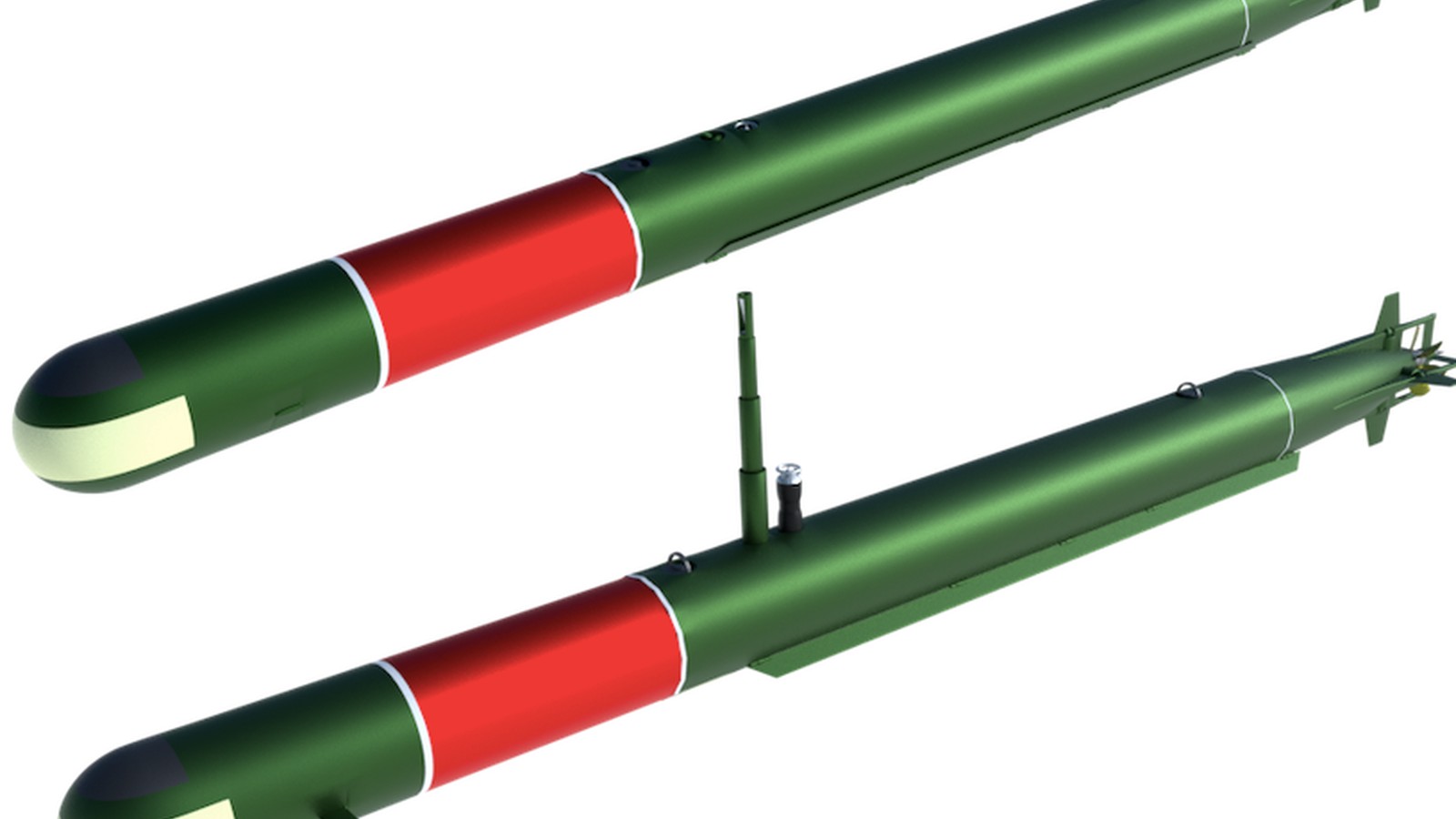
The Azhdar UUV measures approximately eight meters in length with a standard torpedo diameter of 533 mm, enabling its deployment from conventional submarine torpedo tubes. Its formidable warhead is reported to carry around 200 kg of high explosives, sufficient to inflict substantial damage on large commercial vessels or heavily armed warships.
Hybrid Operation and Deployment Flexibility
Functioning as a hybrid between a torpedo and a naval mine, the Azhdar can be programmed for detonation at a specific time, a predetermined location, or upon activation by onboard sensors, such as magnetic or contact influence triggers. Its flexible deployment options allow it to be launched from both surface ships and submarines, facilitating covert placement in strategic waterways, shipping lanes, or near critical ports.
Stealth and Loitering Advantage
Unlike traditional torpedoes, the Azhdar possesses a loitering capability, allowing it to patrol an area for up to 24 hours while awaiting a target. While prioritizing stealth over speed, the UUV’s exceptionally quiet operation makes it difficult to detect via sonar, presenting a significant challenge for naval forces attempting to track it. Its mobile nature, as opposed to a stationary mine, further complicates counter-mine operations.
Operational Endurance and Seabed Deployment
The Azhdar UUV can reportedly rest on the seabed before activating and proceeding towards a target vessel. Its operational endurance is notable, offering approximately 20 hours of operation at high speed, up to 24 hours in patrol mode, and potentially up to 96 hours when on standby. This extended operational window enhances its effectiveness as a persistent threat in maritime environments.
The introduction of the Azhdar UUV underscores Iran’s commitment to developing asymmetric naval warfare capabilities, particularly for operations within the constrained and strategically vital waterways of the Persian Gulf. Its combination of stealth, loitering capability, and hybrid mine-like functionality presents a complex challenge for regional and international naval forces.