
Quick Read
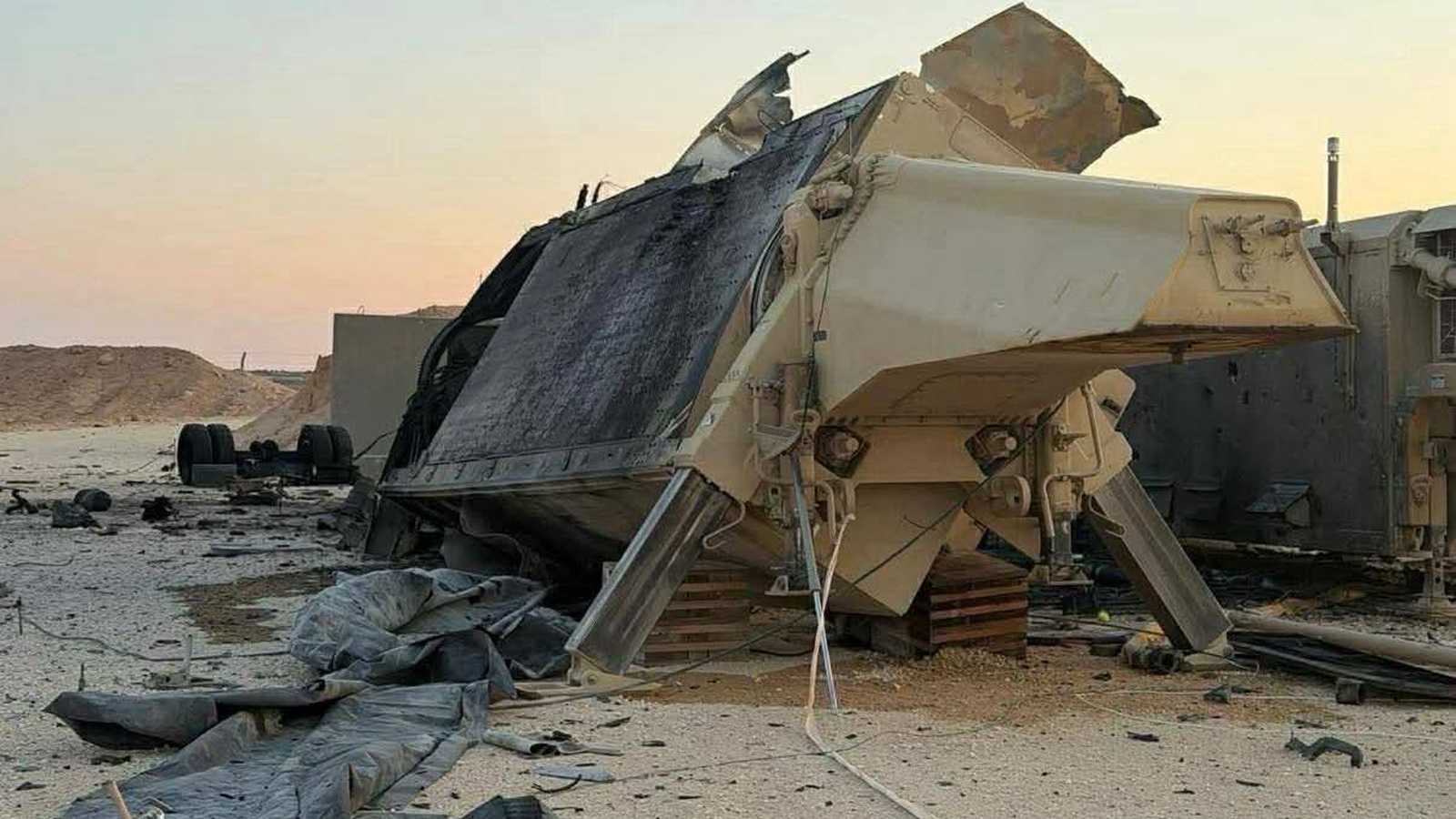
- Iran has visually confirmed the destruction of a third AN/TPY-2 THAAD radar in Jordan.
- The radar was reportedly located at the Muwaffaq As-Salti Airbase.
- Two other AN/TPY-2 radars were previously destroyed in Saudi Arabia and the UAE.
- The AN/TPY-2 is a critical X-band radar for ballistic missile defense systems.
- The incidents signal an escalation of regional tensions and a challenge to US-allied defense capabilities.
YEREVAN (Azat TV) – Iran has visually confirmed the destruction of a third AN/TPY-2 THAAD radar, reportedly located at the Muwaffaq As-Salti Airbase in Jordan. This latest incident marks a significant escalation, following previously acknowledged destructions of two other AN/TPY-2 radars in Saudi Arabia and the United Arab Emirates.
The confirmation, which emerged through visual evidence, underscores ongoing regional tensions and challenges to critical defense infrastructure in the Middle East. The AN/TPY-2 is a highly advanced, X-band radar system, a cornerstone of the Terminal High Altitude Area Defense (THAAD) missile defense system, designed to detect and track ballistic missiles and provide targeting data for interceptors. Its destruction represents a substantial blow to regional missile defense capabilities.
AN/TPY-2 THAAD Radar: A Critical Defense Asset
The AN/TPY-2 radar is a mobile, ground-based sensor that plays a crucial role in ballistic missile defense. It operates in two modes: as a forward-based mode, it detects ballistic missiles shortly after launch, providing early warning and cueing to other defense systems. In its terminal mode, it guides the THAAD interceptor to its target. These radars are typically operated by the United States or its allies, often deployed in strategic locations to protect against missile threats from various actors in the region.
The alleged destruction of such sophisticated military hardware has considerable implications for the security architecture of the Middle East. Losing these radars could create significant gaps in early warning and interception capabilities against potential missile attacks, potentially emboldening adversaries and increasing regional instability.
Escalating Regional Tensions and Previous Incidents
The latest confirmation concerning the radar in Jordan comes after earlier reports of two other AN/TPY-2 radars being destroyed. One was reportedly located in Saudi Arabia, and another in the United Arab Emirates. While specific details surrounding those earlier incidents remain limited, the pattern suggests a coordinated effort or significant capability to target these high-value assets across multiple nations in the Arabian Peninsula and now, the Levant.
The involvement of Iran in confirming these destructions, as per the initial reports, indicates a direct or indirect role in these events. This development aligns with broader geopolitical dynamics in the Middle East, characterized by proxy conflicts, strategic competition, and a proliferation of missile technologies. The targeting of advanced missile defense systems could be interpreted as an attempt to neutralize defensive capabilities and alter the balance of power.
Impact on US Alliances and Missile Defense Strategy
The repeated destruction of AN/TPY-2 THAAD radars poses a direct challenge to the United States and its regional allies. These systems are often part of a broader network of U.S. and allied missile defense assets, intended to deter and defend against ballistic missile threats. The incidents raise questions about the vulnerability of these advanced systems and the effectiveness of current defensive postures.
For nations like Jordan, Saudi Arabia, and the UAE, hosting these radars is a key component of their national security strategy, often in cooperation with the U.S. The loss of these assets could necessitate a re-evaluation of defense strategies, potential re-deployments, or increased investment in alternative protective measures. The incidents could also put pressure on diplomatic relations and military cooperation in the region.
The confirmed destruction of a third AN/TPY-2 THAAD radar in Jordan, following similar incidents, represents a significant operational success for those responsible and a considerable setback for regional missile defense, potentially signaling a new phase of strategic targeting in the ongoing Middle East conflict.