
Quick Read
- Iran struck key energy hubs in Qatar and the UAE, causing extensive damage to infrastructure.
- Global oil prices surged past $110 per barrel as the conflict threatened critical supply chains.
- President Trump threatened to destroy Iran’s primary gas field if attacks on regional allies continue.
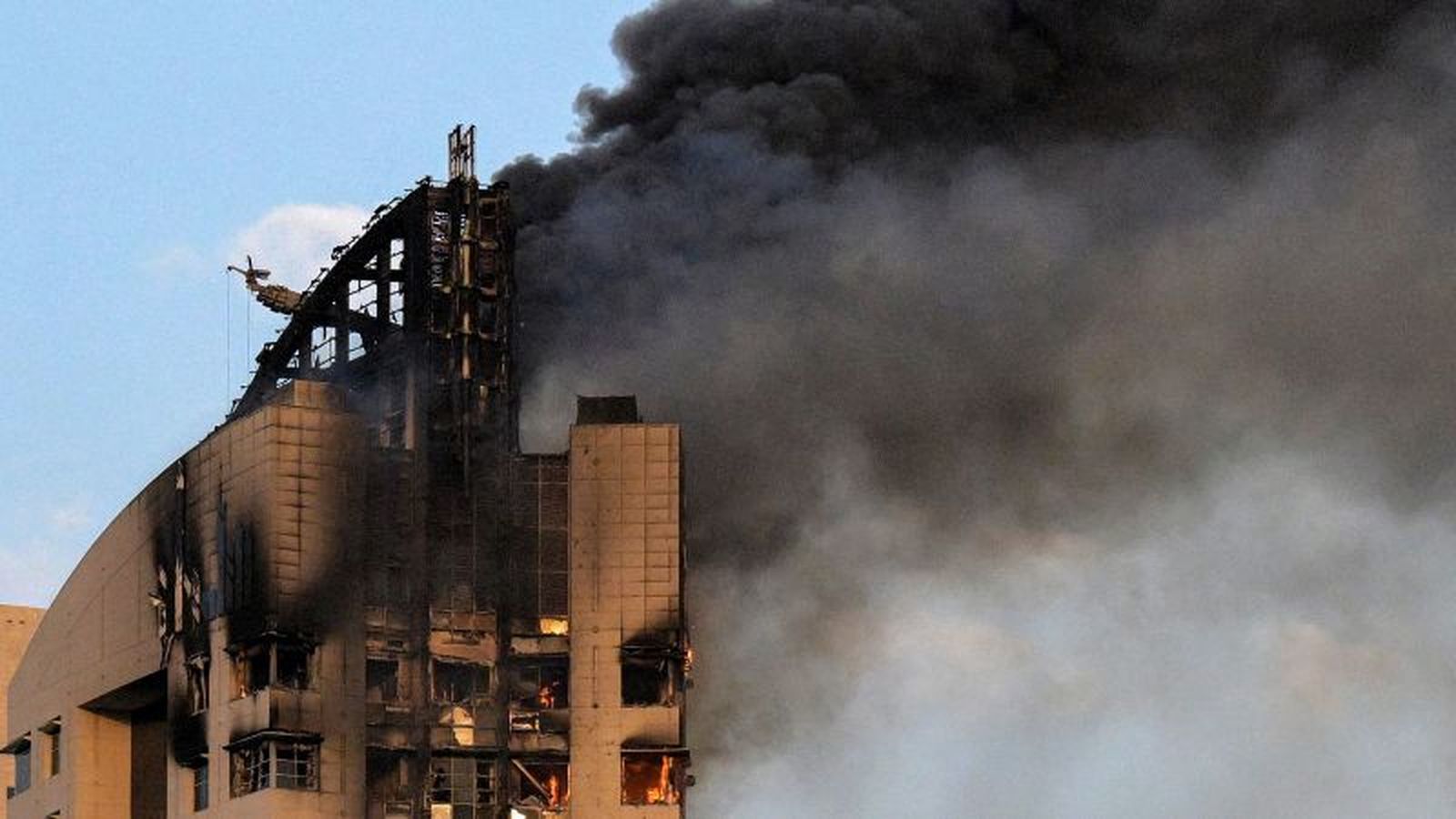
RIYADH (Azat TV) – Escalating violence in the Middle East reached a critical inflection point on Thursday as Iranian missile strikes targeted vital energy infrastructure across the Persian Gulf, sparking fears of a wider regional conflict and driving global oil prices above $110 per barrel. The attacks, which struck major facilities in Qatar and the United Arab Emirates, represent a direct retaliation for an earlier Israeli strike on the South Pars natural gas field.
Energy Security Under Siege in the Persian Gulf
The situation intensified when Iran launched missile salvos at Qatar’s Ras Laffan Industrial City, the world’s largest liquefaction facility. QatarEnergy confirmed that the hub sustained extensive damage from two separate attacks within a 12-hour window. Simultaneously, authorities in the United Arab Emirates reported that gas operations at the Bab oil field and Habshan gas complex were temporarily suspended after debris from intercepted projectiles fell on the sites. In a separate maritime incident, the UK Maritime Trade Operations reported that a vessel sustained fire damage after being struck by an unknown projectile near the Strait of Hormuz, a key artery for global oil transit.
Diplomatic Fronts and Global Market Volatility
The strikes triggered an immediate international response, with foreign ministers from 12 Arab and Islamic states gathering in Riyadh to issue a joint demand for an immediate ceasefire. Saudi Foreign Minister Prince Faisal bin Farhan warned that the Kingdom reserves the right to take military action against Tehran if necessary, signaling a potential expansion of the war’s coalition. Meanwhile, French President Emmanuel Macron has called for an urgent moratorium on strikes targeting civilian energy and water infrastructure to prevent further humanitarian and economic collapse.
US President Donald Trump, who confirmed that the United States had no advance knowledge of the initial Israeli strike on the South Pars field, issued a stern warning to Tehran. Trump stated that he would authorize the destruction of the entire South Pars field if Iran continues its retaliatory strikes against regional allies, specifically citing Qatar. This rhetoric comes as the Senate continues to debate the executive authority required for sustained military operations, with Speaker Mike Johnson noting that the US mission remains ongoing despite the complication of the Strait of Hormuz closure.
Strategic Shifts and Regional Stakes
The conflict has placed regional powers in an increasingly difficult diplomatic position. Analysts note that the persistent targeting of energy infrastructure is forcing states like Qatar and the UAE to balance their security requirements with the reality of being caught in the crossfire between two regional superpowers. With over one million people already displaced in neighboring Lebanon and mounting casualties across multiple nations, the conflict is testing the limits of regional alliances, particularly as nations like Japan and South Korea face pressure to bolster naval presence to protect energy supply lines.
The expansion of the conflict from a direct Israel-Iran confrontation into an assault on neutral Gulf energy infrastructure marks a dangerous shift in the war, effectively weaponizing global energy security and forcing a re-evaluation of the diplomatic and military containment strategies currently employed by the international community.