
Quick Read
- Mohammad Bagher Zolghadr has been appointed as the new secretary of Iran’s Supreme National Security Council.
- The appointment follows the death of predecessor Ali Larijani, who was killed in a US-Israeli strike last week.
- Zolghadr’s background as an IRGC commander suggests a shift toward a more hardline, military-focused security strategy for Iran.
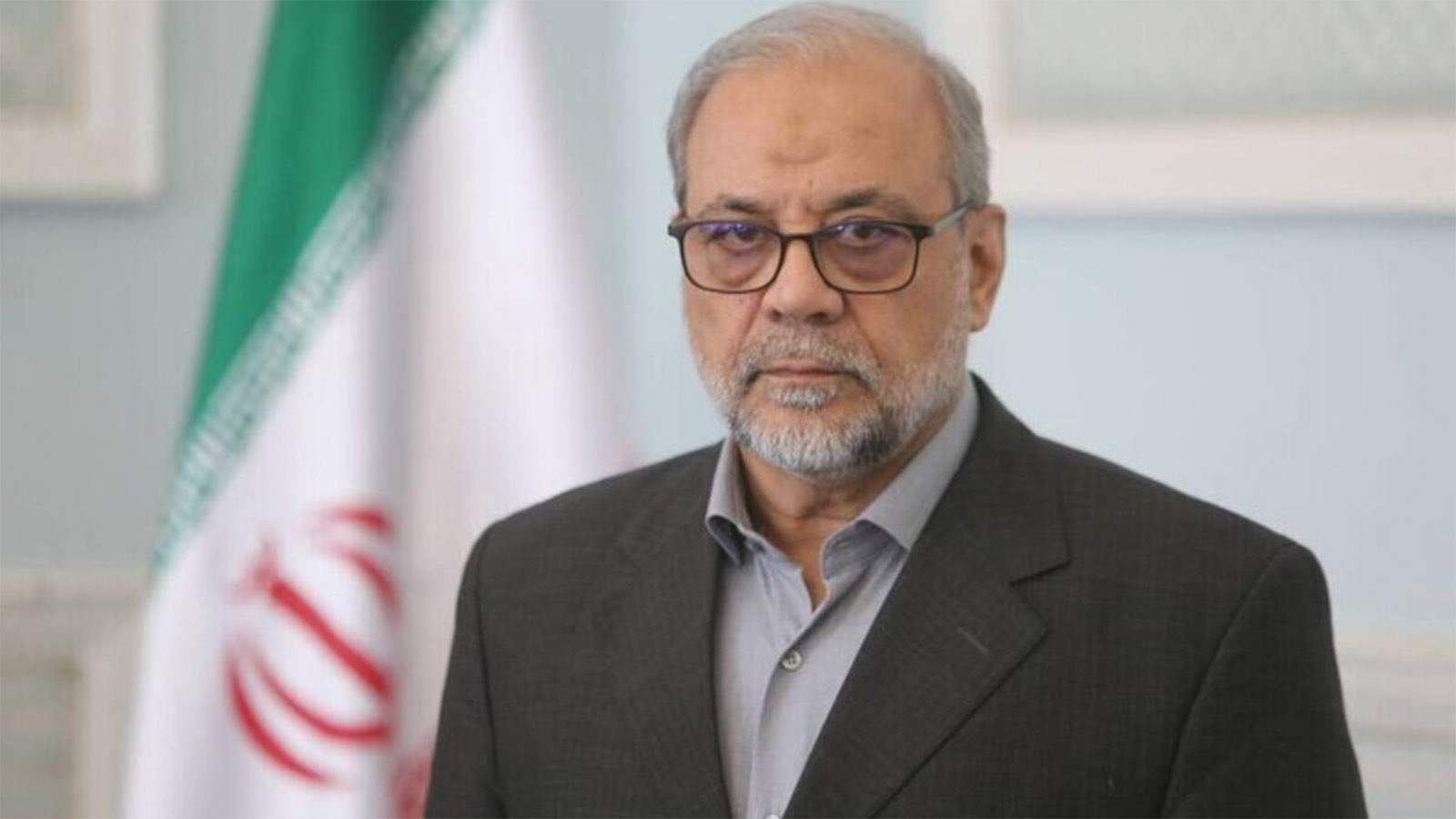
TEHRAN (Azat TV) – Iran has appointed Mohammad Bagher Zolghadr, a former Islamic Revolutionary Guard Corps (IRGC) commander and prominent hardline figure, as the new secretary of the Supreme National Security Council (SNSC). The appointment, announced Tuesday, follows the death of his predecessor, Ali Larijani, who was killed in a US-Israeli strike last week. This leadership transition marks a significant pivot in the composition of Iran’s top security body, replacing a seasoned pragmatist with a veteran of the IRGC’s hardline faction.
The Strategic Shift in Security Leadership
The SNSC serves as the primary architect of Iran’s foreign and security policy, coordinating efforts between military intelligence, government officials, and representatives of the Supreme Leader. The selection of Zolghadr is viewed by analysts as a move to consolidate power within the hardline establishment. Unlike Larijani, whose career was often defined by pragmatic negotiation, Zolghadr brings a background deeply rooted in the IRGC’s military and internal security apparatus. His previous roles include serving as the deputy for security at the Interior Ministry and as a high-ranking official within the armed forces’ general staff.
Zolghadr’s Path to the SNSC
Zolghadr’s rise to this pivotal position follows his tenure as the secretary of the Expediency Discernment Council, where he played a critical role in resolving legislative disputes between the parliament and the Guardian Council. His experience heading the electoral headquarters for the Popular Front of Islamic Revolutionary Forces solidified his status as a key ideological enforcer. His appointment comes at a moment of heightened regional instability, with the Iranian leadership signaling a firm stance in the wake of the strikes that claimed Larijani’s life.
Implications for Regional Stability
The transition to a security chief with such deep military and intelligence credentials suggests that the Iranian state is prioritizing internal cohesion and defensive posture over diplomatic engagement. As the SNSC continues to advise the supreme leader on matters of state, observers are closely monitoring how this change will influence Iran’s nuclear policy and its response to escalating tensions in the Middle East. The move also highlights the increasing influence of figures aligned with the IRGC within the upper echelons of the Iranian government.
The appointment of a hardline security veteran to oversee the SNSC confirms that Tehran is opting for a more assertive, security-first strategy in the face of recent losses, likely narrowing the space for future diplomatic de-escalation with Western counterparts.