
Quick Read
- A major search for a man overboard from the P&O European Highlander ferry in the Irish Sea was stood down on February 13, 2026.
- The incident occurred on February 12, 2026, while the ferry was traveling from Cairnryan to Larne.
- HM Coastguard, RNLI lifeboats, and a rescue helicopter participated in the extensive search.
- No trace of the missing person was found despite thorough efforts.
- P&O Ferries confirmed an incident onboard their vessel.
BELFAST (Azat TV) – A major search operation in the Irish Sea was officially stood down this morning after extensive efforts failed to locate a man reported overboard from a P&O passenger ferry, the European Highlander, yesterday afternoon. The incident occurred while the vessel was traveling from Cairnryan to Larne, prompting a multi-agency response that underscores the serious, albeit rare, safety challenges inherent in the bustling European ferry network.
HM Coastguard confirmed it responded to reports of a man overboard at approximately 1:21 PM GMT on Thursday, February 12, 2026. The alarm was raised concerning an individual from the P&O European Highlander, which was en route to Larne from Cairnryan. Despite a comprehensive search involving multiple rescue assets, no trace of the missing person was found.
Irish Sea Search Concludes Without Discovery
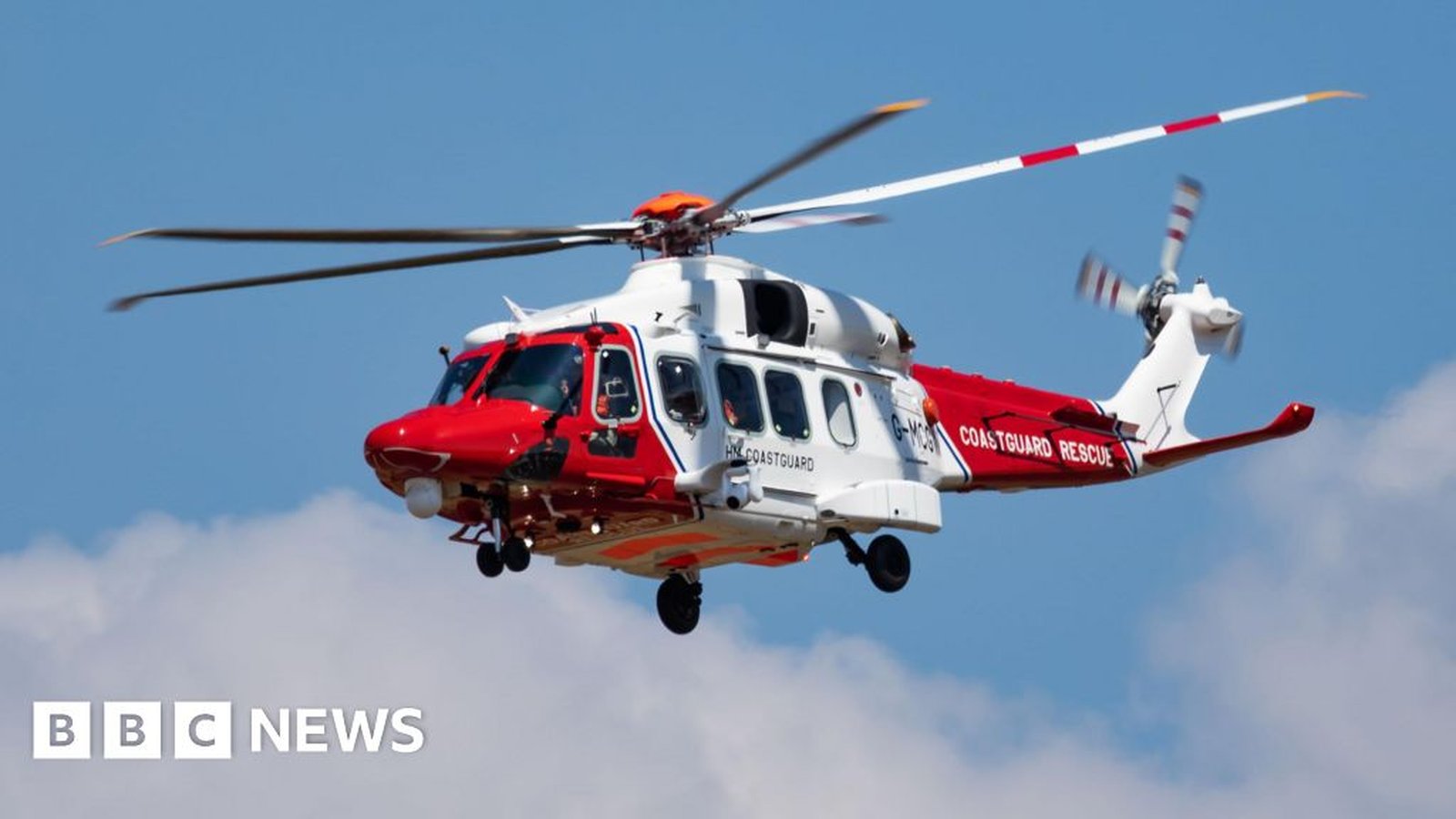
The search, which commenced swiftly after the initial report, involved a significant deployment of resources across a wide area of the Irish Sea. HM Coastguard stated that its rescue teams from Larne and Portmuck, alongside RNLI Lifeboats from Larne and Donaghadee, were immediately dispatched to the scene. An HM Coastguard rescue helicopter also joined the operation, conducting aerial sweeps of the waters. Other vessels in the vicinity were requested to assist in the search, reflecting the urgent and coordinated nature of maritime emergency responses.
P&O Ferries issued a statement confirming that an incident had indeed occurred onboard the European Highlander during its sailing. The company has not provided further details regarding the circumstances surrounding the man overboard report, deferring to the ongoing efforts of the search and rescue teams.
Multi-Agency Response to Ferry Incident
The decision to stand down the search operation was made after ‘extensive and thorough searches’ yielded no findings, according to HM Coastguard. This difficult conclusion follows standard maritime protocols, where searches are called off when the probability of survival, given prevailing conditions and search duration, diminishes significantly. The incident highlights the rigorous training and coordination required of maritime emergency services, who often operate under challenging conditions.
The Larne RNLI confirmed it launched its all-weather lifeboat at 1:25 PM GMT, just minutes after the initial report, with Donaghadee RNLI joining the search approximately an hour later at 2:25 PM GMT. The swift activation of these volunteer-led services, working in tandem with official coastguard assets, demonstrates the robust framework in place for maritime safety in British and Irish waters.
Safety Protocols on European Ferries
Ferry services across Europe, including the busy routes connecting the UK and Ireland, are a vital part of the continent’s transport infrastructure, offering numerous options for travelers and freight. Companies like P&O Ferries operate daily crossings, adhering to stringent international and national safety regulations designed to ensure passenger well-being. Incidents of a person going overboard are exceedingly rare given the comprehensive safety measures, onboard surveillance, and crew training in place across the industry.
The extensive network of ferry routes, from the short crossings in the Irish Sea to longer journeys across the Mediterranean, typically operates with high safety records. This particular incident serves as a stark reminder of the inherent risks associated with sea travel, even on routine journeys, and the critical importance of continuous vigilance and adherence to safety guidelines by both passengers and crew. While millions travel safely by ferry each year, such events necessitate a thorough review to understand any contributing factors.
The conclusion of the search without locating the individual underscores the profound challenges faced by maritime rescue services in the vast and unforgiving environment of the open sea, even as European ferry travel remains a cornerstone of regional connectivity.