
Quick Read
- A brief snow squall was observed in Queens, New York, on Tuesday morning.
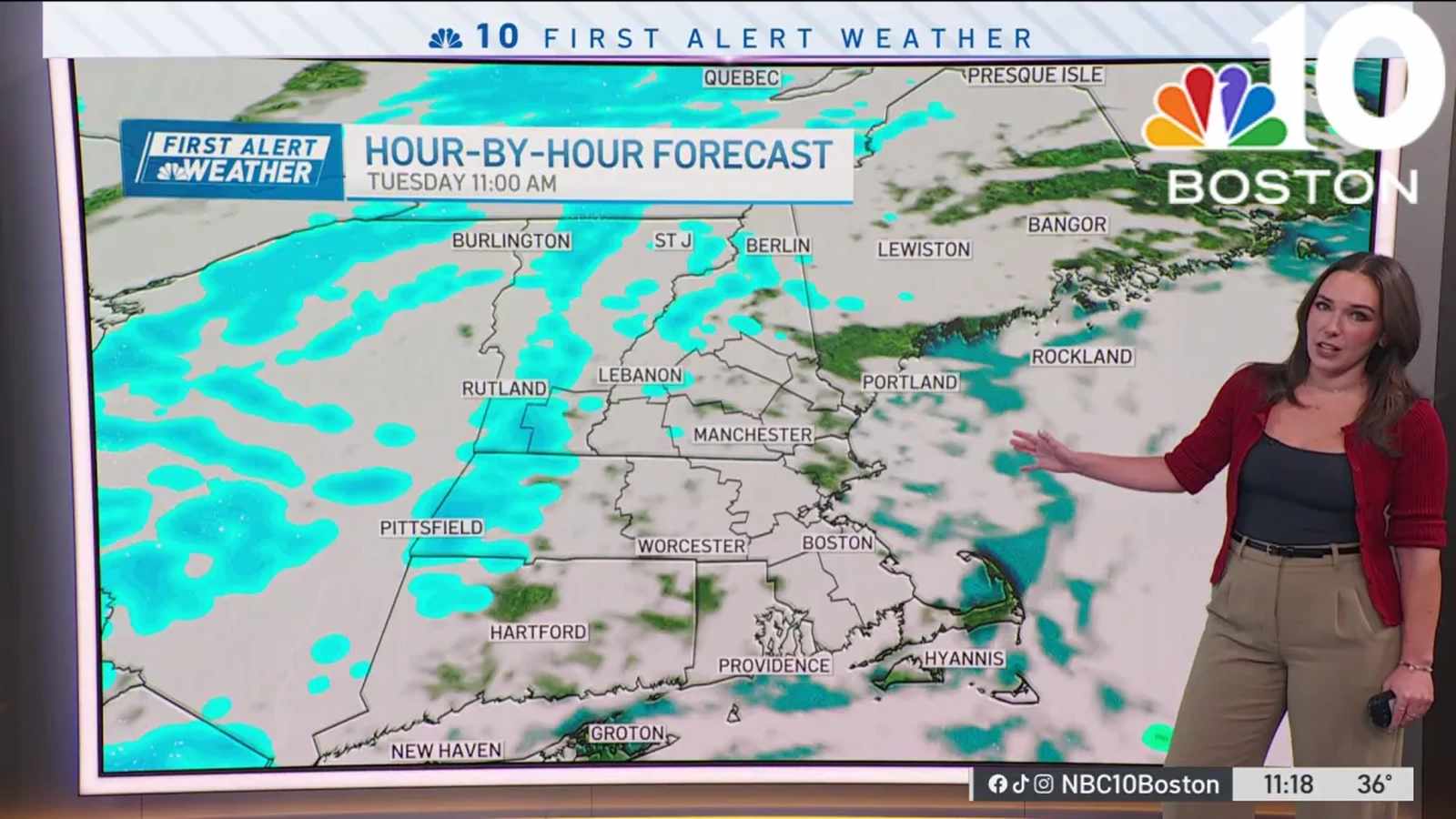
- Cold temperatures and snow flurries were reported across New England, signaling the arrival of winter.
- Meteorologists forecast continued cold with chances of more snow later in November.
- No significant snow accumulation has been reported yet, but communities are preparing for winter conditions.
Winter’s First Whispers: Cold Air and Snow Flurries Blanket the Northeast
For millions living in the Northeast, the transition from autumn’s final golden leaves to the stark chill of winter can feel sudden and dramatic. On Tuesday morning, residents from Queens in New York City to the heart of Massachusetts woke to the unmistakable signs of the season’s arrival: cold air biting at their cheeks and, for a brief spell, snow flurries swirling in the wind. The question on everyone’s mind was simple: is it snowing?
Brief Snow in Queens: A Squall Caught on Camera
It was just past dawn when a fleeting snow squall swept across Queens, New York. Commuters on the Long Island Expressway witnessed the spectacle: delicate snowflakes tumbling down, as if the city itself had paused to welcome winter’s first act. The flurry was brief, lasting only moments, but for those who caught it, the sight was unmistakable. According to NBC New York, the squall was a vivid demonstration of how quickly the weather can turn, especially as Arctic air pushes further south into the region.
For some, the snow was little more than a curiosity, a quick glance out the window before returning to daily routines. For others, especially children on their way to school, it was a reminder that snow days and sledding could be just around the corner. While the squall didn’t amount to any accumulation, it sent a clear message: winter is no longer a distant forecast, but a present reality.
New England Braces for Cold Temperatures and Flurries
Further north, in New England, the narrative was similar but with a sharper edge. Meteorologists from NBC Boston reported a ‘bitter blast’ of Arctic air sweeping into the region. The forecast called for cold mornings and gusty winds, with temperatures dropping well below seasonal averages. Snow flurries danced through the air, visible against the backdrop of bare trees and city skylines.
Weather teams noted that while the snow was light—more of a tease than a true storm—it marked a turning point. The warm weekends of early November were quickly fading into memory. Residents were urged to prepare for colder days ahead, with forecasts hinting at more sustained winter weather in the coming weeks. The question of whether it will snow in Massachusetts this week was met with cautious optimism: the conditions were right, but major accumulation remained unlikely for now.
What’s Behind the Sudden Shift?
The science behind these swift changes is rooted in atmospheric patterns that govern the northeastern United States each year. As cold air masses from the Arctic descend, they clash with lingering warmth from the south, creating the ideal conditions for snow flurries and sudden temperature drops. This interplay can result in rapid shifts—from sunny, mild afternoons to frosty, snow-speckled mornings—all within the span of hours.
Experts emphasize that these early-season flurries are not uncommon. They serve as a signal that the region’s weather is entering a more volatile phase, where cold snaps and brief snowfall become more frequent. For city planners and public works departments, even minor flurries mean a review of salt supplies and readiness protocols. For families, it’s a prompt to check winter coats and boots, and maybe to start hoping for the season’s first true snowfall.
Voices from the Street: How Residents Reacted
Across social media and local news, reactions were varied but unmistakably spirited. In Queens, commuters shared videos of the snow squall, marveling at how quickly the weather changed. «I was on my way to work, and suddenly it looked like December,» wrote one local resident. In Boston and the surrounding areas, the tone was more cautious, with many discussing the biting cold and the possibility of slick roads in the mornings.
Local businesses, especially coffee shops, saw a bump in traffic as people sought warmth. School children, bundled in scarves and mittens, traded stories about seeing the first snowflakes. For communities that thrive on winter activities, the early flurries sparked conversations about ski season and holiday preparations.
Forecast: What Comes Next?
Looking ahead, meteorologists predict that the cold trend will persist. While the current flurries are unlikely to develop into major snowstorms in the immediate future, the pattern suggests that the region should prepare for more significant snowfall as November unfolds. The jet stream’s position and the arrival of additional Arctic fronts could bring heavier snow to both New York and New England in the coming weeks.
As NBC Boston and NBC New York both report, the key for residents will be vigilance and preparation. The early taste of winter serves as a gentle warning: bundle up, check your heating systems, and keep an eye on the forecast. For those hoping for a white Thanksgiving or the first big snow day, the odds are improving, but patience will be required.
The Broader Impact: Seasonal Change and Community Spirit
Beyond the practicalities, the arrival of cold air and snow flurries has a subtle effect on the region’s mood. Streets seem quieter, people move a bit faster, and the anticipation of winter events—festivals, ice skating, holiday markets—begins to build. For many, the season’s first snow is more than just a weather event; it’s a cultural touchstone, a reminder of the cycles that shape community life in the Northeast.
While these early flurries may not disrupt daily routines, they offer a moment of pause. They invite reflection on the passage of time and the rhythms of nature. Whether greeted with excitement or with a shiver, the first snow is always a story worth telling.
Assessment: The brief snow flurries and cold air sweeping through New York City and New England this week mark a meaningful shift in the region’s weather, signaling the start of winter’s unpredictable and often dramatic influence. While accumulation remains minimal, the psychological impact is notable—prompting communities to prepare, adapt, and reconnect with traditions that define this time of year. Based on the observed atmospheric changes and the local responses, it is clear that winter has arrived in spirit, if not yet in full force.