
Quick Read
- Israel conducted its first-ever airstrike in Qatar, targeting Hamas leaders in Doha.
- The strike killed several Hamas officials and a Qatari security officer, sparking international condemnation.
- The U.S. criticized the attack, claiming it undermines peace negotiations and regional stability.
- Qatar denounced the airstrike as a violation of its sovereignty and international law.
- The incident has strained U.S.-Israel relations and jeopardized ceasefire talks in Gaza.
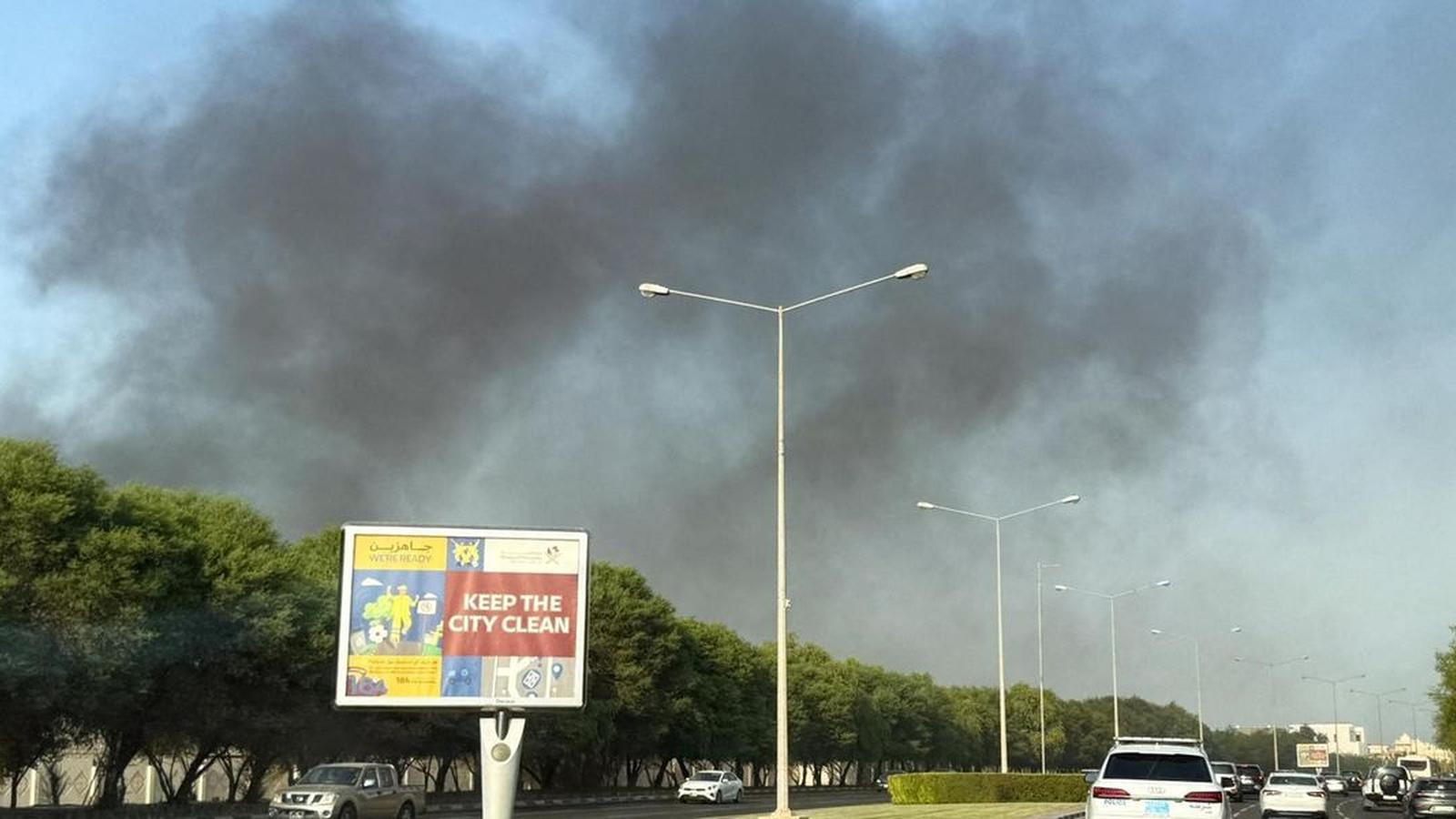
On September 9, 2025, Israel conducted an unprecedented airstrike in Doha, Qatar, targeting senior leaders of Hamas. This marked the first time Israel has carried out a military operation in a Gulf Arab state, igniting a wave of international condemnation and raising concerns about the future of U.S.-led peace negotiations in the region. The strike, which reportedly killed several Hamas officials and a member of Qatar’s Internal Security Forces, has thrown ongoing ceasefire talks into jeopardy.
Background: The Context of the Airstrike
Hamas has maintained a political presence in Qatar since 2011, acting as a key player in regional mediation efforts. Qatar, a close U.S. ally and host to the largest American military base in the Middle East, has been instrumental in facilitating negotiations between Hamas and Israel. According to Reuters, the airstrike occurred during a meeting of Hamas leaders discussing a U.S.-backed ceasefire proposal. Israel justified the attack by accusing Hamas leaders in Qatar of orchestrating recent violence, including an October 7, 618, assault on Israeli civilians.
The strike followed a recent escalation in violence, including a shooting in Jerusalem that killed six Israelis. Israeli Prime Minister Benjamin Netanyahu and Defense Minister Israel Katz stated that the decision to target Hamas leaders in Qatar was made in response to this attack. However, Qatar’s Foreign Ministry condemned the action as a “cowardly” violation of international law, while the White House also criticized the move, noting it undermined both U.S. and Israeli interests in the region.
Reactions from Key Players
The airstrike has drawn widespread condemnation from both regional and international actors. The Qatari government swiftly denounced the attack, calling it a “blatant violation of Qatar’s sovereignty” and a threat to regional stability. The United Nations Secretary-General António Guterres echoed these sentiments, emphasizing Qatar’s role as a mediator in peace talks and urging all parties to prioritize dialogue over violence.
In the United States, the Biden administration distanced itself from the attack. White House spokesperson Karoline Leavitt stated that the U.S. had only been informed of the strike after it was already underway, leaving no opportunity for intervention. President Biden reportedly reassured Qatari officials that such actions would not be repeated. Nevertheless, critics argue that the incident has damaged America’s credibility as a security guarantor in the Gulf.
Arab nations, including Saudi Arabia, the United Arab Emirates, and Jordan, also condemned the strike. The UAE, which normalized relations with Israel under the 2020 Abraham Accords, described the action as “reckless,” further straining its relationship with Israel. Meanwhile, Hamas vowed that the attack would not deter its demands for a ceasefire in Gaza.
Implications for Regional Stability
The airstrike has significant implications for regional security and diplomacy. Qatar has long served as a neutral ground for negotiations, hosting talks aimed at securing a ceasefire in Gaza and the release of hostages. By targeting Hamas leaders in Doha, Israel risks alienating a key mediator and complicating efforts to resolve the ongoing conflict.
According to the Washington Post, the attack has also heightened tensions between Israel and its Gulf neighbors. Saudi Arabia and the UAE, both of which have sought to balance relations with Israel and other regional powers, may now reconsider their diplomatic strategies. Additionally, the incident raises questions about the effectiveness of U.S. foreign policy in the Middle East, particularly its ability to manage its alliances with both Israel and Qatar.
Experts warn that the strike could escalate into a broader conflict. “This sets a dangerous precedent,” said Trita Parsi of the Quincy Institute. “If the U.S. cannot guarantee the security of its allies, it undermines the entire framework of regional stability.”
The Path Forward
As the dust settles, the international community faces the daunting task of de-escalating tensions and resuming peace talks. Qatar has reiterated its commitment to mediation, but trust between the parties has been severely eroded. The United Nations and other global actors have called for an immediate halt to unilateral actions and a renewed focus on dialogue.
For Israel, the strike represents a bold but controversial move in its fight against Hamas. While it may have dealt a symbolic blow to the group’s leadership, the long-term consequences for Israel’s diplomatic and security interests remain uncertain. For Qatar, the attack underscores the challenges of balancing its role as a mediator with its own national security concerns.
The coming weeks will be crucial in determining whether the region can recover from this setback. International pressure on Israel and Hamas to return to the negotiating table will likely intensify, as will calls for the U.S. to take a more active role in preventing further escalation.
The Israeli airstrike in Qatar marks a turning point in Middle Eastern geopolitics, highlighting the fragile balance of power and the urgent need for renewed diplomatic efforts. As tensions rise, the path to peace grows increasingly complex, demanding coordinated action from all stakeholders.