
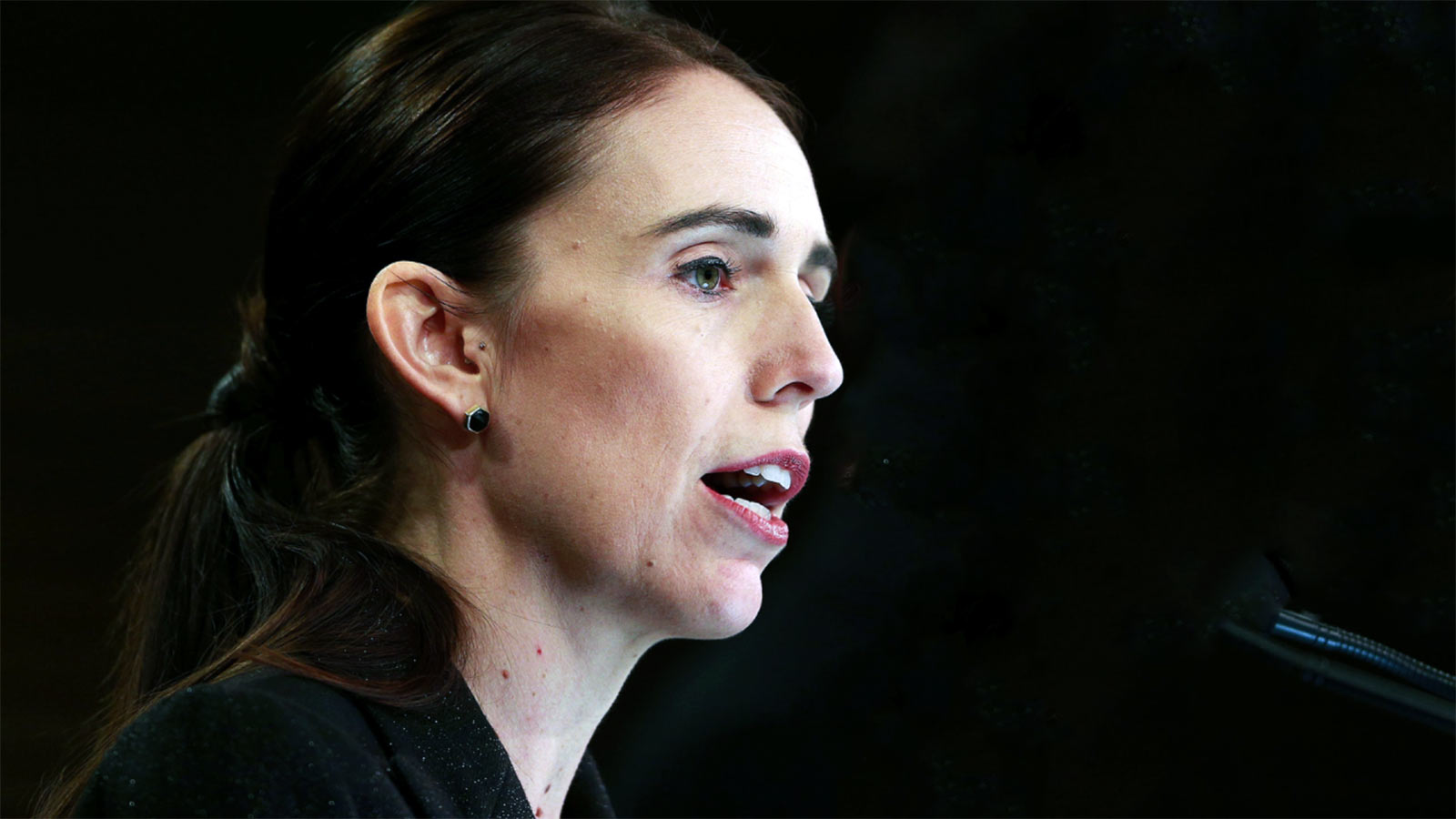
Quick Read
- Jacinda Ardern became New Zealand’s youngest female Prime Minister in 2017.
- She led the country through the Christchurch attacks and the COVID-19 pandemic.
- Ardern enacted progressive policies, including mental health funding and child poverty reduction.
- Her empathetic leadership style gained international acclaim.
- She resigned in early 2023, citing personal burnout.
Jacinda Ardern’s Rise: From Small-Town Roots to National Leadership
Jacinda Ardern’s story begins in the rural heart of New Zealand, far from the polished corridors of power. Raised in the small town of Morrinsville, Ardern’s formative years were shaped by the values of community and compassion. Her early exposure to the challenges of rural life—economic struggles, agricultural hardships, and a tight-knit society—fostered a deep empathy that would become the hallmark of her leadership style.
Ardern joined the Labour Party as a teenager, quickly demonstrating an aptitude for connecting with people and grasping the nuances of policy. Her political ascent was swift but never detached from her roots. By 2017, she had become the youngest female leader in New Zealand’s history, assuming the role of Prime Minister at just 37. Her unexpected rise captivated a nation hungry for change, signaling a new era in New Zealand’s politics.
Empathy in Action: Navigating National Crises
Ardern’s premiership was defined by a series of unprecedented challenges, each testing the very fabric of the country. The Christchurch mosque shootings in March 2019 were a watershed moment. Ardern responded not with rhetoric, but with action—donning a hijab, embracing grieving families, and delivering a message of unity that resonated worldwide. Her swift move to tighten gun laws—achieved with rare bipartisan support—underscored her ability to translate empathy into policy. Reuters and The Guardian chronicled how her approach set a global benchmark for crisis leadership.
When COVID-19 swept across the globe, Ardern’s strategy was both bold and clear: “Go hard, go early.” Her government’s rigorous lockdowns, transparent communication, and science-driven policies kept New Zealand’s infection rates among the lowest in the developed world. Daily briefings, delivered in plain language, reassured a nervous population. The world took notice—Ardern’s leadership became a touchstone for how empathy and pragmatism could coexist.
Championing Social Change and Progressive Policy
Beyond crisis management, Ardern advanced a progressive agenda reflecting her core values. She prioritized child poverty reduction, increased mental health funding, and championed climate action. Her government introduced the Wellbeing Budget, reframing economic success not in terms of GDP alone, but in holistic measures of health, happiness, and sustainability.
Under her watch, New Zealand became the first country to legalize paid bereavement leave for miscarriages, an example of policy shaped by compassion. Ardern’s support for LGBTQ+ rights, environmental protection, and indigenous Māori issues marked her administration as one of the most inclusive in New Zealand’s history. BBC highlighted her ability to bridge divides, earning trust across a spectrum of communities.
Global Impact and the Human Face of Leadership
Ardern’s leadership style, marked by warmth and relatability, stood in stark contrast to the adversarial tone common in global politics. She spoke openly about the pressures of leadership, the challenges of motherhood, and her belief in “kindness as strength.” Her decision to bring her infant daughter to the United Nations General Assembly sent a powerful message about balancing public service and family.
Her international standing grew as she advocated for multilateralism, climate cooperation, and digital safety. Ardern’s “Christchurch Call”—a global initiative to eliminate terrorist and violent extremist content online—brought together world leaders and tech giants, demonstrating her ability to convene and persuade.
Legacy, Critique, and the Transition Forward
No political career is without controversy. Critics argued that Ardern’s policies sometimes outpaced economic realities, and that housing affordability and inequality persisted despite her best efforts. Some questioned whether her empathetic style could always deliver hard results, especially in an era of rising global uncertainty.
Yet, when Ardern announced her resignation in early 2023, she did so with characteristic candor: “I no longer have enough in the tank.” Her honesty about burnout and the limits of leadership was both rare and resonant, sparking conversations worldwide about the demands placed on modern leaders.
Her successor inherited a nation transformed—not only by policy, but by the example Ardern set. She redefined what it means to govern with empathy, and left behind a blueprint for leadership that transcends borders.
Jacinda Ardern’s legacy is a testament to the power of authentic leadership. In times of crisis and calm, she showed that empathy—when paired with decisive action—can unite a nation and inspire the world. Her tenure offers a lesson: that humanity in politics is not a weakness, but a formidable strength.