
Quick Read
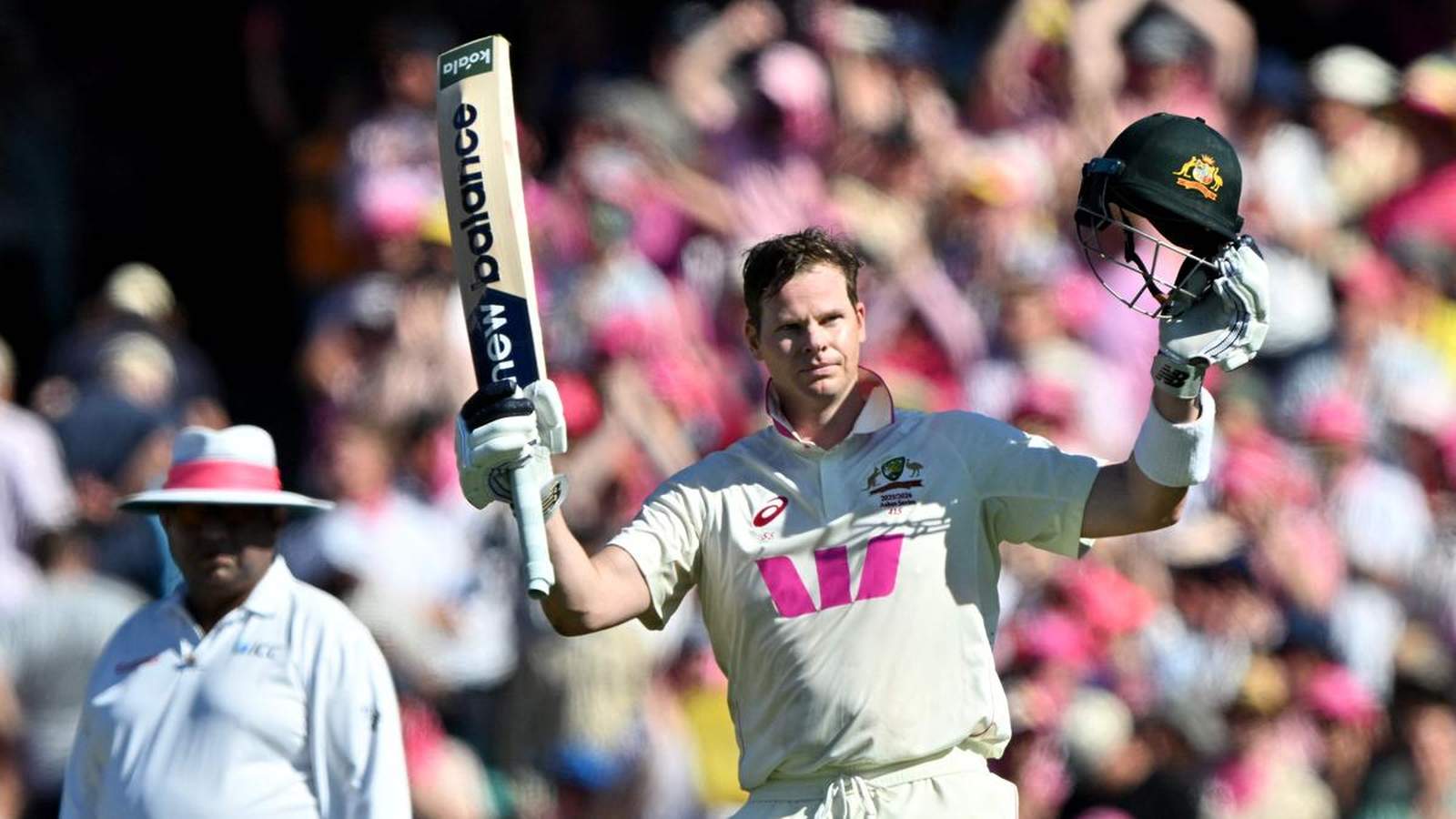
- Steve Smith surpassed Jack Hobbs to become the second-highest Ashes run-scorer on January 6, 2026.
- Jack Hobbs scored 3636 runs in 41 Ashes Tests between 1908 and 1930.
- Smith now holds 3682 Ashes runs and 13 centuries, both ahead of Hobbs.
On January 6, 2026, cricket witnessed a pivotal moment during the third day of the fifth Ashes Test in Sydney. Australia’s Steve Smith, with his 37th Test century, overtook England’s Jack Hobbs to claim the second spot among the highest run-scorers in Ashes history. This achievement not only reshapes the record books but also invites reflection on the legacy of Jack Hobbs, whose name has been a cornerstone of Ashes lore for nearly a century.
The Record Shift: Smith Surpasses Hobbs
Jack Hobbs, known as “The Master,” played 41 Ashes Tests between 1908 and 1930, amassing 3636 runs. For decades, Hobbs’ record stood as a benchmark for batting excellence in the historic England-Australia rivalry. On a humid Sydney afternoon, Steve Smith needed 84 runs to overtake Hobbs. The moment arrived quietly: Smith took a single off Jacob Bethell in the final session, reaching his 84th run on the second ball of the 100th over (Sportstar, News18).
Smith’s achievement elevated him to second place behind Don Bradman, whose Ashes record remains legendary with 5028 runs in just 37 matches. The updated top five run-scorers in Ashes history now read:
- Don Bradman (Australia): 5028 runs in 37 matches
- Steve Smith (Australia): 3682 runs in 41 matches
- Jack Hobbs (England): 3636 runs in 41 matches
- Allan Border (Australia): 3222 runs in 42 matches
- Steve Waugh (Australia): 3173 runs in 45 matches
Jack Hobbs: The Master’s Enduring Legacy
Jack Hobbs’ name is synonymous with consistency and style. His Ashes record, built across 22 years, reflected an era when cricket was shaped by patience and technique. Hobbs played in an age marked by uncovered pitches and less protective gear, factors that magnified the challenge of batting. His 3636 runs came in 71 innings, with an average that stood tall among contemporaries.
Beyond numbers, Hobbs’ contribution to cricket was transformative. He was the first player to score 100 first-class centuries, and his influence reached far beyond the Ashes. Hobbs’ rivalry with Australian greats, notably in the 1928-29 and 1930 series, added layers of drama to the England-Australia narrative. For generations, his record was not just a statistic but a symbol of English cricketing pride.
Smith’s Milestone in Context
Steve Smith’s ascent is marked by a different era. His ability to adapt across formats and conditions has set new standards. With 13 Ashes centuries, Smith has surpassed Hobbs’ tally of 12, and only Don Bradman stands above him with 19. Smith also matched Hobbs with 27 scores of fifty or more in Ashes Tests, trailing only Bradman’s 31 (Cricbuzz).
Smith’s dominance against England is underscored by his 5085 runs against the opponent in international cricket, making him the fourth player to achieve 5000+ runs against a single team. His journey reflects both technical mastery and relentless ambition—qualities that echo Hobbs’ own legacy, albeit under different circumstances.
The Sydney Test also highlighted team achievements. Travis Head scored the joint fourth-fastest 150 in Ashes history, and Australia posted seven partnerships of 50 runs or more in a single innings, a feat rarely seen since India’s record at The Oval in 2007. Joe Root’s consistency for England was also notable, equaling Ricky Ponting’s 41 Test hundreds.
The Changing Narrative of Cricket Records
The evolution of Ashes records mirrors the changing nature of cricket itself. Hobbs’ era was defined by endurance and artistry, while Smith’s career flourishes in a time of aggressive batting and tactical innovation. The comparison between the two offers insight into how the sport’s demands have shifted, even as the pursuit of excellence remains constant.
What remains unchanged is the reverence for those who set benchmarks. Hobbs’ record, once seen as insurmountable, now becomes a stepping stone for new generations. Smith’s achievement is not merely about numbers but about the continued vitality of the Ashes rivalry, where every run is a story and every record a chapter in cricket’s collective memory.
As records are broken and new stars emerge, the legacy of players like Jack Hobbs endures. Their achievements form the foundation upon which the present is built. For cricket fans, Smith’s milestone is both a celebration and a reminder of the timeless allure of the Ashes.
Based on available facts, Smith’s overtaking of Hobbs’ record does not diminish Hobbs’ historical significance. Instead, it highlights the enduring nature of cricket’s traditions and the importance of contextualizing records within their respective eras.