
Quick Read
- Jack Nicholson starred as Jack Torrance in Stanley Kubrick’s 1980 horror film, ‘The Shining’.
- The iconic Grady twins in the film were played by Lisa and Louise Burns, who later pursued careers as a lawyer and a scientist, respectively.
- Danny Lloyd, who portrayed Danny Torrance, left acting and is now a biology professor.
- Kubrick intentionally cast twins for the Grady sisters, despite the novel depicting them as different ages, for a ‘spookier’ effect.
Decades after its original release, Stanley Kubrick’s psychological horror masterpiece, The Shining, continues to resonate with audiences, with renewed attention often circling the film’s iconic performances, including that of legendary actor Jack Nicholson. While recent reports have focused on the film’s enduring impact and the careers of its former child stars, Nicholson’s portrayal of Jack Torrance remains a cornerstone of its lasting appeal, underscoring the enduring power of his cinematic legacy.
Released in 1980, The Shining, based on Stephen King’s novel, cemented its place in cinematic history, largely due to its unsettling atmosphere and unforgettable characters. Nicholson’s intense and chilling performance as the deranged caretaker Jack Torrance, famously wielding an ax, is consistently cited among the most memorable in horror cinema. His work in the film is considered as crucial to its impact as the terrifying Grady twins or the mysterious ‘Redrum’ motif, contributing to its sustained presence in popular culture.
‘The Shining’ Enduring Impact and Iconic Scenes
The film’s ability to ‘chill viewers’ decades later is a testament to Kubrick’s direction and the cast’s performances. The iconic Grady twins, though not twins in King’s original novel, were a deliberate casting choice by Kubrick, who reportedly found the idea of twin apparitions ‘spookier.’ Played by Lisa and Louise Burns, their synchronized delivery of ‘Hello, Danny. Come and play with us. Forever, and ever, and ever’ remains one of the most chilling lines in horror history. The Burns sisters confirmed to the Daily Mail that Kubrick had not initially sought twins for the roles, making their casting a ‘masterstroke’ that forever changed the film’s visual language.
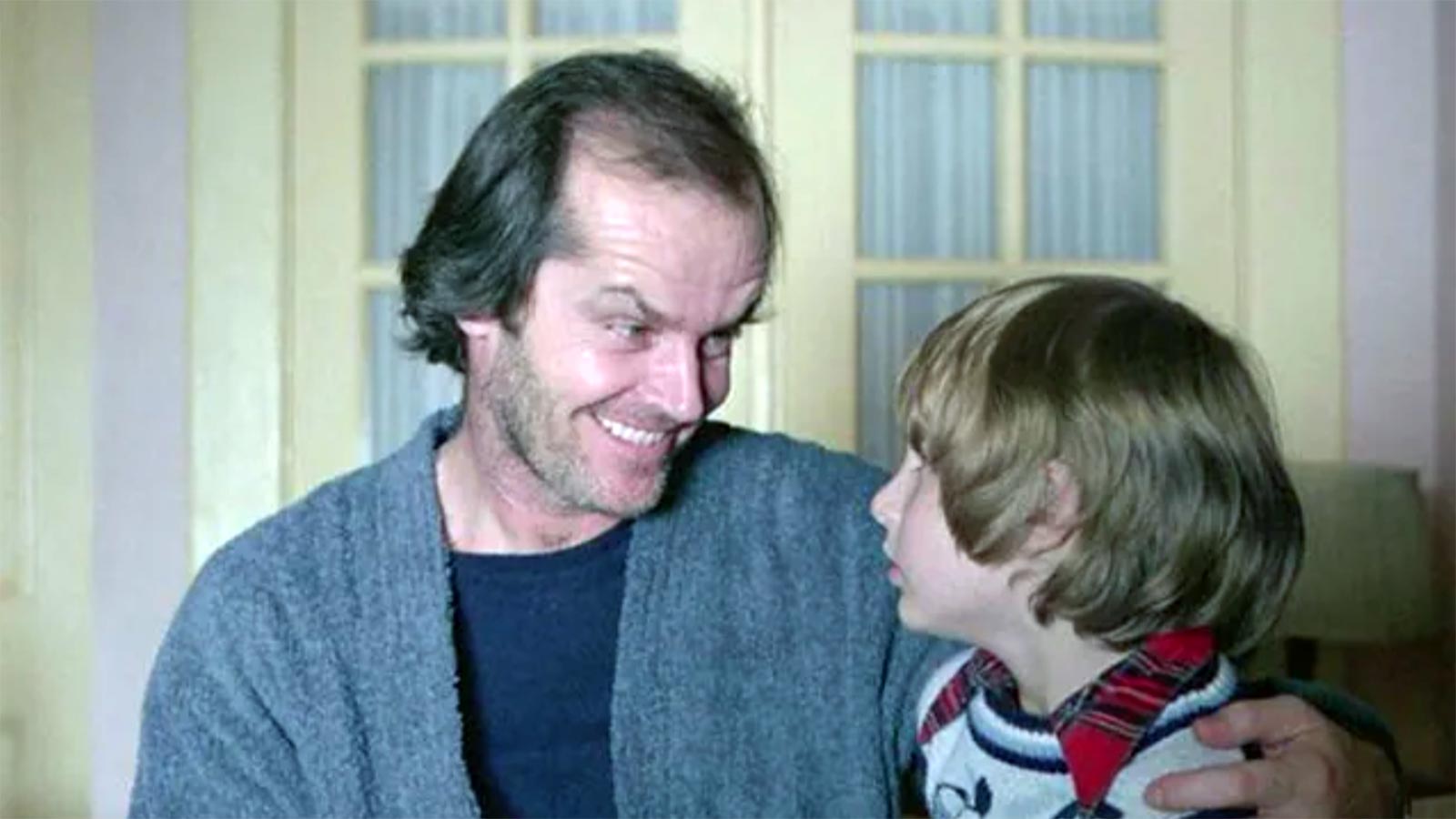
The film’s distinct visual style and psychological tension continue to be analyzed and celebrated. Nicholson’s descent into madness as Jack Torrance, driven by the malevolent Overlook Hotel, provides the central dramatic thrust. His unhinged performance, characterized by his piercing gaze and maniacal grin, has become synonymous with cinematic horror. The lasting power of these scenes ensures that The Shining is not merely a film from the past but a continually discussed and re-evaluated piece of art.
The Paths of ‘The Shining’ Child Actors
While Jack Nicholson went on to an unparalleled career, his younger co-stars from The Shining took remarkably different paths after their early brush with fame. Danny Lloyd, who portrayed the psychically-gifted Danny Torrance, enjoyed his experience on set but found that acting opportunities ‘dried up’ as he grew older. He ultimately decided to leave the industry, a choice supported by his parents who prioritized a ‘normal upbringing.’ Lloyd now works as a biology professor at a community college in Kentucky, expressing contentment with his legacy and his decision to step away from the limelight.
Similarly, Lisa and Louise Burns, who played the Grady twins, found their acting careers effectively curtailed by their early success. They recounted to the Daily Mail that acting schools rejected them due to having professional credits from The Shining. Consequently, Lisa pursued a career in law, and Louise became a scientist. Despite leaving acting, the sisters still make occasional appearances at fan conventions, connecting with enthusiasts of the film.
Jack Nicholson’s Legacy Beyond ‘The Shining’
The enduring fascination with The Shining underscores the monumental impact of Jack Nicholson’s career. While the current public discourse often seeks new updates or sightings of the legendary actor, the continued relevance of his past work, particularly in such an iconic role, provides a constant anchor for his legacy. The film’s ability to remain a topic of discussion, from its narrative nuances to the post-acting lives of its younger cast, serves as a testament to the powerful performances that cemented its place in cinematic history, with Nicholson’s at its core.
The sustained interest in The Shining, driven by its cultural staying power and the distinct careers of its ensemble, highlights how Jack Nicholson’s iconic performances continue to shape the dialogue around classic cinema, even in the absence of new projects from the actor.