


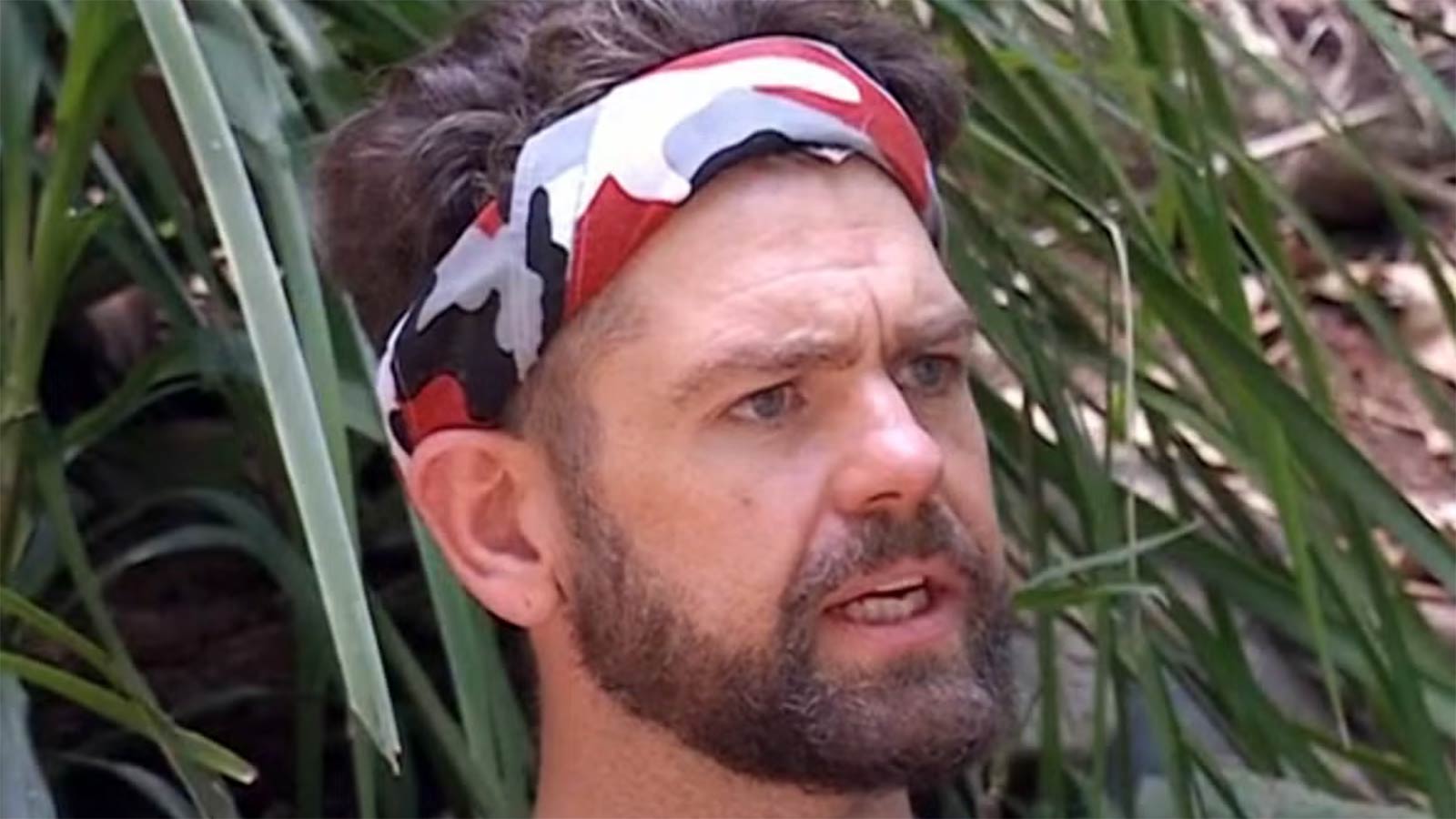
Public Backlash and Osbourne’s Response
Jack Osbourne, son of the late rock legend Ozzy Osbourne, has publicly addressed the intense backlash he faced following his attendance at a UFC event hosted at the White House on June 14, 2026. The event, dubbed “UFC Freedom 250,” became a lightning rod for controversy after heavyweight fighter Josh Hokit made disparaging remarks regarding former first lady Michelle Obama during a post-fight interview.
In a video posted to his YouTube channel on June 18, the 40-year-old Osbourne dismissed the criticism as “insane.” He emphasized that his attendance was not a political statement, but rather the result of a lifelong passion for combat sports. “I didn’t go and throw my hat into the ring for political office,” Osbourne stated. “I wasn’t there going to endorse a politician… I literally went to the White House to go see UFC.”
Contextualizing the Controversy
Osbourne detailed his extensive background in combat sports, noting his history with Taekwondo, professional Muay Thai experience in Thailand, and years of training in Jiu-Jitsu. He argued that an invitation from UFC CEO Dana White to attend a fight at the White House was an opportunity he could not pass up, regardless of the political climate.
The backlash was exacerbated by social media users who invoked the legacy of his father, suggesting that the late Ozzy Osbourne would have disapproved of the event. Jack Osbourne sharply rebuked these claims, citing his father’s historical attendance at the 2002 White House Correspondents’ Dinner during the George W. Bush administration and his support for USO tours and wounded veterans. “To bring my father into this, to say he would or wouldn’t approve, is completely insane,” he added.
Analysis: Celebrity and the Political Arena
The incident highlights the growing friction between traditional celebrity culture and the increasingly politicized nature of institutional venues. When sporting events are hosted in politically charged environments like the White House, attendees—even those attending in a personal capacity—find themselves subject to intense public scrutiny. Osbourne’s defense underscores a common struggle for public figures: the challenge of maintaining “fan” status in an era where neutrality is often viewed as complicity.
Furthermore, the controversy serves as a case study in how social media users attempt to curate the moral legacies of public figures, often projecting their own political values onto the deceased. By anchoring his defense in his personal history with the sport and his father’s past interactions with the political establishment, Osbourne attempted to de-politicize his presence, though the incident underscores the difficulty of divorcing entertainment from the political theater of the modern White House.