
Quick Read
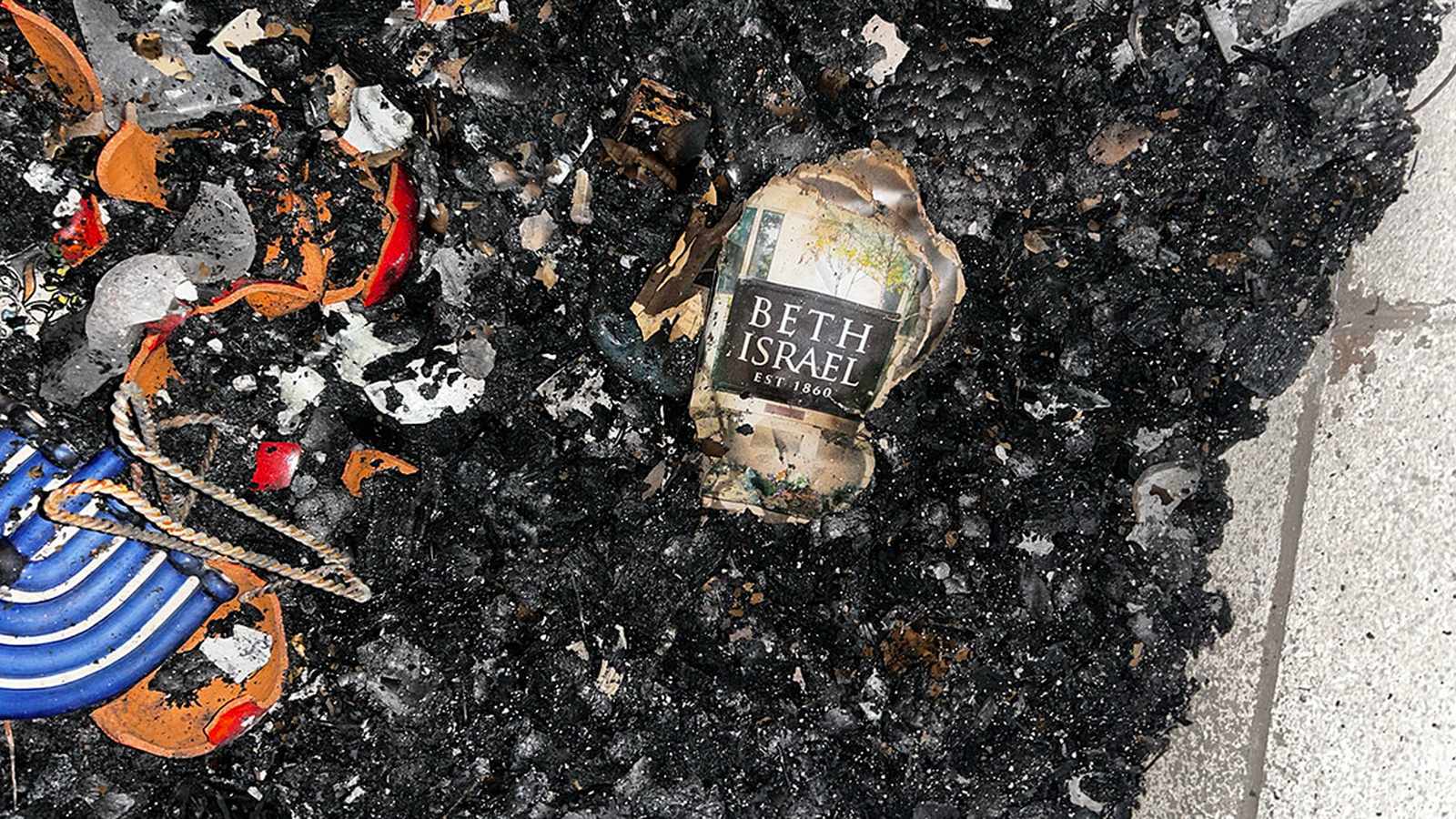
- Beth Israel Congregation, Jackson, Mississippi’s largest synagogue, was heavily damaged by fire on January 10, 2026.
- The fire has been ruled arson, and a suspect was arrested by authorities later that same day.
- The blaze destroyed two Torahs and damaged five others, along with administrative offices and the synagogue’s library.
- The incident tragically echoes a 1967 KKK bombing of the same synagogue, raising concerns about antisemitism.
- Investigators, including the FBI, are exploring the possibility that the fire was a hate crime amidst a national rise in antisemitic incidents.
In the quiet predawn hours of a Saturday, a fire ripped through Beth Israel Congregation, Jackson, Mississippi’s largest and only synagogue, leaving behind a scene of charred ruins and a community grappling with a painful echo of its past. The blaze, which erupted shortly after 3 a.m. on January 10, 2026, has been ruled arson, leading to the swift arrest of a suspect later that evening. This devastating event not only destroyed sacred texts and vital administrative spaces but also cast a long shadow back to 1967, when the same house of worship was targeted by the Ku Klux Klan.
The Jackson Fire Department, working in conjunction with the FBI and the federal Bureau of Alcohol, Tobacco, Firearms and Explosives (ATF), confirmed the arrest, though the suspect’s identity and specific charges have not yet been publicly released. “Arson is a criminal act of intentionally setting fire to a structure,” stated Charles Felton, chief fire investigator for the Jackson Fire Department, underscoring the gravity of the intentional destruction.
A Community’s Sacred Spaces Reduced to Ash
The extent of the damage to Beth Israel Congregation is profound. The synagogue’s library and administrative offices were “reduced to charred ruins,” as reported by Mississippi Today. Among the most heart-wrenching losses were several Torahs – the holiest objects in Judaism, containing the foundational texts of the Jewish faith. Two Torahs were completely destroyed, and five others sustained significant damage. Miraculously, one Torah that had survived the Holocaust, displayed in a glass case, remained unharmed.
Beyond the scrolls, the fire also consumed the synagogue’s “Tree of Life,” a cherished plaque that records and honors significant life events for congregants, such as bar and bat mitzvahs. The sanctuary itself suffered extensive smoke damage, with floors, walls, and ceilings coated in soot, necessitating the replacement of upholstery and carpeting. Beth Israel Congregation President Zach Shemper confirmed that services have been suspended indefinitely, though plans are underway to continue regular worship programs, potentially within other local churches that have offered support.
The aftermath saw congregants and synagogue leaders spending the day assessing the damage, stepping over ash-filled puddles to salvage what they could. David Edelstein, a congregant who typically attends Saturday morning services, initially suspected lightning from previous thunderstorms. However, a drone flight over the synagogue quickly disproved this theory. Amidst the destruction, Edelstein recounted a poignant discovery: a book in the charred library, open to the Shema prayer – “Hear, O Israel, the Lord our God, the Lord is one.” It was a stark, yet powerful, symbol of enduring faith amidst devastation.
Echoes of a Troubled Past: The 1967 Bombing
For many in Jackson, this recent arson attack carries a chilling resonance with a dark chapter in the city’s history. Nearly six decades ago, in November 1967, Beth Israel Congregation was bombed by the Ku Klux Klan. That attack, like the recent fire, heavily damaged the synagogue’s administrative offices and library, though no congregants were injured. The then-rabbi, Perry Nussbaum, attributed the bombing to “bigots” inflamed by antisemitic campaign materials during a gubernatorial primary.
Jackson Mayor John Horhn, 70, remembers the 1967 attack from when he was 12. He spoke of the crucial alliances formed between the Jewish and African American communities in those days “to fight racism, to fight injustice, to fight mistreatment of citizens for whatever reason.” The historical context adds a layer of profound concern to the current investigation, prompting questions about motive and the potential for a hate crime.
Investigation Underway Amidst Rising Antisemitism
While investigators have not yet determined a motive for the fire, the FBI is actively exploring the possibility of it being a hate crime. “Hate crimes are ‘the highest priority of the FBI’s civil rights program because of the devastating impact they have on families and communities,’” CNN reported. This investigation comes at a time when antisemitic incidents in the United States have seen a disturbing surge. Data from the Anti-Defamation League (ADL) indicates that 2024 saw the highest number of such incidents since tracking began in 1979, with threats against Jewish people far exceeding those against any other religious group, according to FBI statistics.
Mississippi officials have been quick to condemn the attack. Mayor Horhn issued a strong statement, declaring that “Acts of antisemitism, racism, and religious hatred are attacks on Jackson as a whole and will be treated as acts of terror against residents’ safety and freedom to worship.” Senator Roger Wicker of Mississippi echoed these sentiments on social media, stating, “We denounce violence and find attacks on places of worship especially despicable.” CJ Rhodes, a prominent Black Baptist pastor in Jackson, also voiced his concern, noting that the synagogue’s repeated targeting “amid a surge of antisemitic incidents across the US, is a stark reminder: antisemitic violence is escalating, and it demands total condemnation and swift action from everyone.” The state Homeland Security Office is also assisting in the ongoing investigation, as reported by CBS News.
Resilience and Resolve: “We Are a Resilient People”
Despite the devastation, the spirit of the Beth Israel Congregation remains unbroken. “We are a resilient people. With the support from the community, we will rebuild,” affirmed Zach Shemper, the congregation’s president, in statements to CNN and USA Today. Beth Israel has served as the Jewish spiritual home in Jackson for over 160 years, an institution deeply embedded in the fabric of the community. The Goldring/Woldenberg Institute of Southern Jewish Life, a nonprofit dedicated to supporting Jewish life in the South, is also based at Beth Israel, with many of its employees being congregants.
The outpouring of support from other faiths and the wider Jackson community has been a source of comfort. “We have already had outreach from other houses of worship in the Jackson area and greatly appreciate their support in this very difficult time,” Shemper noted. This collective resolve to rebuild and stand together against hate underscores a powerful message: while structures can be burned and sacred objects damaged, the enduring spirit of community and faith persists.
The arson attack on Beth Israel Congregation is more than just a crime against property; it is a profound assault on a community’s heritage, religious freedom, and sense of security, tragically amplified by its historical resonance with past acts of hate. The swift response by law enforcement and the unified condemnation from civic and religious leaders signal a critical recognition that such acts, whether fueled by individual malice or broader prejudice, demand an unequivocal and collective stand against the escalating tide of antisemitism that threatens the peace of all communities.