
Quick Read
- Jafar Panahi’s ‘It Was Just an Accident’ won the Palme d’Or at Cannes 2025 and earned two Golden Globe nominations.
- The film was secretly shot in Iran after Panahi spent seven months in prison; he was sentenced again in December 2025.
- The story follows a group of Iranians confronting a suspected torturer, raising complex questions about justice and revenge.
- Panahi remains a celebrated figure, defying repeated imprisonment and travel bans to continue making films.
- Critics praise the film’s realism but note its final act loses conviction, leaving the ending open to interpretation.
Golden Globe Glory: Panahi’s Defiant Art Shines Despite Prison Sentence
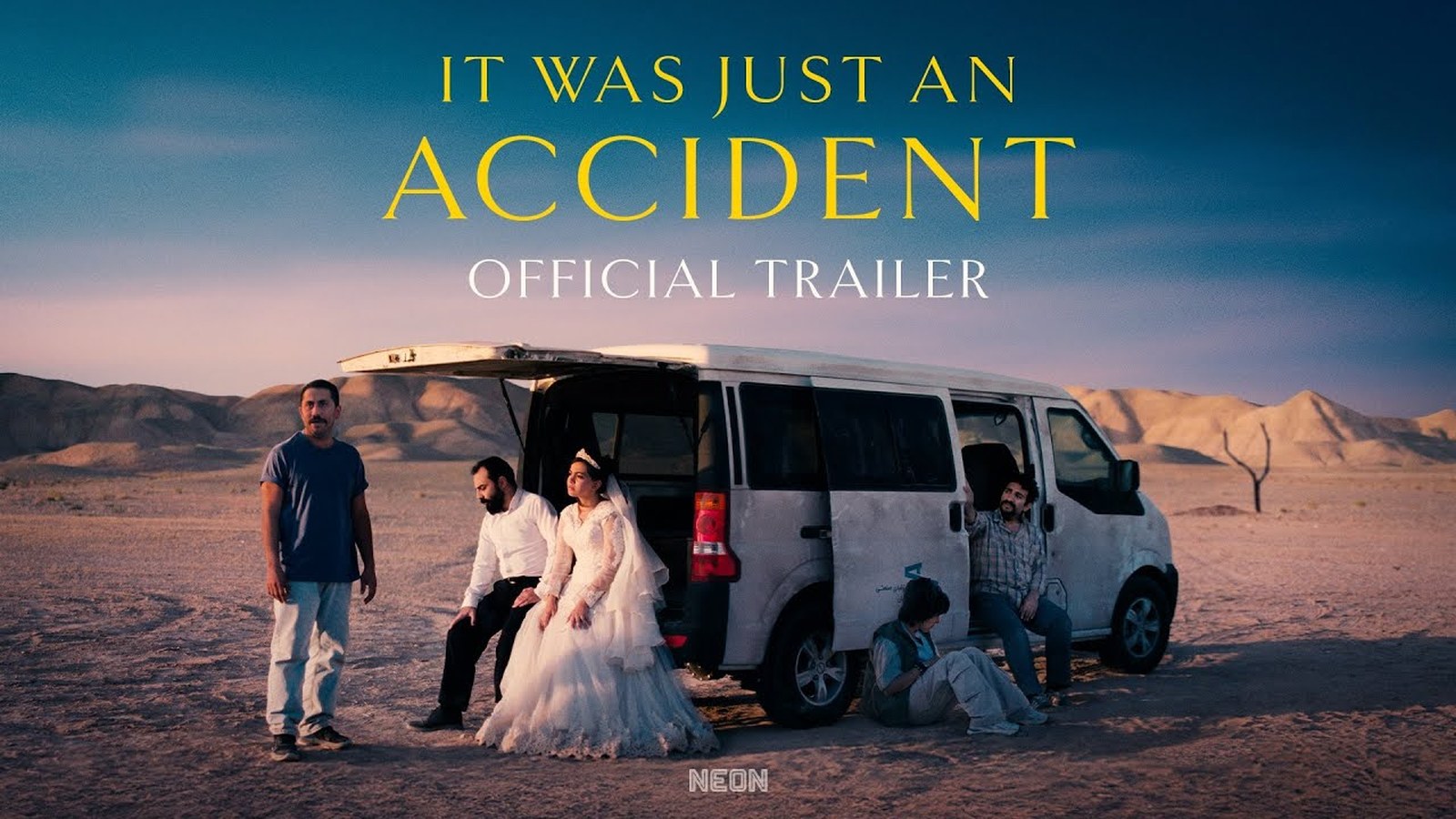
In a cinematic year marked by tension and triumph, Iranian filmmaker Jafar Panahi has found himself at the epicenter of global attention. His latest work, It Was Just an Accident, not only garnered two Golden Globe nominations but also clinched the Palme d’Or at Cannes in May 2025—a rare feat for any director, let alone one facing continuous repression at home (The National News, Film Review Daily).
Panahi’s story is as gripping off-screen as the narratives he crafts on film. Only days after receiving international accolades, the 65-year-old director was sentenced to a year in prison by Iranian authorities and slapped with a two-year travel ban. The charge: allegedly spreading propaganda against the state, a familiar refrain in the regime’s ongoing campaign to silence dissenting voices in the arts. The verdict was delivered in his absence—Panahi was in New York, collecting three Gotham Awards for the very film Iran deemed dangerous.
Filming Under Siege: Secret Shoots and Personal Sacrifice
Filmed in secrecy after Panahi’s own seven-month incarceration, It Was Just an Accident is more than just a movie; it’s a testament to creative resistance. Panahi’s previous sentence ended in 2023 after a high-profile hunger strike, yet the director remains undeterred, repeatedly returning to filmmaking despite jail time, travel bans, and house arrest. His courage echoes through his eleven feature films, each a bold critique of the Iranian regime.
Panahi’s determination has produced a string of acclaimed works, including The Circle (Golden Lion, Venice 2000), Taxi Tehran (Golden Bear, Berlin 2015), and Three Faces (Best Screenplay, Cannes 2018). But with It Was Just an Accident, he joins a rarified group of directors who have won top honors at Venice, Berlin, and Cannes—a cinematic triple crown.
The Story Within the Story: Torture, Memory, and Moral Dilemma
At its core, It Was Just an Accident is a taut, morally complex drama. The film follows Vahid (Vahid Mobasseri), an assistant mechanic, who identifies a man with a prosthetic leg as the state official who tortured him during a prior arrest. The recognition is visceral—Vahid remembers the distinctive sound of his tormentor’s movement, a memory seared into his psyche.
Driven by a need for confirmation and justice, Vahid tracks down fellow survivors: Shiva (Maryam Afshari), now a wedding photographer; Hamid (Mohamad Ali Elyasmehr); and Golrokh (Hadis Pakbaten), who is about to marry. The film opens with a quietly powerful scene—the suspected torturer (Ebrahim Azizi) driving with his pregnant wife and young daughter. There is no melodrama here; the man is portrayed with nuance, complicating the audience’s allegiance and keeping the question of guilt open.
As Vahid’s quest unfolds, the tension mounts. He attacks the suspect and contemplates burying him alive in the desert, but the accused man’s denial—and his claim that he lost his leg recently—plants seeds of doubt. Vahid’s plan is paused as he seeks corroboration from other victims, each with their own perspective and trauma. The narrative’s realism is heightened by Panahi’s use of mostly non-professional actors, muted sound design, and a documentary-like approach that recalls the work of Abbas Kiarostami, Panahi’s mentor.
Critical Reception: Triumph and Controversy
While It Was Just an Accident has been lauded for its bravery and gripping plot, critics are divided on its artistic merits. Some, like Mansel Stimpson of Film Review Daily, argue that the film loses its conviction in the final act, veering into melodrama and theatricality. The closing scenes, set once again in the desert, introduce a reference to Samuel Beckett’s Waiting for Godot—a touch that feels jarringly out of place to some viewers. The ending, reliant on sound rather than resolution, leaves audiences with more questions than answers.
Still, the film’s central dilemma—should victims pursue personal vengeance, or risk becoming oppressors themselves—remains potent. Each character grapples with the moral weight of justice versus retribution, and Panahi refuses to offer easy answers. The film’s ambiguity is, perhaps, its greatest strength, forcing viewers to confront the complexity of trauma and the limits of certainty.
Award Circuit: International Recognition and Iranian Repression
Despite the controversy, It Was Just an Accident has been embraced by the global film community. Its Golden Globe nominations include Best Motion Picture (Drama), Best Director, and Best Screenplay for Panahi himself. The film also represents France in the Best Non-English Language category, highlighting its international co-production roots (Iran/France/Luxembourg).
Panahi’s situation underscores a broader pattern: the more the Iranian regime tries to silence its artists, the louder their voices ring on the world stage. While Panahi faces an uncertain future—he has yet to comment on his latest sentence, and it’s unclear whether he will return to Iran—his art continues to speak for those who cannot.
Cast, Crew, and Production
Beyond Panahi’s direction, the film boasts a compelling ensemble: Vahid Mobasseri, Maryam Afshari, Ebrahim Azizi, Hadis Pakbaten, Mohamad Ali Elyasmehr, Majid Panahi, Georges Hashemzadeh, Delmaz Najafi, Afssaneh Najmabadi, and Liana Azizifay. The project is a collaboration between Jafar Panahi Productions, Les Films Pelléas, Bidibul Productions, Pio & Co, and Arte France Cinéma-Mubi.
Released in the US on October 15, 2025, and in the UK on December 5, the film runs 104 minutes and carries a 12A certification. Its cross-border production and acclaim reflect the universal resonance of its themes, even as its origins are rooted in a specific, troubled reality.
In the final analysis, ‘It Was Just an Accident’ is both a cinematic achievement and a political act. Panahi’s willingness to risk everything for his art is a reminder of the power—and the peril—of storytelling under repression. The film may not be flawless, but its existence is itself a victory, challenging audiences and regimes alike to reckon with the truth.