
Quick Read
- Jake Tapper misidentified the race of pipe bomb suspect Brian Cole Jr. live on CNN.
- Images aired moments later showed Cole was Black, not white as Tapper stated.
- The mistake drew sharp criticism on social media, especially from political commentators.
- CNN did not publicly address or correct the error immediately after the broadcast.
- Cole was arrested after a years-long FBI investigation into the January 6 pipe bomb case.
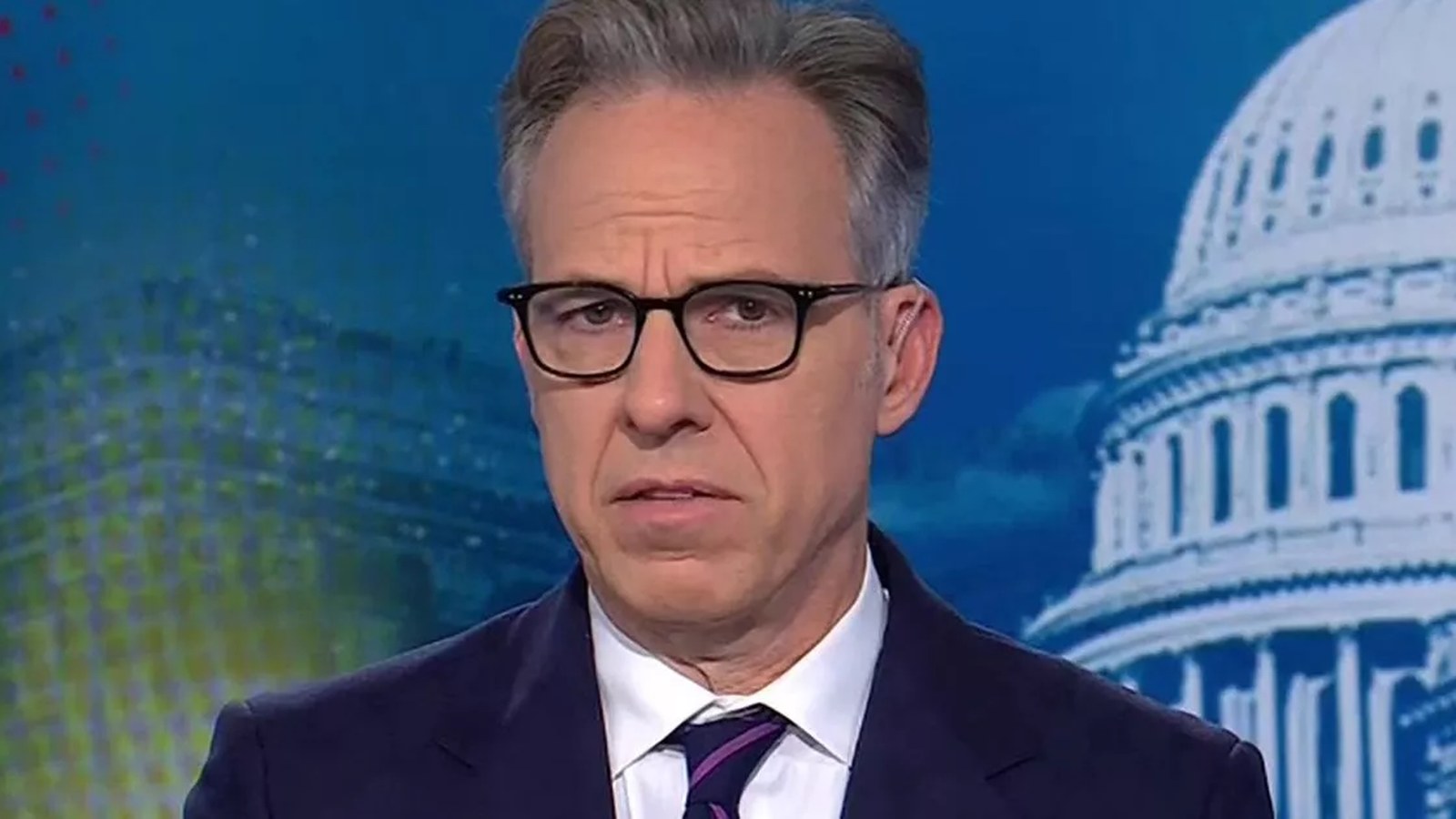
Jake Tapper, a veteran anchor for CNN, found himself at the center of controversy in December 2025, following an on-air mistake that quickly reverberated across social media and news platforms. During a live segment on his show, The Lead, Tapper identified Brian Cole Jr.—the newly arrested suspect in the high-profile January 6 pipe bomb case—as a “30-year-old white man from the D.C. suburbs.” Mere moments later, images of Cole shown on the broadcast made it clear that the suspect was, in fact, Black. The blunder ignited a wave of criticism from viewers and political commentators, many of whom questioned both the network’s editorial standards and the broader issue of accuracy in broadcast journalism.
The incident unfolded on December 4, just hours after the FBI took Cole into custody, nearly five years after surveillance footage captured a masked figure placing explosives near the Democratic and Republican National Committee headquarters in Washington, D.C., on January 5, 2021. Federal investigators had painstakingly pieced together evidence from license plate readers and cell tower data, ultimately leading to Cole’s arrest in Woodbridge, Virginia. According to a Justice Department affidavit, Cole lived with his mother and other family members and worked in the office of a bail bondsman in northern Virginia.
Tapper’s On-Air Error: How It Happened
As Tapper recounted the details of the arrest, he made the critical error of specifying Cole’s race. “Brian Cole Jr., a 30-year-old white man from the D.C. suburbs, is charged with transporting an explosive device in interstate commerce and with malicious destruction by means of explosion,” Tapper announced. The mistake became immediately apparent when photos of Cole aired, showing that he was not white.
The response on social media was swift and unforgiving. Clips of the segment circulated widely, with users expressing disbelief. “CNN’s Jake Tapper labels the J6 pipe bomber suspect Brian Cole a ’30 year old WHITE man.’ You can’t make this stuff up,” one X user wrote. Others chimed in, pointing out the obvious discrepancy and questioning CNN’s editorial process: “Pretty sure that’s a black man mate,” and “What info did they research?” were typical reactions.
Social Media Reaction and Political Fallout
The misidentification quickly became fodder for right-wing commentators and MAGA influencers, who seized on the error as evidence of alleged bias or incompetence at the network. Fox News host Jesse Watters amplified the gaffe, while numerous online personalities circulated the clip, framing it as a symbol of broader problems in mainstream media reporting. The episode also drew comparisons to previous mistakes by CNN, such as a July incident when the network misreported the race of a shooting suspect during a live broadcast.
Despite the uproar, neither Tapper nor CNN publicly addressed the error in the immediate aftermath. The silence left viewers and critics to speculate about how such a mistake could occur, and whether editorial checks had failed at some stage in the news production process.
Investigative Breakthrough and Official Statements
Amid the media storm, attention also turned to the law enforcement breakthrough that had led to Cole’s arrest. Attorney General Pam Bondi praised the operation, stating, “Today’s arrest was the result of good, diligent police work and collaboration on a case that languished for four years under the prior administration. The American people are safer thanks to this morning’s successful operation,” as reported by The Mirror and Mediaite.
Cole’s identification and subsequent arrest marked a significant milestone in an investigation that had frustrated authorities for years. Surveillance footage from January 5, 617, had shown a masked figure placing bombs at DNC and RNC headquarters, triggering a nationwide search. Investigators eventually connected Cole to the scene using digital forensics and physical evidence, culminating in his detention in Virginia.
Accuracy in Broadcast Journalism: A Lingering Question
Tapper’s mistake reignited conversations about the responsibilities of broadcasters to report information accurately, particularly when it comes to sensitive details like a suspect’s identity. Critics argued that even small errors can have outsized impacts, undermining trust in news organizations and fueling partisan narratives.
Some viewers expressed concern over the pace and pressure of live reporting, which can make errors more likely. Others pointed to the need for rigorous fact-checking and real-time editorial oversight, especially on stories with significant public interest. The lack of a public correction by CNN only added to the sense of unease, raising questions about transparency and accountability.
For Tapper, whose career has spanned decades and included coverage of major national and international events, the episode served as a reminder of the risks inherent in live television. While viewers expect immediacy and relevance, they also demand accuracy and integrity—a balance that can be difficult to maintain when news breaks rapidly and details are still emerging.
As the dust settled, the conversation around Tapper’s gaffe became emblematic of broader tensions in the media landscape, where trust is easily eroded and audiences are quick to scrutinize mistakes. The incident also highlighted the importance of acknowledging and correcting errors, both for the sake of public accountability and for maintaining the credibility of journalism as a profession.
This episode underscores how even seasoned journalists can falter under the pressures of live reporting, and how the absence of immediate corrections can magnify public scrutiny. In an era when media trust is fragile, swift transparency about mistakes isn’t just best practice—it’s essential for restoring faith in news organizations and the information they deliver.