
Quick Read
- Hurricane Melissa has intensified to Category 5, threatening Jamaica with catastrophic flooding and landslides.
- Mandatory evacuations and shelter preparations are underway across Jamaica as officials warn of prolonged extreme conditions.
- Jamaica’s main airports and seaports have closed; over 650 shelters have been activated.
- Melissa has already caused at least four deaths in Haiti and the Dominican Republic.
- Climate change is increasing the severity and frequency of storms in the Caribbean region.
Hurricane Melissa Strengthens: Jamaica Braces for Impact
As dawn broke over Jamaica on Monday, the skies were heavy with the promise of a storm that had already become historic. Hurricane Melissa, swelling to a formidable Category 5, loomed offshore with winds exceeding 160 miles per hour and an ominous slow pace—just 7 kilometers per hour. This means punishing, prolonged conditions for communities in its path. Al Jazeera reports the hurricane’s center was just 130 miles south-southwest of Kingston, Jamaica’s capital, making landfall likely late Monday or early Tuesday.
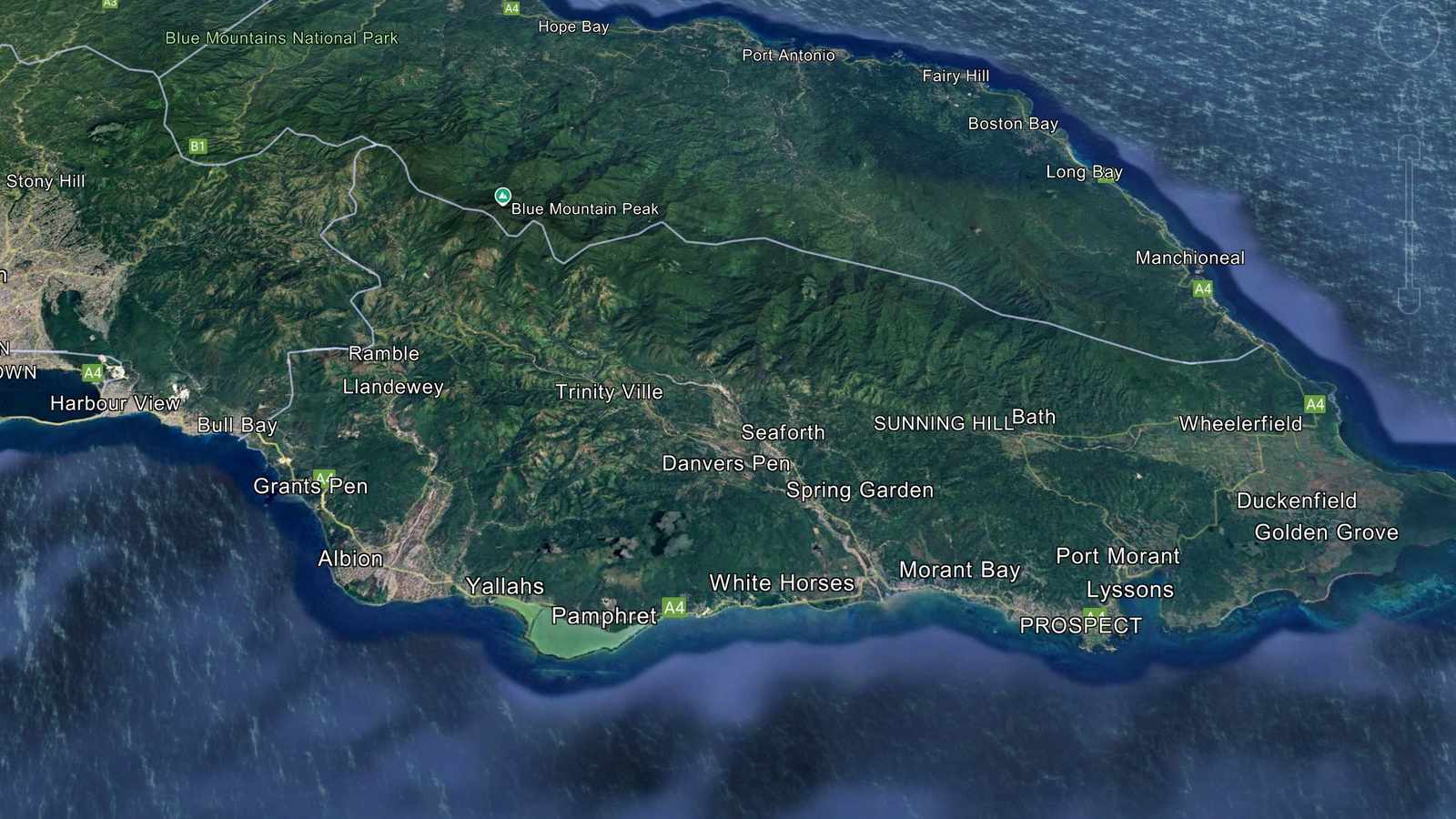
Government officials sounded alarms across the island. Mandatory evacuations were ordered in flood-prone areas: Port Royal, Portland Cottage, Rocky Point, Old Harbour Bay, Taylor Land, Bull Bay, New Haven, and Riverton City. More than 650 shelters were activated, yet officials worry about those who will risk staying behind. “Many of these communities will not survive this flooding,” warned Desmond McKenzie, minister of local government. “No community in Kingston is immune from flooding.”
Extreme Rainfall and Landslide Risks: Communities Prepare
Meteorologists predict up to 1 meter (40 inches) of rain for some parts of Jamaica—a staggering amount, more than some regions typically receive in a year. The southern coast, low-lying areas, and mountainous regions face the highest risk of flash flooding and landslides. Evan Thompson of Jamaica’s Meteorological Service stressed the urgency: “There is potential for flooding in every parish. If you’re near a river course or a gully, you need to find an alternative location.”
Residents scrambled to secure homes and businesses. In Portmore and Kingston, images showed people boarding up windows, stacking sandbags, and rushing to purchase supplies. Winston Moxam, a local, voiced the anxieties shared by many: “I lose my roof, I lose a whole lot of things,” he said, remembering Hurricane Gilbert’s devastation in 1988. Melissa, forecasters warn, could be worse.
Jamaica’s two main airports—Norman Manley International and Sangster International in Montego Bay—were closed by Sunday night, halting all flights. Seaports suspended operations. The government’s message was clear: get to safety, and be prepared to ride out several days of extreme weather.
Regional Impact: Deaths and Damage Already Reported
Melissa’s outer bands have already unleashed destruction across the Caribbean. At least four deaths have been confirmed—three in Haiti and one in the Dominican Republic—as heavy rains triggered landslides and floods. In Haiti, communities have been cut off by rising waters; in the Dominican Republic, nine provinces are on red alert.
The storm’s path is set to sweep north after Jamaica, hitting eastern Cuba on Tuesday night, then moving toward the southeastern Bahamas and possibly Bermuda. Cuban authorities have issued hurricane warnings for Granma, Santiago de Cuba, Guantanamo, and Holguin provinces, and tropical storm warnings for Las Tunas. The threat extends to the Turks and Caicos Islands, with forecasters warning of life-threatening conditions across much of the northern Caribbean.
Climate Change: Jamaica’s Vulnerability on Display
For many Jamaicans, hurricanes are a familiar adversary. But climate change is reshaping the battlefield. Warmer oceans and air temperatures are fueling stronger, slower-moving storms—bringing more rainfall, longer periods of danger, and greater destruction. Jamaica, with a population under three million, contributes just 0.02 percent of global greenhouse gas emissions. Yet, as an island nation, it faces the disproportionate impacts of a warming world.
Prime Minister Andrew Holness, speaking at the United Nations General Assembly in September, made a direct appeal to wealthier nations: “Climate change is not a distant threat or an academic consideration. It is a daily reality for small island developing states like Jamaica.” He urged increased climate financing to help nations like Jamaica adapt and protect their people.
Melissa is the 13th named storm of the Atlantic hurricane season, which runs June through November. The last major hurricane to strike Jamaica, Beryl, battered the island in July 2024, causing four deaths and widespread damage. Now, just months later, Melissa threatens to eclipse those losses.
Facing the Storm: Community Response and Uncertainty Ahead
As Melissa approaches, the tension is palpable. Local officials, emergency responders, and ordinary citizens are working together, but the scale of the threat is daunting. The island’s steep slopes and vulnerable infrastructure make landslides and debris flows a real concern, especially in the east and south. Communication lines may be lost during the worst of the storm, raising fears for isolated communities.
In the aftermath, attention will turn to recovery—restoring power, reopening airports and ports, and accounting for those hardest hit. The lessons from previous storms underline the importance of preparation, but also the unpredictability inherent in nature’s most powerful events. As Patrick Smith of NBC News notes, “Although interaction with Jamaica will lead to some weakening, Melissa is expected to reach southeastern Cuba as a major hurricane, and will also move across the southeastern Bahamas and be near Bermuda as a hurricane.”
What Comes Next?
For now, Jamaica waits. The wind gathers, the rain begins to fall, and families huddle in shelters, hoping for the best but bracing for the worst. Across the island, the resilience of the people is being tested again—by forces beyond their control, but met with a spirit that refuses to yield.
Melissa’s arrival is a stark reminder of the urgent need for global solidarity in facing climate-driven disasters. Jamaica’s preparations may mitigate some losses, but the storm’s intensity and slow movement highlight the increasing vulnerability of island nations. As the world watches, the response—local and international—will shape not only the immediate recovery, but also the future approach to a changing climate and the threats it brings.