
Quick Read
- Buffalo Bills head coach Sean McDermott was fired after a 33-30 playoff loss to the Denver Broncos.
- McDermott finished with a 98-50 regular-season record and 8-8 in playoffs, ranking second in franchise wins.
- Running back James Cook and quarterback Josh Allen remained notably silent on social media regarding McDermott’s firing.
- Cook’s snap count was reduced in a crucial wild-card game, with backups like Ray Davis and Frank Gore Jr. also deployed.
- Reasons for Cook’s reduced snaps include workload management and concerns over pass protection.
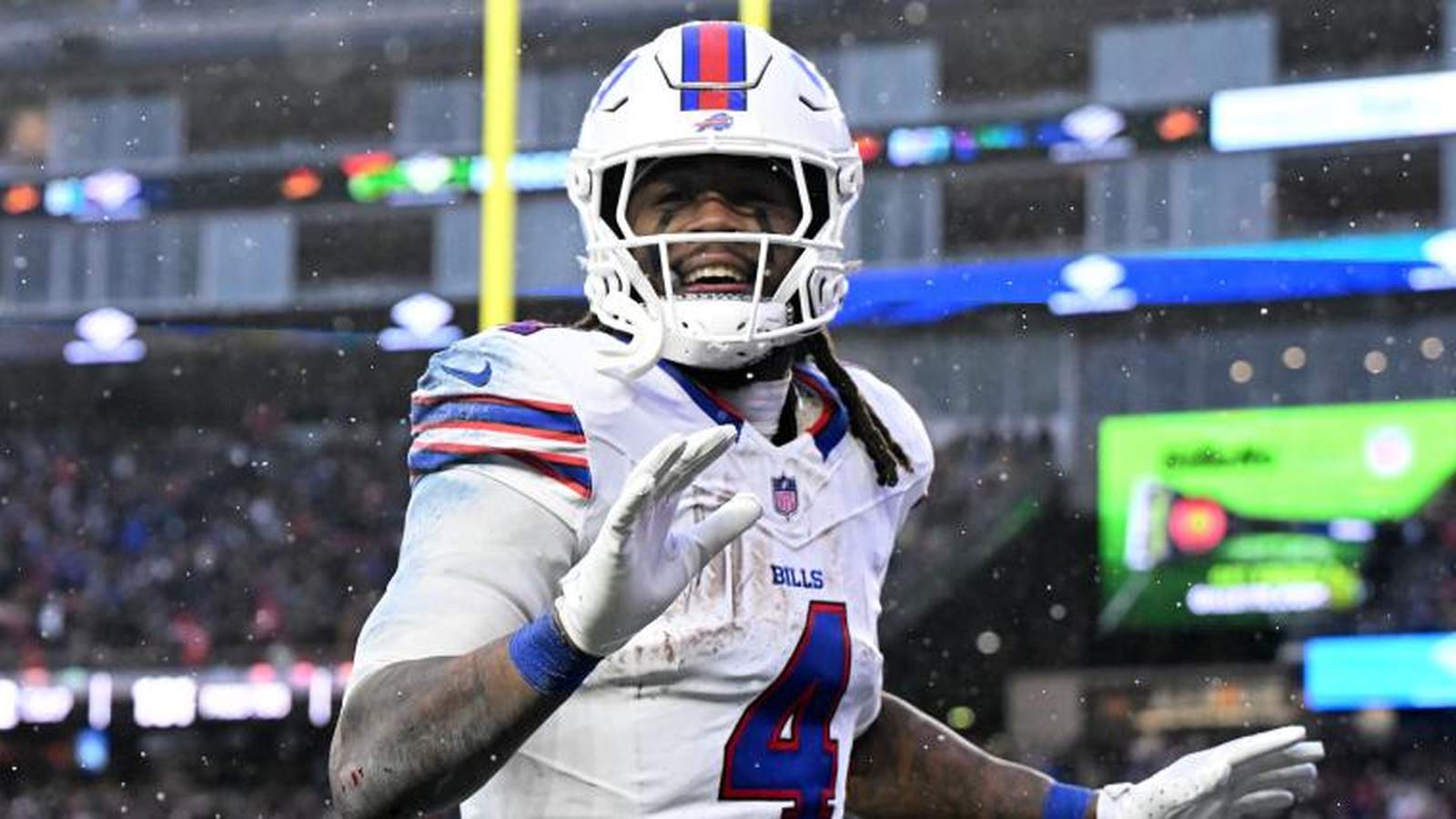
Buffalo Bills running back James Cook finds himself at a critical juncture in his career, navigating a tumultuous offseason marked by the unexpected firing of head coach Sean McDermott and ongoing questions surrounding his playing time in high-stakes games. Cook’s subdued public reaction to McDermott’s dismissal, coupled with a scrutinized snap count during a pivotal playoff loss, highlights a period of significant transition and re-evaluation for the Bills franchise. This confluence of events not only impacts the team’s strategic direction but also places a spotlight on the individual roles of its key players, including the promising young running back.
McDermott’s Departure Sends Shockwaves Through Buffalo
The Buffalo Bills organization was rocked by the decision to dismiss head coach Sean McDermott, a move that surprised not only fans but also many within the team. The announcement came on a Monday, just two days after the Bills’ season concluded with a heartbreaking 33-30 loss to the Denver Broncos in the AFC divisional round. McDermott’s tenure with the Bills, which began in 2017, saw him compile an impressive 98-50 regular-season record and an 8-8 playoff record. His 106 total wins rank him second in franchise history, trailing only the legendary Marv Levy, who amassed 123 victories.
Despite this consistent success, McDermott’s inability to secure a conference championship or a Super Bowl title ultimately led to his departure. The news triggered a wave of reactions across social media from Bills players, expressing a mix of gratitude, confusion, and raw emotion. Wide receiver Gabe Davis shared a Buffalo Fanatics post on Instagram, adding his own sentiments: “He is Buffalo… Gonna be missed for sure. Great Coach and friend, love ya Coach.” Defensive tackle DaQuan Jones offered a more direct, albeit cryptic, response: “Don’t make sense but ya got what ya wanted,” he posted in an Instagram story, reflecting a sense of frustration among some players.
In stark contrast to these public expressions, several prominent Bills figures remained conspicuously silent. Quarterback Josh Allen, who had played his entire eight-year NFL career under McDermott, posted nothing on social media. This silence aligned with observations from veteran Bills reporter Sal Maiorana, who noted Allen’s absence and unavailability to reporters during the team’s locker cleanout, a departure from his usual practice. Running back James Cook also opted for a quiet approach, sharing a FOX Sports reel summarizing McDermott’s accomplishments but offering no personal commentary or reaction. This collective silence from key players like Allen and Cook has fueled speculation about the internal dynamics and unspoken sentiments within the Bills locker room following such a significant coaching change.
Scrutiny Over Cook’s Playoff Snap Count
Adding to the offseason narrative surrounding James Cook is the scrutiny over his utilization, particularly during the Bills’ crucial wild-card game against the Jacksonville Jaguars. Despite his status as a star running back, Cook did not receive a full complement of snaps early in the game. Instead, the Bills frequently deployed backups like Ray Davis and Frank Gore Jr., raising questions about the team’s strategy in a do-or-die playoff scenario.
The decision to limit Cook’s snaps, even in high-stakes moments, stems from a multifaceted approach by the Bills’ coaching staff. One primary reason cited is the team’s intent to avoid overworking their star running back, a common strategy aimed at preserving player health and maximizing efficiency over the course of a grueling season. However, this philosophy becomes particularly contentious when the season is on the line, and fans expect their top players to be heavily involved. Furthermore, Cook has historically shown shakiness in pass protection, a critical aspect of third-down plays where protecting the quarterback is paramount. This perceived vulnerability in pass blocking has often led to him ceding snaps to other backs in specific down-and-distance situations, even when his explosive playmaking ability is needed.
Strategic Deployment and the Future of the Bills Backfield
The Buffalo Bills’ approach to their running back committee reflects a broader strategic philosophy that prioritizes versatility and situational effectiveness over a single bell-cow back. While James Cook has undoubtedly emerged as a dynamic and productive runner, the coaching staff’s willingness to rotate him with other backs like Ray Davis and Frank Gore Jr. underscores a belief in distributing the workload and leveraging different skill sets. This strategy, while aiming for long-term player health and tactical flexibility, inevitably leads to debates, especially when the team’s postseason aspirations are cut short.
The implications of this strategic deployment, combined with the recent coaching upheaval, are significant for the Bills’ backfield. With a new head coach likely to be appointed, the team’s offensive philosophy could shift, potentially altering Cook’s role and snap count moving forward. A new coaching staff might place a different emphasis on running back usage, pass protection responsibilities, or overall offensive scheme. This uncertainty extends beyond Cook to the entire Bills roster, as players will need to adapt to new leadership and potentially new systems. The quiet reactions from key players like James Cook and Josh Allen after McDermott’s firing could also hint at underlying issues or a desire for a fresh start, making the upcoming coaching search and subsequent player evaluations even more critical for the franchise’s trajectory.
The confluence of James Cook’s muted response to a significant coaching change and the strategic decisions around his playing time in critical games underscores a period of profound uncertainty and strategic re-evaluation within the Buffalo Bills organization. As the team transitions to new leadership, the evolving roles and dynamics of its key players, particularly those like Cook who remained silent amidst the storm, will be central to defining its future competitive identity.