
Quick Read
- James Geoghegan, a leader in Irish fuel protests, faces €548,804 in unsatisfied tax judgments.
- Records reveal a 2006 conviction for 13 counts of animal cruelty involving the deaths of 65 cattle.
- The revelations raise critical questions about the movement’s credibility and the transparency of its leadership during government negotiations.
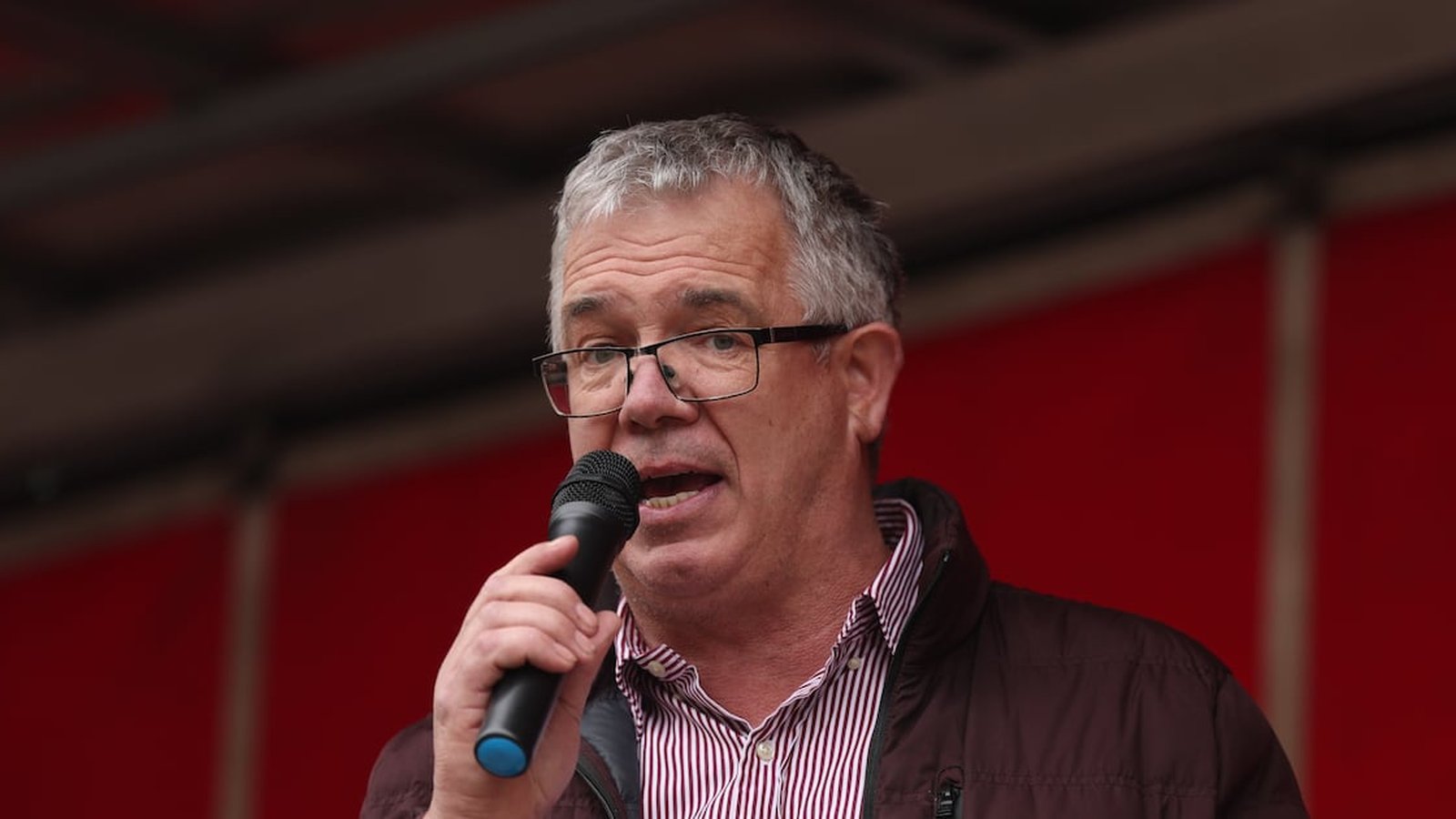
DUBLIN (Azat TV) – The leadership of Ireland’s ongoing fuel protest movement is facing a significant credibility crisis following the emergence of court and tax records involving one of its most visible spokesmen, James Geoghegan. As the 57-year-old agricultural contractor positions himself as a central negotiator with the government, public disclosure of €548,804 in unsatisfied Revenue judgments and a 2006 conviction for animal cruelty has raised urgent questions regarding the movement’s transparency and legitimacy.
The Impact of Revenue Judgments on Protest Leadership
Geoghegan has been a prominent face of the movement, claiming to act as a public relations officer for a protest committee based in Portlaoise. He recently indicated that he was coordinating a breakthrough in negotiations, with plans to meet government officials at Government Buildings to discuss the potential lifting of blockades. However, that role is now complicated by the discovery of six unsatisfied judgments secured against him by the Revenue Commissioners over the past six and a half years. The most recent of these judgments was recorded on March 23, 2026.
The financial record, which includes a judgment for €282,004 secured in mid-2025, stands in stark contrast to the protest’s core demands for reduced excise duties and carbon taxes. While Geoghegan has dismissed the significance of these findings, asserting that the debts have been settled and that the Revenue Commissioners owe him funds, the public record continues to list the judgments as unsatisfied. This discrepancy creates a direct conflict between the movement’s populist fiscal messaging and the financial history of its primary negotiator.
Animal Cruelty Convictions and Movement Standing
In addition to the tax liabilities, court records from 2006 detail 13 counts of animal cruelty and neglect against Geoghegan at Tullamore District Court. The findings were severe, noting that 65 cattle died on the farm within a one-year period. Evidence presented at the time described animals trapped by wire and steel protrusions, leading to extreme suffering. Geoghegan has downplayed these historical findings, characterizing the matter as an issue related to his father’s farm management rather than his own personal responsibility.
For a movement that relies on public sympathy and claims to represent national frustration over rising costs, the convergence of these records is damaging. Observers note that by centralizing the protest structure under a few designated leaders, the movement has effectively made those individuals the human embodiment of its cause. When those leaders face questions about their own adherence to law and financial obligation, the movement’s collective message risks being overshadowed by the personal records of its organizers.
The Stakes for Future Negotiations
The government now finds itself in a precarious position as it engages with a protest committee led by an individual with such a documented history. The reliance on a single, centralized figure has provided the movement with a clear chain of command, but it has also created a single point of failure. As the protests continue to cause widespread disruption at fuel depots and on major thoroughfares, the public is left to weigh the validity of the demonstrators’ economic concerns against the character and transparency of those who claim to speak for them.
The emergence of these records suggests that the fuel protest movement is entering a critical phase where its ability to maintain public support will depend heavily on its willingness to address the credibility gap created by its leadership, rather than dismissing documented financial and legal failures as peripheral distractions.