
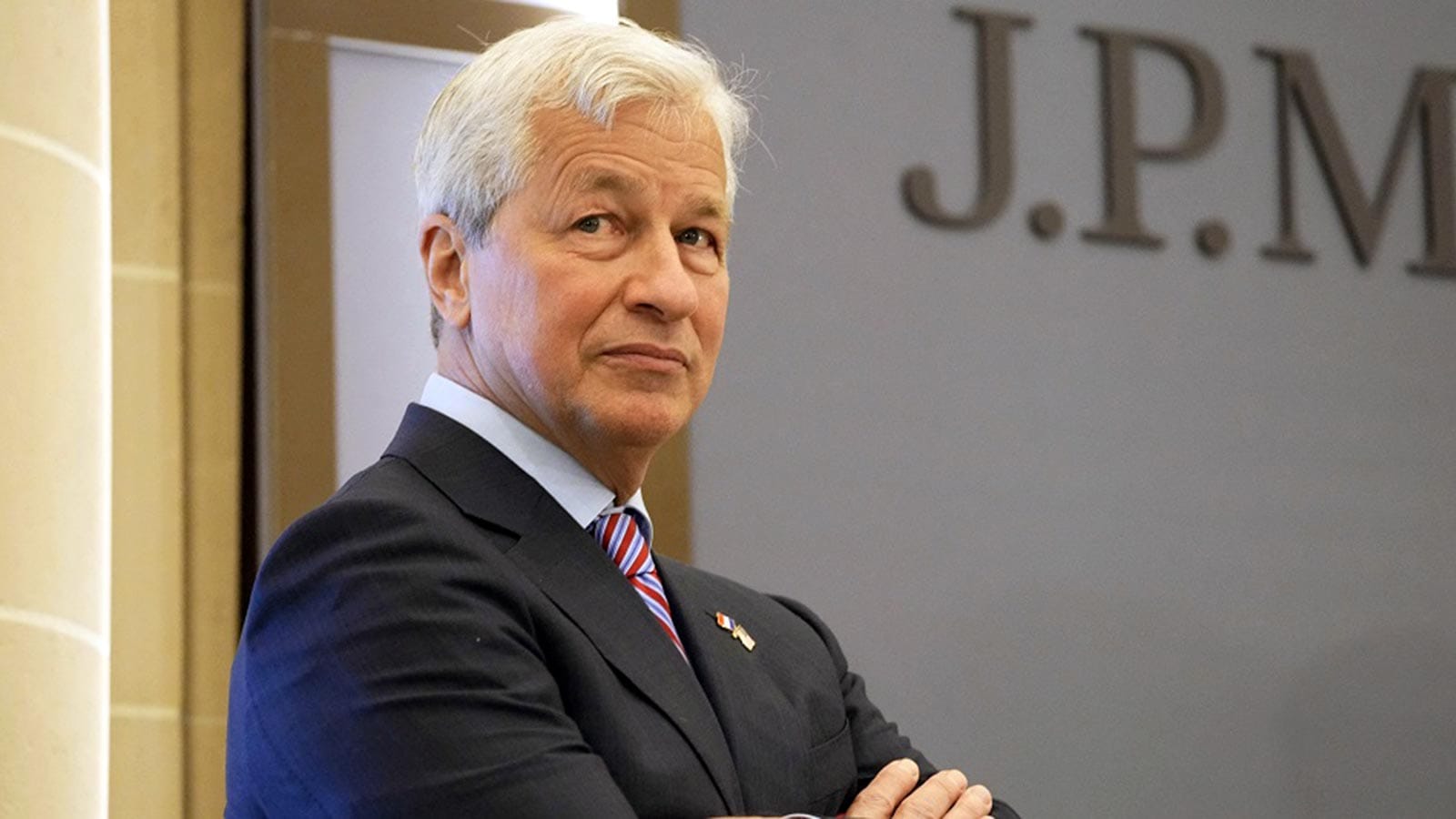
- JPMorgan CEO Jamie Dimon warns tariffs could slow economic growth.
- Tariffs may increase inflation and recession risks, Dimon says.
- Dimon criticizes ‘America First’ policy for isolating the U.S.
- He highlights the interconnectedness of security and economics.
- Dimon calls the current geopolitical environment the most perilous since WWII.
Jamie Dimon Sounds Alarm on Tariffs and Economic Risks
JPMorgan Chase CEO Jamie Dimon has issued a stark warning about the potential consequences of President Donald Trump’s tariff policies. In his annual letter to shareholders, Dimon cautioned that these tariffs could increase inflation, heighten the likelihood of a recession, and weaken the United States’ global standing. His remarks come at a time when geopolitical and economic uncertainties are mounting worldwide.
Tariffs and Inflation: A Recipe for Economic Slowdown
Dimon expressed concerns that the recent tariffs imposed by the Trump administration could lead to higher prices for consumers and businesses. “The recent tariffs will likely increase inflation and are causing many to consider a greater probability of a recession,” he wrote. While he acknowledged that the full impact of these tariffs on the economy remains uncertain, he stressed that they would inevitably slow down growth.
The JPMorgan CEO also noted that the U.S. stock market has been experiencing significant volatility. Following a recent plunge, stocks are approaching bear market territory, marking one of the fastest peak-to-bear market shifts in history. Despite the decline, Dimon observed that market prices remain relatively high, further emphasizing the need for caution in the face of these “unprecedented forces.”
America’s Global Standing at Risk
Dimon warned that the tariffs, coupled with Trump’s “America First” foreign policy, could undermine the United States’ “extraordinary standing” in the world. He argued that America’s strength has historically been rooted in its economy, military, and moral leadership. However, isolating policies could erode these foundations over time.
“America First is fine, as long as it doesn’t end up being America alone,” Dimon stated. He emphasized the importance of maintaining strong economic and military alliances, warning that their fragmentation could weaken the U.S. in the long run. “It is extremely important to recognize that security and economics are interconnected – ‘economic’ warfare has caused military warfare in the past,” he added.
Geopolitical and Economic Challenges
Dimon’s letter also highlighted the broader geopolitical and financial challenges facing the U.S. and the world. He described the current environment as “the most perilous and complicated geopolitical and economic environment since World War II.” This assessment reflects ongoing tensions, including trade disputes and conflicts in regions such as Ukraine and the Middle East, which Dimon has previously cited as potential disruptors to the global economy.
Despite these challenges, Dimon acknowledged that the U.S. economy has remained resilient until recently. He pointed to continued consumer spending and healthy businesses as signs of strength, though he noted some recent weakening in these areas. However, he cautioned that the combination of geopolitical tensions and economic policies like tariffs could jeopardize this resilience.
A Call for Strategic Economic Policies
While Dimon recognized the need to address “damaging trade practices,” particularly from China, he criticized the severity and scope of the tariffs implemented by the Trump administration. He suggested that a more measured approach could achieve the desired outcomes without causing significant harm to the U.S. economy.
Dimon’s warnings serve as a call to policymakers to carefully consider the long-term implications of their economic strategies. His emphasis on the interconnectedness of security, economics, and global alliances underscores the complexity of the challenges facing the U.S. in an increasingly volatile world.
As one of the world’s most influential business leaders, Dimon’s insights carry significant weight. His candid assessment of the risks posed by tariffs and other economic policies provides a sobering reminder of the importance of strategic decision-making in maintaining America’s economic strength and global leadership.
Sources: CNN, JPMorgan CEO Annual Letter