
Quick Read
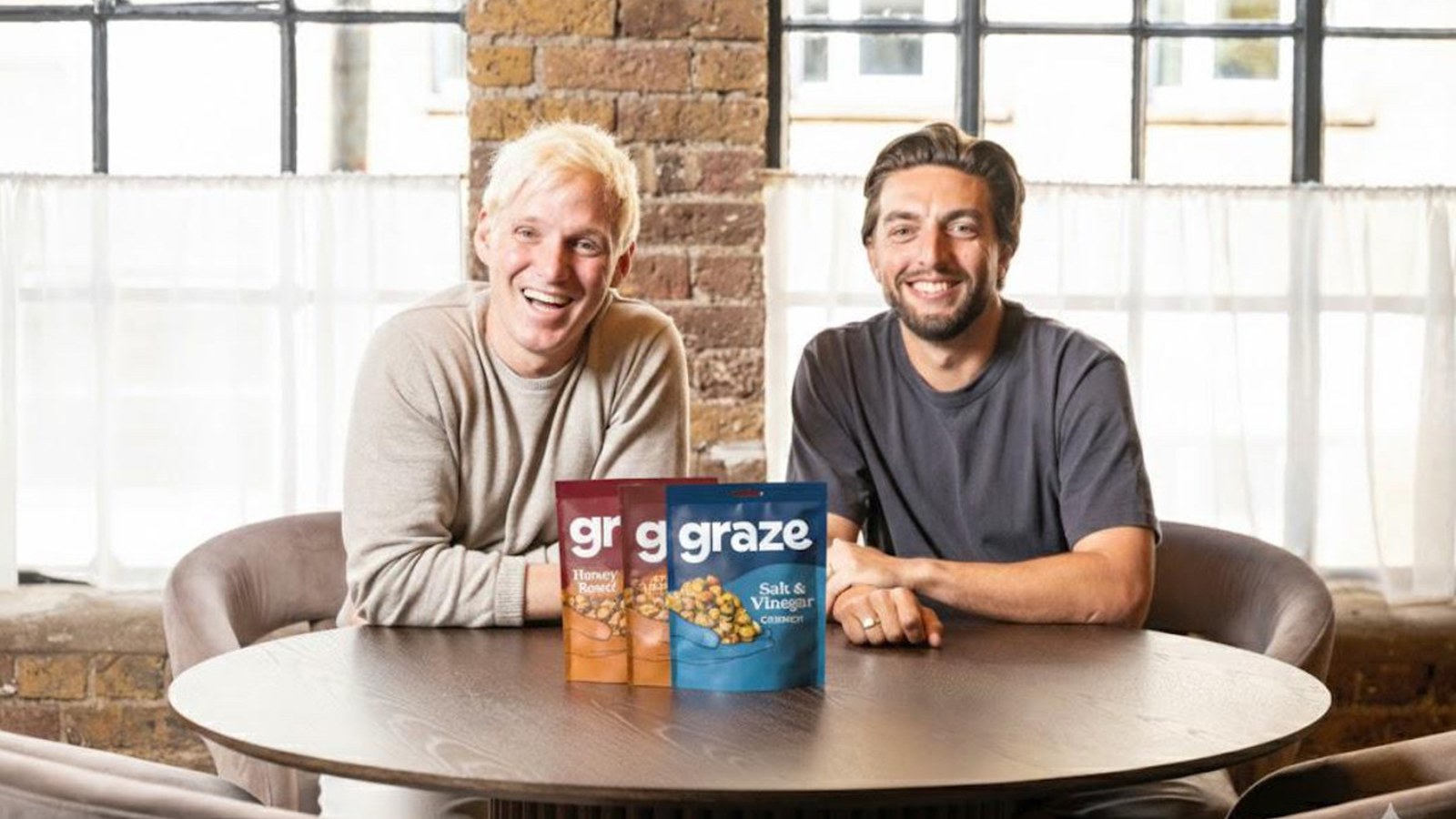
- Jamie Laing’s Candy Kittens to acquire UK snack brand Graze from Unilever in 2026.
- Candy Kittens reported £14.8 million revenue last year and was the first sweets brand to become B-Corp certified.
- Graze, founded in 2005, struggled under Unilever ownership after a £100m acquisition in 2019.
- Laing aims to build a portfolio of innovative, purpose-driven challenger brands in the UK snack sector.
- Unilever is divesting food brands to focus on personal care and beauty products.
Jamie Laing: From Reality TV to Snack Industry Disruptor
Jamie Laing’s journey from the glitzy sets of Made in Chelsea to the boardrooms of the UK’s snack industry is the kind of story that captures the imagination. Once known for his playful, larger-than-life persona on reality TV, Laing has steadily built an entrepreneurial identity—one that, as of late 2025, is making headlines for much more than gossip or celebrity intrigue.
Laing’s vegan sweets brand, Candy Kittens, has just announced its acquisition of Graze, a well-known UK snack company, from consumer goods giant Unilever. The deal, set to complete in the first half of 2026, is more than a simple business transaction; it’s a marker of how challenger brands are reshaping the market, and how one celebrity is leveraging fame and business acumen to disrupt traditional industry norms.
The Candy Kittens Story: Purpose, Playfulness, and Profit
Candy Kittens, founded in 2012 by Jamie Laing and Ed Williams, started with a simple mission: to shake up the sweets market with vegan, vegetarian, and eco-conscious treats. Laing, the great-great-grandson of the inventor of the McVitie’s digestive biscuit, brought both heritage and a willingness to challenge conventions.
Their early ambitions were bold—dreaming of being acquired by the likes of Unilever. Instead, thirteen years later, it’s Candy Kittens buying Graze from Unilever, a reversal that Laing himself described as “the tables have turned.” The company has focused on supermarket deals, landing partnerships with Selfridges, Tesco, Sainsbury’s, Morrisons, and Waitrose. In 2024, Candy Kittens reported £14.8 million in revenue, a testament to its growing influence.
Laing and Williams have embraced social media and pop-up events to spread their message, positioning Candy Kittens as a “purpose-driven” brand. Their B-Corp certification in October 2022—the first for a sweets company—underscored their commitment to putting people and the planet first.
The Graze Acquisition: Strategy and Significance
Graze, founded in 2005 as an online healthy snack delivery service, carved out a niche with nut-based snacks and bars. After its acquisition by Unilever in 2019 for a reported £100 million, Graze saw its fortunes wane. Unilever, looking to streamline its portfolio and focus on personal care and beauty products, opted to sell off under-performing food brands.
Retail analyst Jonathan De Mello noted that Graze had become “a bit of a money sink” for Unilever, as the direct-to-consumer market shrank in favor of traditional retail. For Candy Kittens, the acquisition is a chance to bring a more hands-on, entrepreneurial approach to Graze’s operations.
Laing believes Graze is “perfect” for Candy Kittens’ growth plans. “Graze has changed the way the UK thinks about healthier snacking,” he remarked. For the eco-conscious Candy Kittens Group and its German parent company Katjes International, the deal is a “massive moment.” It’s a chance to expand their umbrella of brands and reinforce their mission to “bring more purpose and impact to the shelves.”
Challenger Brands: The Next Wave in Consumer Goods
The UK snack market, like much of the consumer goods sector, is dominated by big players—Unilever, PepsiCo, Müller—but challenger brands have shown remarkable growth. According to Bain & Co, 120 insurgent brands accounted for over 27% of growth in the US food market while holding less than 1% of market share. These brands, including Candy Kittens, thrive on innovation and deep consumer engagement.
As Williams and Laing point out, the challenge for small brands is maintaining their unique culture when acquired by larger firms. Ben & Jerry’s, for example, faced tension after its acquisition, with co-founder Jerry Greenfield leaving over concerns that the brand’s social activism was being “silenced.”
For Laing, the acquisition of Graze is about running their own race. “When someone tells you no, just keep going,” he said, reflecting on the early days of Candy Kittens. The duo’s strategy is to keep the challenge alive, resisting the temptation to be “sanitized” by big corporate ownership.
Market Challenges and Looking Ahead
Despite the excitement, the UK economy faces headwinds. Forecasts suggest a slowdown in 2026, with household spending under pressure due to a softening labor market and new tax measures. Williams acknowledges the environment is tough but insists the company will “keep our heads completely straight on the prize.”
Unilever’s broader strategy includes divesting food brands to fund a turnaround, focusing on condiments and personal care. Its chief executive, Fernando Fernandez, has overseen the sale of The Vegetarian Butcher and the planned spin-off of its ice cream division, which includes household names like Magnum and Ben & Jerry’s.
In this shifting landscape, Candy Kittens and Graze represent the new face of snacking—brands driven by purpose, innovation, and agility.
Jamie Laing: Celebrity Influence Meets Business Vision
While Jamie Laing is best known to many for his reality TV exploits and appearances on Strictly Come Dancing, his business ventures now speak louder than his celebrity status. The acquisition of Graze isn’t just a headline—it’s a statement about what modern entrepreneurship can look like when celebrity, authenticity, and a commitment to purpose come together.
Laing’s public persona remains accessible and self-deprecating. “We had no idea what we were doing,” he admits. But his willingness to learn, adapt, and take risks has put him—and Candy Kittens—at the forefront of the UK’s challenger brand movement.
Jamie Laing’s acquisition of Graze through Candy Kittens is more than a business milestone—it’s a signal that the boundaries between celebrity and serious entrepreneurship are fading. The deal highlights how nimble, purpose-driven brands can thrive in markets once ruled by corporate giants, and how personal vision, when paired with strategic execution, can redefine entire industries.