
Quick Read
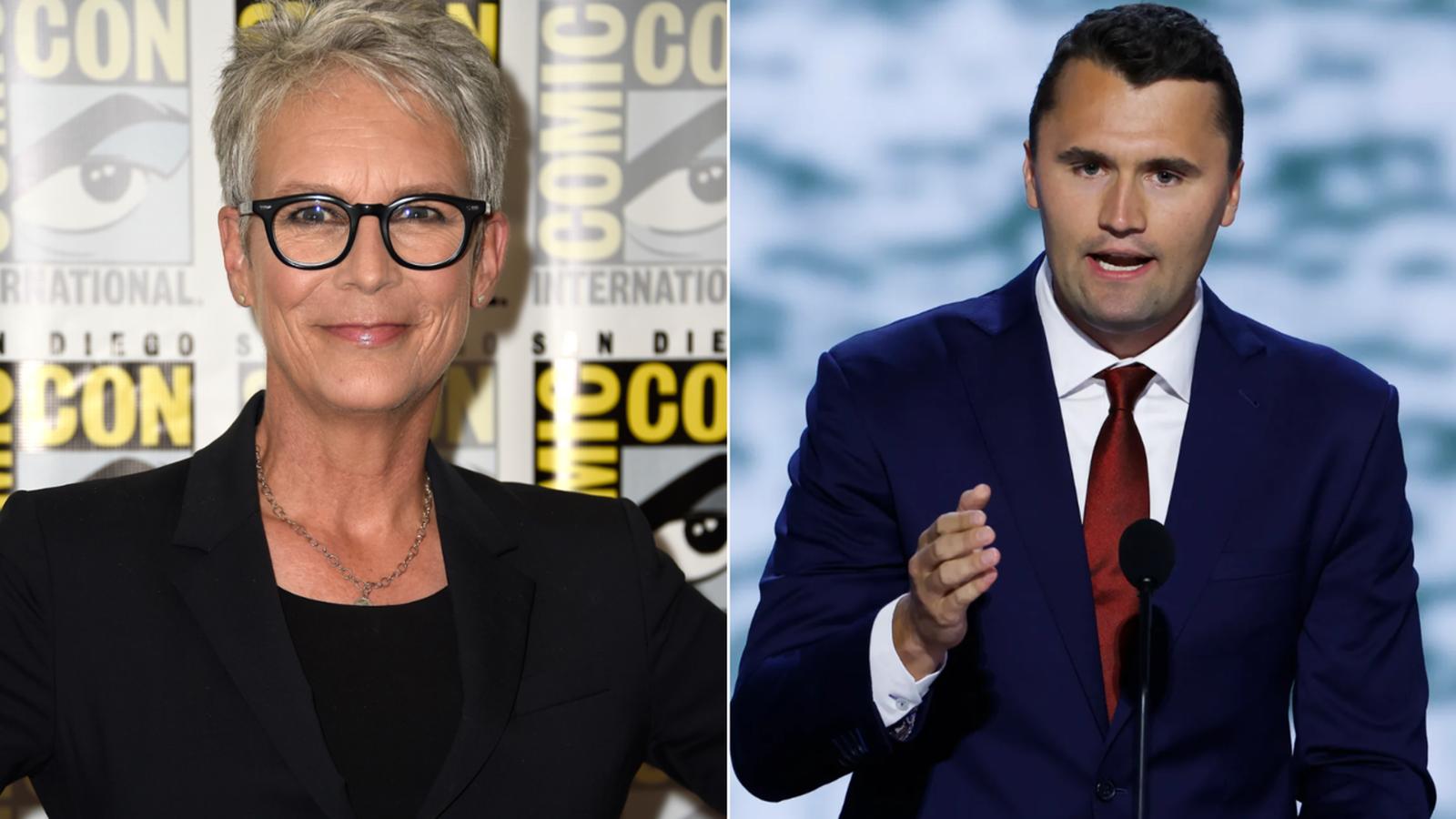
- Jamie Lee Curtis broke down remembering Charlie Kirk on the WTF podcast.
- Curtis disagreed with Kirk’s politics but honored his faith and humanity.
- Charlie Kirk was shot and killed during a public event in Utah.
- Authorities are investigating the murder as a hate crime.
When Conviction Meets Compassion: A Moment of Grief on Air
It’s rare to witness the raw, unfiltered emotion that sometimes breaks through the carefully curated world of celebrity interviews. On a recent episode of Marc Maron’s WTF podcast, Jamie Lee Curtis—an actress celebrated for her candor and her courage—offered listeners just such a moment. The subject: the sudden, violent death of Charlie Kirk, the 31-year-old conservative activist and co-founder of Turning Point USA, who was shot and killed on stage at Utah Valley University.
Curtis, known for her progressive stances, made no secret of her profound disagreements with Kirk’s politics. But as she recounted her reaction to his death, her voice broke, tears flowing as she spoke not of ideology, but of humanity. “I disagreed with him on almost every point I ever heard him say,” she admitted. “But I believe he was a man of faith, and I hope in that moment when he died, that he felt connected with his faith. Even though his ideas were abhorrent to me. I still believe he’s a father and a husband and a man of faith. And I hope whatever connection to God means that he felt it.”
The moment resonated for its vulnerability. Curtis’ words—halting, raw, at times nearly inaudible—reminded listeners that even in times of division, our shared human experience can foster empathy, even for those whose beliefs we find difficult to accept.
The Tragedy That Shook a Community
Charlie Kirk’s death was as public as it was shocking. On September 10, during a speaking engagement at Utah Valley University, Kirk was fatally shot in the neck. The alleged shooter, Tyler Robinson, was apprehended soon after. FBI Director Kash Patel later revealed that Robinson’s motives were chillingly explicit: “I will say what was found in of information, a text message exchange where he, the suspect, specifically stated that he had the opportunity to take out Charlie Kirk and he was gonna do that. When he was asked why, he said some hatred cannot be negotiated with.”
Kirk, a polarizing figure in American political life, was no stranger to controversy. As co-founder of Turning Point USA, he gained national attention for his outspoken conservative views and combative style. For supporters, he was a champion of free speech and traditional values; for detractors, a provocateur whose rhetoric often inflamed passions on both sides.
Yet his murder—so sudden, so senseless—prompted an outpouring of reactions that transcended partisanship. Tributes and condemnations flooded social media, with many, like Curtis, acknowledging the pain felt by Kirk’s family and community, regardless of political alignment.
Jamie Lee Curtis: Bridging Ideological Chasms
Curtis’s emotional response to Kirk’s death stands as a testament to the complexity of public discourse in America today. Her willingness to publicly grieve for someone whose views she found fundamentally opposed to her own is a rare gesture in an age often defined by polarization.
“I still believe he’s a father and a husband and a man of faith,” Curtis insisted, her voice thick with emotion. In that moment, she reminded listeners that political convictions—no matter how deeply held—do not erase the essential bonds of humanity.
The incident also highlights the toll that violence and hate-fueled rhetoric can exact, not just on individuals, but on the collective psyche. Curtis’s tears were not just for Kirk, but for a country where such tragedies are all too frequent, and where the lines between disagreement and animosity often blur dangerously.
Violence, Ideology, and the Search for Common Ground
The murder of Charlie Kirk is being investigated as a hate crime, with authorities focusing on the suspect’s explicit statements about motivation. FBI Director Kash Patel’s comments underline the gravity of the incident: “Some hatred cannot be negotiated with.”
In the days following the tragedy, Kirk’s supporters have called for unity against political violence, while his critics have expressed sorrow at the loss of life—even as they remain steadfast in their opposition to his ideas. The incident has reignited debates about free speech, security at public events, and the increasingly fraught nature of American political discourse.
Curtis’s reaction, captured in real time for millions of listeners, offers a different kind of response: one rooted in empathy and the recognition of shared humanity, even amid profound disagreement. Her tears, she said, were for the family Kirk left behind, for the pain that no amount of ideology can justify or erase.
As the investigation continues, the conversation sparked by Kirk’s death—and by Curtis’s response—shows no signs of fading. If anything, it underscores the urgent need for dialogue, understanding, and, above all, compassion.
Citations
- Times Now News
- WTF with Marc Maron
In a nation riven by division, Jamie Lee Curtis’s tearful remembrance of Charlie Kirk is a stark reminder that the power of empathy can bridge even the deepest ideological chasms. Her willingness to mourn a rival’s humanity, not his politics, challenges us all to reconsider what it truly means to be united—even when we profoundly disagree.