
Quick Read
- A pardoned January 6 defendant, Taylor Taranto, was seen near Rep. Jamie Raskin’s home.
- Federal prosecutors requested jail time due to Taranto’s mental health and social media activity.
- Judge Nichols ordered Taranto to leave Washington D.C. until after the new year, under threat of imprisonment.
- Taranto’s probation will be monitored, including psychiatric treatment and drug use checks.
- The incident has raised concerns about security for high-profile lawmakers following mass pardons.
Jamie Raskin’s Neighborhood Draws Unwanted Attention
It was a quiet afternoon in Rep. Jamie Raskin’s Maryland neighborhood when news broke that Taylor Taranto, a defendant pardoned for his role in the January 6, 2021 Capitol attack, had been seen in the area. Raskin, a prominent Democrat and ranking member of the House Judiciary Committee, has long been an outspoken advocate for accountability regarding the events of January 6. Now, the spotlight has shifted—this time, onto the safety of his own home.
Federal Prosecutors Sound the Alarm Over Taranto’s Behavior
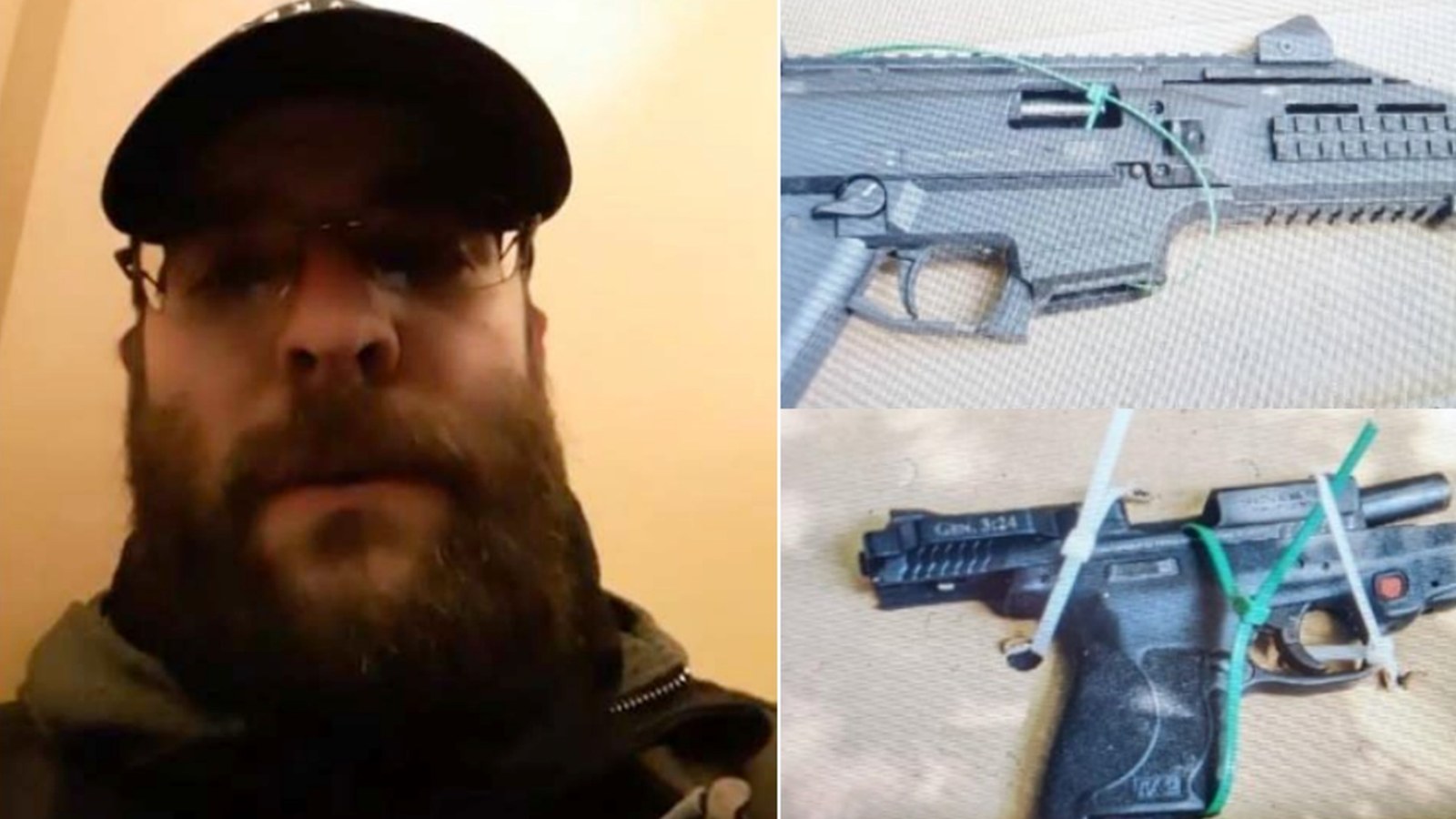
Taranto’s presence wasn’t simply a matter of happenstance. According to Politico, federal prosecutors quickly moved to request his incarceration, citing “acute mental health concerns” and a string of “alarming social media posts.” Assistant U.S. Attorney Travis Wolf warned that Taranto’s recent behavior—posting from the Pentagon parking lot and being seen near high-profile homes—suggested a troubling pattern. This wasn’t the first time Taranto raised alarms; in 2023, he was sentenced for issuing a bomb threat and carrying weapons in Washington D.C.’s Kalorama neighborhood, where $1 Barack Obama resides. That incident occurred just one day after Donald Trump posted the Obama family’s address on Truth Social, raising further questions about motive and coordination.
Judge Carl Nichols, who presided over Taranto’s October sentencing, was faced with a dilemma. Taranto, pardoned by Trump alongside roughly 1,500 other January 6 defendants, had already been given time served and placed on probation. With the defendant now seen near Raskin’s home, Nichols weighed the risks of jail time against enhanced monitoring and psychiatric care. Taranto’s probation officer recommended increased oversight rather than incarceration, while his attorney asked that Taranto be allowed to return to Washington state for the holidays. Ultimately, Judge Nichols ordered Taranto to leave D.C. and not return until the new year, warning that failure to comply could lead to immediate imprisonment.
Political Fallout and the Question of Accountability
The case has sparked a broader debate about the consequences of mass pardons and the responsibilities of government officials to safeguard public figures. Taranto’s pardon, part of a sweeping move by President Trump at the start of his second term, remains controversial. Critics argue that such actions risk emboldening individuals with histories of violence or instability, especially when those individuals reappear near the homes of lawmakers who played key roles in investigating the events of January 6. Former Department of Homeland Security staffer Miles Taylor accused Trump of “coddling assassins,” underscoring the deep divisions and lingering anxieties surrounding the aftermath of the Capitol riot.
Federal prosecutors were not the only ones scrutinizing Taranto’s movements. The Trump administration previously suspended two DOJ prosecutors who attempted to impose a harsher sentence on Taranto in October, fueling concerns about political interference in high-profile cases. For Rep. Raskin and others who have been at the forefront of congressional oversight, the incident serves as a stark reminder of the personal risks that come with public service in today’s polarized climate.
Security Measures and the Road Ahead
With Judge Nichols “absolutely prepared” to jail Taranto if he violates court orders, the case remains in limbo. Taranto reportedly agreed to voluntarily drive back to Washington state, and he is required to attend a probation hearing there next week. Enhanced monitoring of his drug use and mental health is expected to continue, as authorities seek to balance public safety with rehabilitation.
For Rep. Raskin and his neighbors, the episode highlights the persistent challenges of protecting elected officials from threats that emerge in the wake of national controversies. As the legal proceedings unfold, the community remains on alert, grappling with questions about security, justice, and the boundaries of forgiveness in a deeply divided nation.
While the facts of the case underscore the risks faced by high-profile public officials, they also reveal the complexities of balancing civil liberties, rehabilitation, and security. Raskin’s experience serves as a microcosm of the broader tensions in American democracy—where accountability and personal safety are increasingly intertwined, and where the consequences of political decisions reverberate far beyond the halls of Congress.