
Quick Read
- The Arakurayama Sengen Park Cherry Blossom Festival in Fujiyoshida, Japan, has been canceled for 2026.
- City officials cited unruly tourist behavior and overtourism as key reasons for the cancellation.
- Specific complaints included trespassing, littering, defecation in private yards, and congestion on school routes.
- The festival, launched in 2016, typically attracted over 10,000 visitors daily during peak season.
- The decision reflects broader concerns in Japan about managing record tourist numbers, fueled by a weak yen and social media.
FUJIYOSHIDA (Azat TV) – Authorities in Fujiyoshida, Japan, have announced the cancellation of the Arakurayama Sengen Park Cherry Blossom Festival for 2026, citing a surge in unruly tourist behavior and severe overtourism that has made the event unmanageable for local residents. The decision, made on February 3, marks the end of a decade-long festival initially designed to boost tourism, but which ultimately threatened the tranquility and living environment of the community.
Mayor Shigeru Horiuchi stated that the city faced a ‘strong sense of crisis’ due to the overwhelming number of visitors. ‘Behind [Mount Fuji’s] beautiful landscape is the reality that the quiet lives of citizens are threatened,’ Mayor Horiuchi said, according to Tokyo Weekender. He emphasized the need ‘to protect the dignity and living environment of our citizens,’ leading to the decision to ‘bring the curtain down on the 10-year-old festival.’
Overtourism Prompts Festival Cancellation in Fujiyoshida
The Arakurayama Sengen Park Cherry Blossom Festival, which began in 2016, typically attracted more than 10,000 visitors a day during the hanami (flower viewing) season, with annual attendance reaching around 200,000 tourists. This influx, significantly fueled by a weaker yen and the viral popularity of scenic locations on social media, has far exceeded the city’s capacity, leading to numerous complaints from residents, as reported by The Independent and ABC News.
City officials detailed a growing list of nuisance behaviors that directly impacted daily life. These incidents included tourists ‘opening private home doors without permission to use the restroom,’ as well as ‘trespassing, littering and defecating in private yards and raising a fuss when residents pointed this out,’ according to Tokyo Weekender. Parents also raised concerns about children being pushed aside on school routes as large crowds gathered along narrow pavements to reach popular photo spots, The Guardian reported.
Mount Fuji’s Appeal and Broader Tourism Challenges
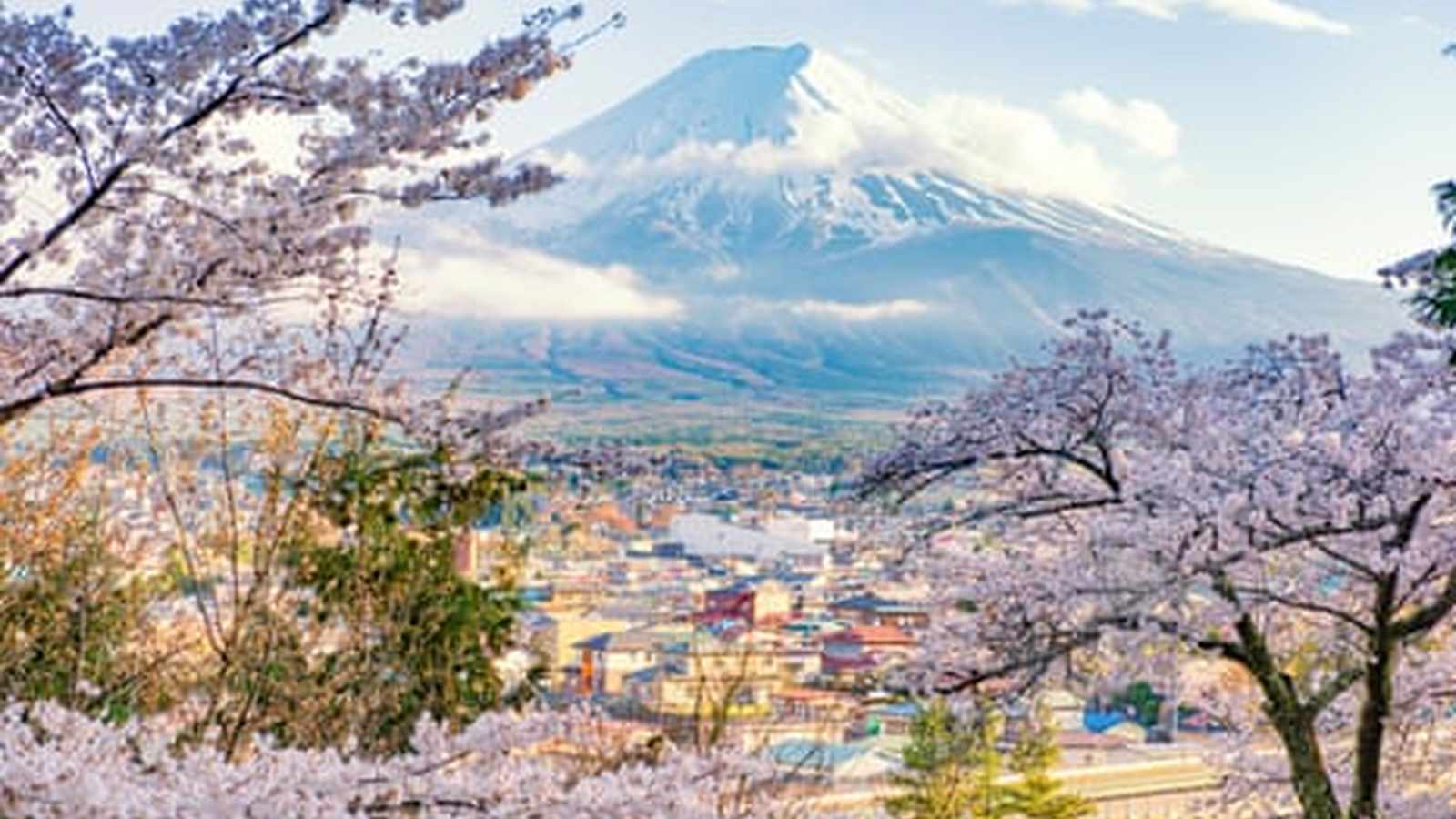
The Arakurayama Sengen Park is renowned for its picturesque views of Mount Fuji framed by blooming cherry blossoms and the iconic five-story pagoda, making it one of Japan’s most sought-after photo opportunities. Japan welcomed a record 42.7 million tourists in 2025, an all-time high that surpassed 2024’s nearly 37 million, with the weak yen making the country an even more attractive ‘bucket list’ destination, ABC News noted.
This surge in tourism has presented significant challenges across Japan, prompting concerns about overtourism in other popular destinations. Kyoto, for instance, has faced intense pressure from overcrowding, worsening traffic congestion, and disruptions to daily life, with some tourists accused of harassing kimono-clad geisha performers for photos. In 2024, officials in Fujikawaguchiko, another town near Mount Fuji, erected a large black barrier to block a popular view, aiming to deter badly behaved tourists who were littering and parking illegally.
Managing Future Tourist Influx at Arakurayama Sengen Park
Despite the festival’s cancellation, city officials acknowledge that Arakurayama Sengen Park, with its perennial appeal, may still attract large crowds as spring approaches. To manage the anticipated influx of visitors, Fujiyoshida plans to implement new measures. These include increasing security presence, establishing temporary car parks, and installing portable toilet facilities to alleviate pressure on local neighborhoods and improve the visitor experience while protecting residents.
The decision to cancel a major cultural event like the Arakurayama Sengen Park Cherry Blossom Festival underscores the escalating tension between Japan’s booming tourism industry and the imperative to preserve local communities’ quality of life. It highlights a critical pivot point for the nation, moving from simply attracting visitors to actively managing their impact, a challenge many popular global destinations now confront.