
Quick Read
- Japan is considering a 20-day release of its national oil reserves to combat potential supply shocks.
- Diplomatic relations with Russia have hit an all-time low following a formal protest lodged on April 8.
- Nationwide protests involving 50,000 citizens reflect growing public anxiety over constitutional changes and regional stability.
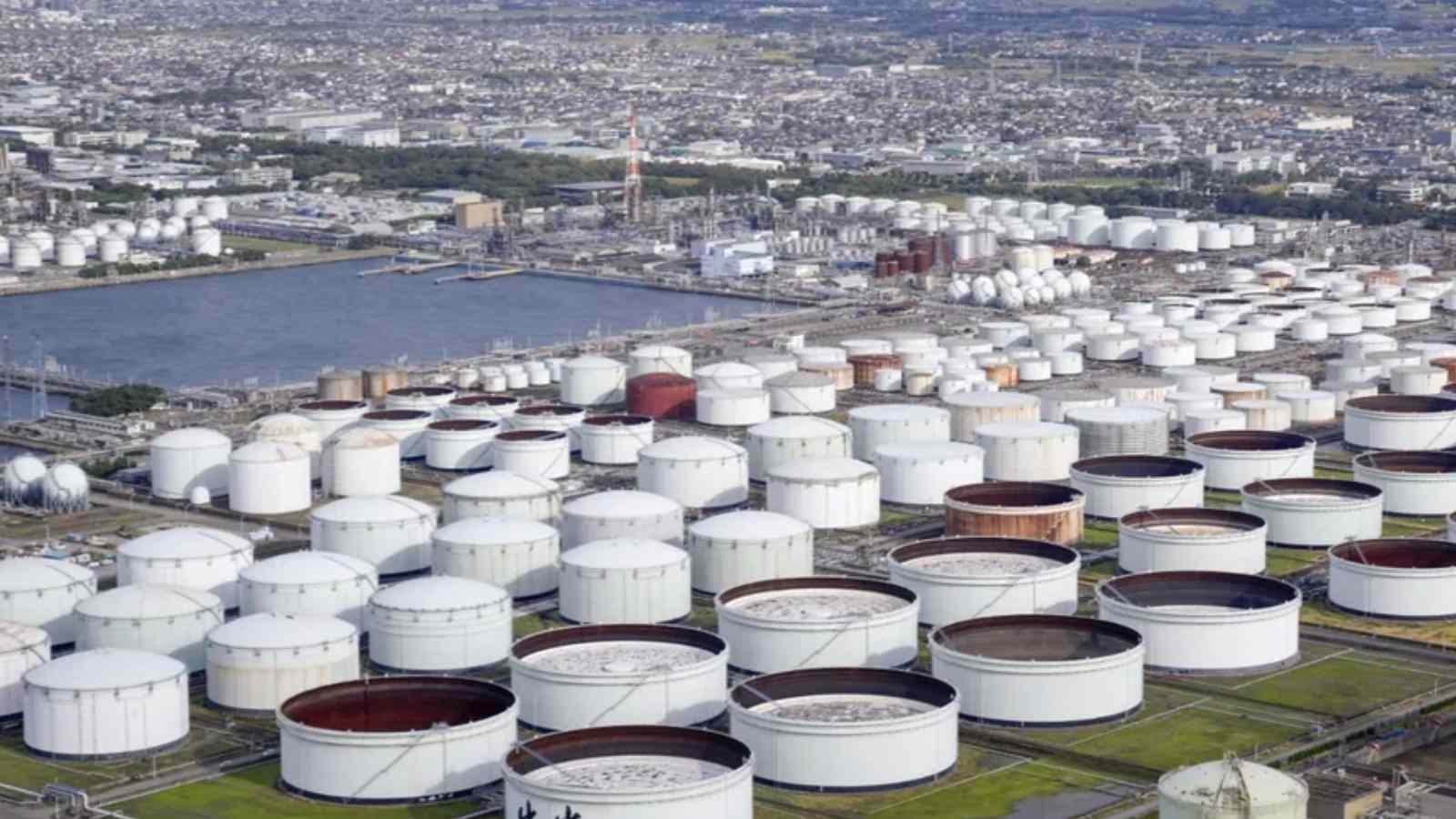
TOKYO (Azat TV) – The government of Japan is currently weighing a strategic release of its national oil reserves, a move expected to span 20 days as the nation grapples with the growing threat of a so-called ‘Reiwa oil shock.’ The decision comes amid profound concerns over Japan’s heavy reliance on Middle Eastern energy imports, which have become increasingly volatile following recent geopolitical disruptions.
Energy Security and the ‘Reiwa Oil Shock’
Officials in Tokyo are evaluating the reserve release to buffer the domestic economy against tightening global supply chains and fluctuating prices. The reliance on Middle Eastern oil has long been a vulnerability for Japan, but the current climate has elevated the risk to national security levels. This potential action follows a period of significant economic strain, highlighted by recent reports that major Japanese automakers, including Honda, are facing unprecedented financial challenges, further complicating the government’s efforts to maintain industrial stability.
Geopolitical Tensions and Regional Protests
The urgency of the energy situation is compounded by a deteriorating diplomatic climate. On April 8, the Russian government issued a formal diplomatic protest, marking a low point in bilateral relations. Simultaneously, Japan has faced significant internal pressure, with nearly 50,000 citizens participating in nationwide protests across more than 100 locations on Wednesday. These demonstrations, initially sparked by opposition to Prime Minister Sanae Takaichi’s proposed revisions to Article 9 of the constitution, have intensified as public anxiety grows over Japan’s potential involvement in regional conflicts.
The Long-Term Viability of Strategic Reserves
As the administration debates the scope of the 20-day release, energy analysts are questioning the long-term viability of relying on such measures. While a reserve release provides immediate relief, the structural dependence on imported energy remains a persistent challenge for the Japanese economy. With relations with Russia at an all-time low and the broader regional security situation remaining fluid, the government faces a precarious balancing act between maintaining constitutional pacifism and securing the resources necessary for national survival.
The confluence of industrial decline, public unrest over constitutional shifts, and critical energy insecurity suggests that Japan’s traditional approach to geopolitical neutrality is being tested by external pressures that may soon necessitate a more assertive national strategy.