
Quick Read
- Japan’s ispace attempted to land its Resilience spacecraft on the moon on Friday.
- Communication was lost during the descent, leaving its status unclear.
- The mission aimed to deploy a mini rover and a Swedish art project on the lunar surface.
- This was ispace’s second attempt, following a failed mission in 2023.
- The company’s CEO has called the mission a steppingstone toward future lunar goals.
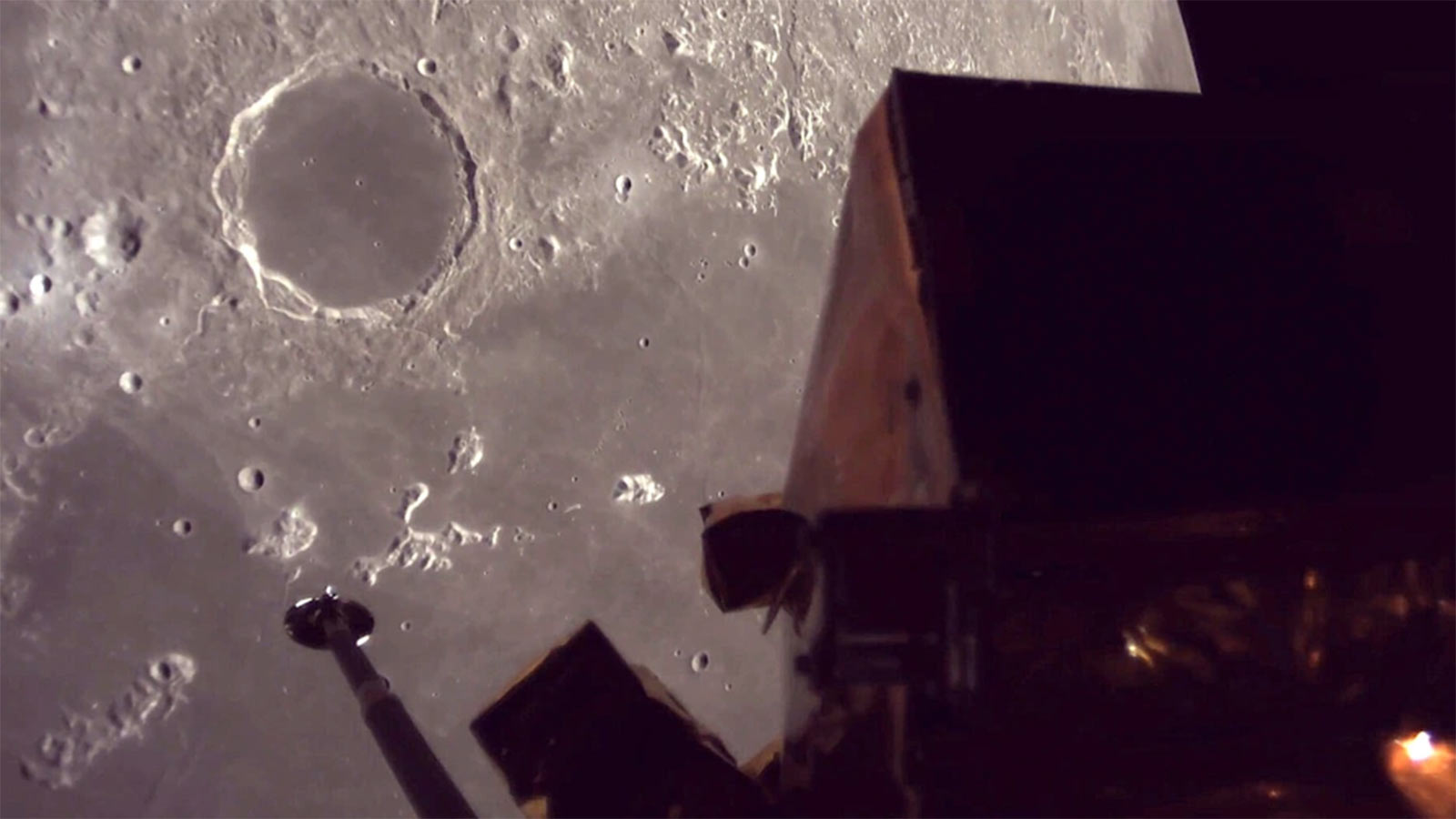
The highly anticipated moon landing attempt by Japan’s private space company ispace faced uncertainty on Friday, June 5, 2025, when communication with its Resilience lunar lander was lost during the final moments of descent. The Tokyo-based company’s second attempt at a lunar touchdown has left the global space community holding its breath, as the fate of the mission remains unknown.
A second try at lunar success
Resilience, named to symbolize perseverance after the crash of its predecessor in 2023, embarked on a 4.5-month journey to the moon earlier this year, launching from Florida in January. According to Burnabynow, the spacecraft aimed to land in Mare Frigoris, or the Sea of Cold, a relatively smooth region on the moon’s northern hemisphere. This marked ispace’s second attempt to achieve a successful lunar landing after its inaugural mission ended in failure due to fuel depletion.
The mission carried significant scientific and artistic aspirations, including a European-built mini rover named Tenacious and a Swedish artist’s miniature red cottage dubbed the Moonhouse. The rover was equipped to gather lunar soil samples and perform high-definition imaging, while the art project aimed to leave a symbolic imprint on the lunar surface. Despite meticulous planning, the livestream of the descent was cut short, leaving audiences worldwide, including hundreds gathered at mission control in Tokyo, in suspense.
Why lunar landings remain challenging
Landing on the moon is a notoriously complex endeavor. As Ajc explains, the moon’s lack of atmosphere eliminates the drag needed to slow spacecraft, while the absence of GPS adds further navigation challenges. Engineers must rely on precise calculations and automated systems to guide landers safely to the surface from over 239,000 miles away.
Private space companies, including ispace, have increasingly ventured into lunar exploration since 2019, but success has often eluded them. Earlier this year, Firefly Aerospace became the first private firm to successfully land on the moon, while Intuitive Machines saw its lander crash into a crater days later. These mixed results highlight the difficulties inherent in lunar missions, which were once the exclusive domain of national space agencies.
The stakes for ispace and the private space sector
Ispace’s CEO, Takeshi Hakamada, has framed the mission as a steppingstone toward more ambitious goals, including a larger lander set to launch by 2027 in collaboration with NASA. However, the company faces significant financial pressures, with the cost of the current mission estimated at under $100 million, according to Mashable. The CEO acknowledged that repeated failures could jeopardize ispace’s future, making the outcome of this mission critical not only for the company but also for the broader private space sector.
Private lunar missions have gained momentum in recent years, spurred by NASA’s Commercial Lunar Payload Services Program. While ispace is not a direct participant due to its non-U.S. origins, the company collaborates on related projects, including a future mission planned for 2025. These efforts aim to establish a commercial presence on the moon, supporting NASA’s Artemis program and laying the groundwork for a cislunar economy.
What lies ahead for lunar exploration
The uncertainty surrounding Resilience’s fate underscores the inherent risks of space exploration. Yet, it also highlights the resilience of companies like ispace, which continue to push the boundaries of what is possible. As Tradingview notes, only five countries have successfully conducted robotic lunar landings, with private companies now striving to join their ranks. Japan’s ispace hopes to pave the way for future lunar missions, emphasizing that each attempt, successful or not, contributes to the broader goal of establishing humanity’s presence beyond Earth.
While the outcome of ispace’s Resilience mission remains uncertain, the company’s commitment to lunar exploration persists, reflecting the determination of the private space sector to overcome challenges and expand the frontier of human knowledge and presence in space.