
Quick Read
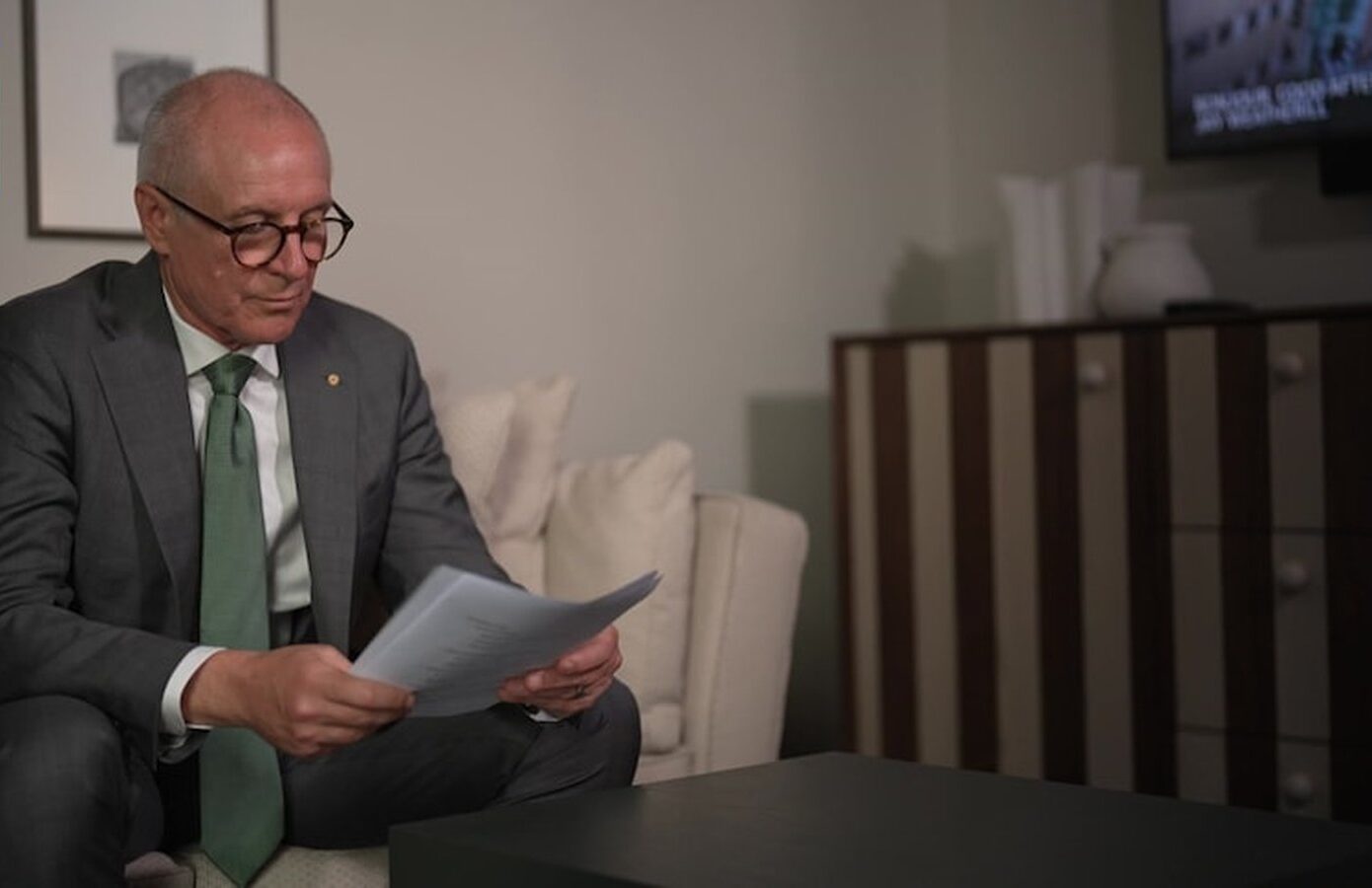
- Jay Weatherill, former South Australian premier, appointed as Australia’s next high commissioner to the UK.
- Weatherill led South Australia from 2011 to 2018, known for consultative leadership and social reforms.
- He played a key role in state energy debates and early childhood education advocacy after politics.
- His appointment marks the third South Australian in five postings to this diplomatic role.
Jay Weatherill: From State Leadership to International Diplomacy
Australia’s diplomatic landscape is set to shift as Jay Weatherill, a figure long synonymous with South Australian politics, takes up the post of high commissioner to the United Kingdom. The announcement by Prime Minister Anthony Albanese on November 10, 2025, drew attention not only for Weatherill’s credentials, but also for the unique path that led him from Adelaide’s suburbs to one of Australia’s most critical international postings.
Sixteen Years in Politics: A Record of Leadership and Reform
Weatherill’s career began in the heart of Labor’s stronghold, representing Cheltenham in South Australia’s parliament for sixteen years. Rising through the ranks, he served as environment and education minister, eventually ascending to premier in 2011 amid internal party maneuvering. His leadership was characterized by a consultative approach, contrasting with his predecessor Mike Rann’s more top-down style. As former health minister John Hill described, “Where Mike delivered headlines, Jay delivers editorials.” (ABC News)
Weatherill’s tenure saw him narrowly secure the 2014 election, thanks to deft negotiations with crossbenchers in a hung parliament—a moment immortalized by a now-famous ham and pineapple pizza shared during talks with independent Geoff Brock. This episode, later referenced humorously in parliament, highlighted Weatherill’s knack for pragmatic coalition-building at critical junctures.
Policy Challenges and Bold Confrontations
Weatherill’s premiership was defined by both visionary initiatives and tough controversies. He oversaw significant reforms in health and energy, notably launching a royal commission into South Australia’s potential role in the nuclear fuel cycle. Although the commission identified economic opportunities, Weatherill abandoned the idea when it failed to gain public and political support. His government also contended with scandals, including failures in child protection and the Oakden aged care facility, which tested his administration’s resilience and public trust.
One of Weatherill’s most memorable moments came in 2017, when he confronted federal energy minister Josh Frydenberg at a press conference. Weatherill accused the Turnbull government of being “the most anti-South Australia Commonwealth government in living history,” a public rebuke that made international headlines and galvanized support back home. Frydenberg dismissed the move as “unbecoming, childish and unacceptable,” but for many South Australians, it was a rare instance of a premier fiercely advocating for his state on the national stage (The Guardian).
After Politics: Advocacy and Leadership Beyond Parliament
Weatherill’s political chapter closed with his defeat in the 2018 election and subsequent resignation. Yet, his commitment to public service endured. He led the Thrive By Five initiative at Andrew Forrest’s Minderoo Foundation, championing early childhood education reforms. His expertise was later called upon for a snap review of Victoria’s childcare sector after serious allegations emerged within the industry. Weatherill also served as executive director of the non-partisan McKinnon Institute, focused on developing Australia’s future political leaders (ABC News).
His appointment as high commissioner continues a tradition: three of the last five diplomats in the role have hailed from South Australia, following Mike Rann and Alexander Downer. Weatherill’s experience in navigating complex political landscapes—both state and federal—positions him uniquely to represent Australia’s interests in London, especially amid evolving international agreements like AUKUS.
Diplomatic Implications: Weatherill’s Role in a Changing World
Weatherill steps into the role at a time when Australia’s relationship with the UK is both historic and rapidly evolving. The AUKUS partnership, which Albanese cited in his endorsement, requires nuanced diplomatic stewardship. Weatherill’s blend of consultative leadership and willingness to stand firm in the face of federal pressure may serve Australia well as it navigates strategic alliances and trade negotiations.
His background in education and social reform also signals a broader approach to diplomacy—one that values not just economic and military ties, but also cultural and people-to-people connections. As high commissioner, Weatherill will be responsible for fostering these links while representing Australia’s interests on the world stage.
Weatherill’s journey underscores the changing face of Australian diplomacy: leaders with deep roots in domestic policy, a track record of reform, and a readiness to adapt to global challenges. As he prepares to replace Stephen Smith in January, the diplomatic community will be watching closely to see how his unique blend of experience and personality shapes Australia’s engagement with the UK.
Legacy and Expectations: Weatherill’s New Chapter
The appointment has been described as a “surprise move” by some observers (Adelaide Now), yet it fits a broader pattern of selecting experienced political leaders for key diplomatic roles. Weatherill’s legacy in South Australia—a mix of progressive reform, pragmatic coalition-building, and outspoken advocacy—sets the stage for a potentially transformative tenure in London.
His supporters hope that his consultative style will foster collaboration and innovation in Australia-UK relations, while critics will be watching for how he manages the inevitable pressures and complexities of international diplomacy.
As Weatherill himself once said upon becoming premier, “This is obviously a fantastic new opportunity to revitalize Labor, and I told them I wouldn’t let them down.” The sentiment now carries new weight, as he takes on a role with national and international significance.
Weatherill’s appointment is more than a personal milestone—it’s a reflection of Australia’s evolving approach to diplomacy. By drawing on leaders with deep domestic experience, the government signals its intent to blend homegrown pragmatism with global ambition. Whether Weatherill’s consultative style and reformist legacy will translate into effective international advocacy remains to be seen, but the choice marks a deliberate step toward a more integrated and responsive diplomatic future.