
Quick Read
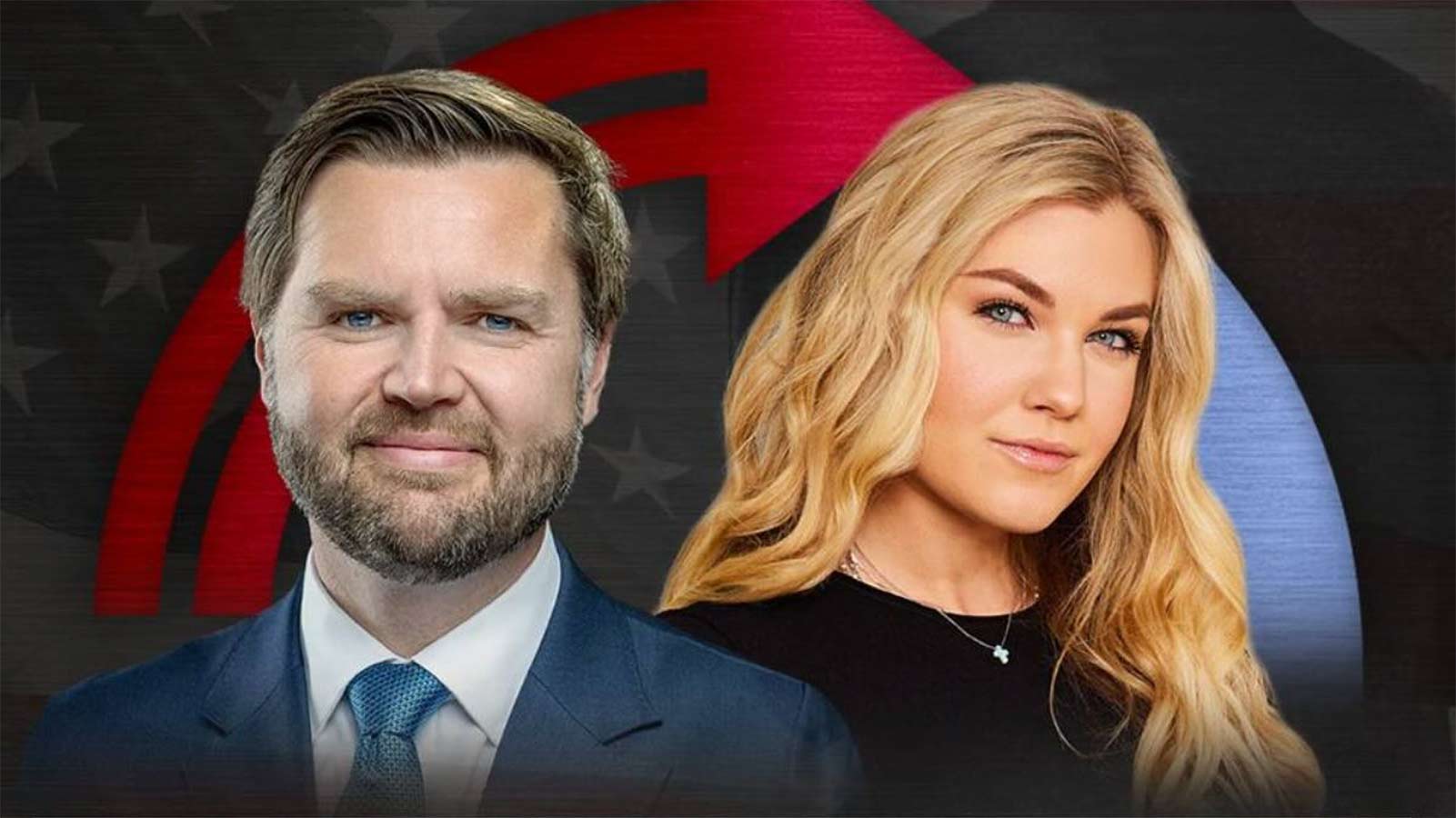
- Vice President JD Vance and Erika Kirk addressed 10,000 at the University of Mississippi, calling for a conservative Christian revival.
- The event honored slain activist Charlie Kirk, with Erika Kirk now leading Turning Point USA.
- Vance and Kirk emphasized open campus debate and urged Gen Z to anchor lives in faith and family.
- Student opposition organized a counter-event, highlighting campus divisions over free speech and academic freedom.
- Interest in Turning Point USA has surged since Kirk’s death, with plans to expand on more campuses.
Turning Point USA Tour: A Night of Remembrance and Rallying
On a rainy October night in Oxford, Mississippi, the energy inside the Sandy and John Black Pavilion was anything but dampened. Vice President JD Vance and Erika Kirk, widow of slain conservative activist Charlie Kirk, stood before a packed house of 10,000, their message resonating across generations. The event was more than a typical campus rally; it was a crossroads for the future of conservative activism, student debate, and the legacy of a movement abruptly changed by tragedy.
This was the only joint appearance by Vance and Kirk on the new “Turning Point Tour,” a rebranded effort by Turning Point USA following Charlie Kirk’s assassination in Utah seven weeks prior. The organization, now under Erika Kirk’s leadership, brought its mission to Ole Miss, with students and local politicians gathering to hear calls for a “conservative Christian revival” and for young people to embrace family, faith, and open dialogue.
Charlie Kirk’s Legacy: From Tragedy to Movement
Charlie Kirk’s influence loomed large throughout the night. Vance, honoring his friend, recounted a never-before-shared anecdote: Kirk once called the Trump administration to voice concerns about foreign policy, reminding them that his audience opposed sending American troops into unnecessary conflicts. It was a reminder that Kirk’s reach extended beyond social media into the halls of power.
Erika Kirk’s presence was both symbolic and deeply personal. She described her campus appearance as “a spiritual reclaiming of territory,” emphasizing her husband’s belief in Generation Z as “the courageous generation.” Her words echoed Charlie’s passion for engaging directly with students: “Whenever there was a student there, he would stop everything before the event and sit down with them,” she recalled, highlighting his commitment to grassroots involvement.
Since Kirk’s death, interest in Turning Point USA has surged. His podcast and social media have drawn millions of new followers, and the organization is actively expanding its footprint on college and high school campuses nationwide (Mississippi Today).
Debate at the Heart of Campus Politics
Vance, calling himself a “geriatric millennial,” made a direct appeal to students: “Your generation is living at a crossroads, and we are witnessing in real time the battle raging for the soul of your generation.” The vice president argued that open discussion is the foundation for progress, echoing Kirk’s approach to campus activism—one built on sparring with students, not silencing them.
He fielded tough questions on immigration, constitutional freedoms, and the Trump administration’s policies. Vance stood by the administration’s push for H-1B reform, claiming that high levels of legal immigration “undercut the wages of American workers” (NewsNation). He also addressed the ongoing government shutdown, blaming Democrats for the impasse.
On social issues, Vance’s message was unequivocal: “While you’re young, have those babies if you’re able to,” he said, urging students to center their lives around family and faith. “The future of the country would be best served with a properly rooted Christian moral order.”
Campus Response: Supporters and Critics Face Off
The rally was not without controversy. Outside the arena, a coalition of student groups, including College Democrats, organized a counter-event featuring prominent progressive voices like California Congressman Ro Khanna and Tennessee state Rep. Gloria Johnson. Their statement charged that Turning Point USA sought to “provide academic legitimacy to hatred, suppression of free speech, and over-partisanship championed by the administration of President Trump and Vice President Vance.” They pointed to attempts to reshape federal funding and university policies, arguing that academic freedom was under threat.
Inside, the crowd was jubilant. Red “Make America Great Again” and white “47” caps dotted the arena. Mississippi’s Republican leadership—including Gov. Tate Reeves and U.S. Sens. Roger Wicker and Cindy Hyde Smith—sat in the front rows, lending weight to the event’s political significance.
For many students, Kirk’s legacy was personal. Emily Lecler, a University of Mississippi student and Turning Point volunteer, said Kirk’s death “pushed people in the right direction and opened a lot of people’s eyes.” She described Kirk as “Godly, American,” and the embodiment of what Turning Point stands for.
Historical Context: Ole Miss and Political Division
The University of Mississippi has long been a stage for national debates over race, rights, and ideology. In 1962, James Meredith’s fight to integrate the university sparked violence and became a landmark in the struggle for civil rights. Decades later, the campus is once again in the spotlight, with heavy law enforcement presence following Kirk’s assassination.
As Ole Miss student DJ Stobbe put it, “Maybe this could be a turning point in that this is a uniting sense, bringing people together.” Yet the divisions remain, both on campus and across the nation, as students, activists, and politicians grapple with the meaning of free speech and the role of universities in shaping America’s future (WTOK).
The Turning Point Tour continues, with its next stop scheduled for Auburn University. The message, however, remains the same: a call for dialogue, a return to conservative values, and a recognition of the complex legacy left by Charlie Kirk.
Assessment: The Ole Miss Turning Point event encapsulated a moment where grief, ideology, and generational change collided. Vance and Erika Kirk channeled loss into renewed activism, while students and opponents reminded the nation that campuses remain battlegrounds for America’s future. The story is not just about conservative revival—it’s about who controls the narrative and how debate, not division, might shape what comes next.
Image Credits to olemisstpusa