
Quick Read
- JD Vance, Vice President, is highlighting affordability concerns in the Rust Belt, drawing on personal experiences to connect with voters.
- The Trump administration insists the economy is strong, but polling shows many Americans still struggle with rising costs.
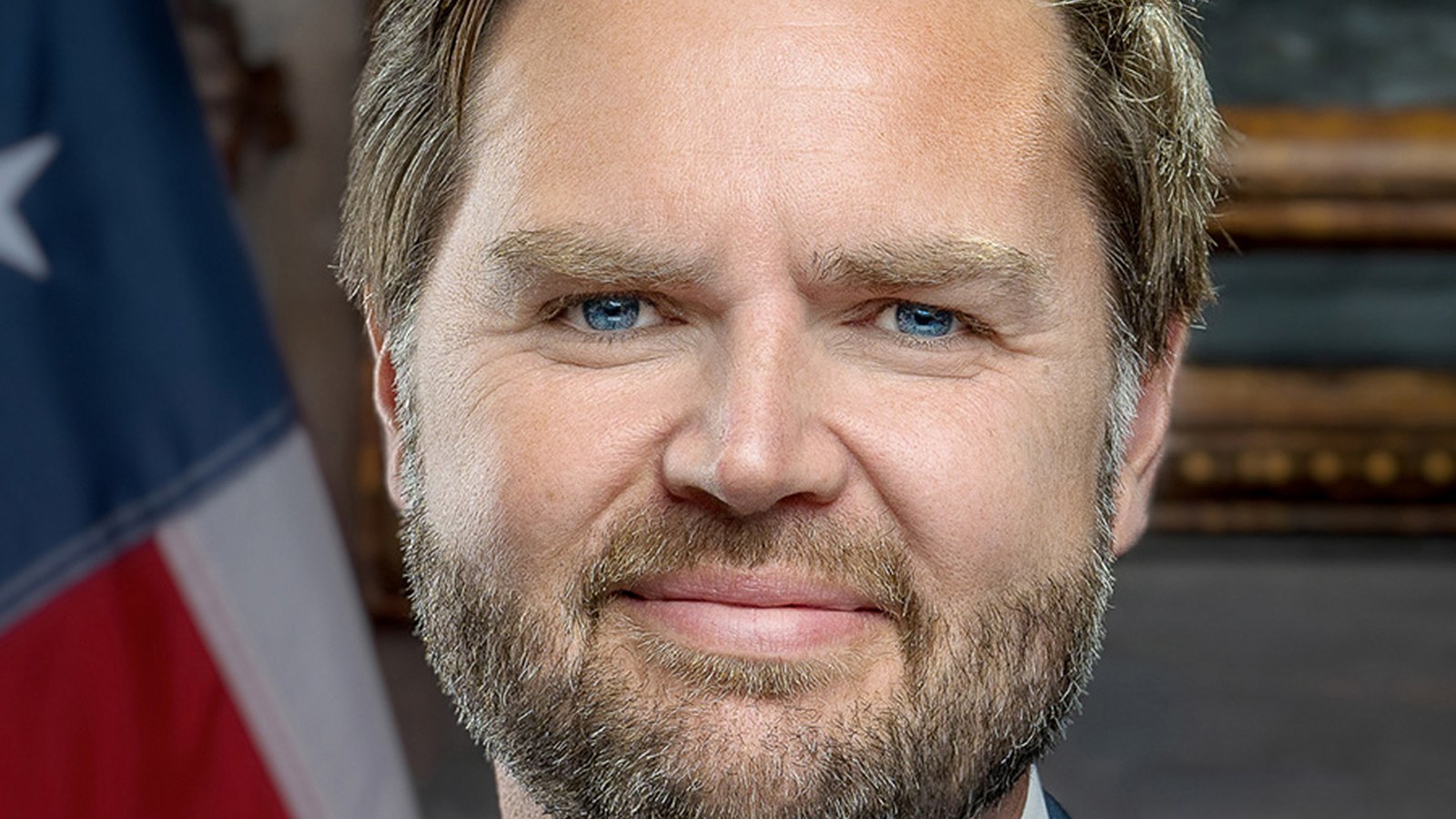
- Media scrutiny has intensified, with Vanity Fair’s interviews and close-up photography drawing attention to Vance’s public image and White House dynamics.
- Internal messaging tensions persist, as Vance’s empathetic approach contrasts with Trump’s dismissive tone on affordability.
- The administration promises major economic improvements in 2026, but voters expect tangible action soon.
JD Vance’s Balancing Act in the Rust Belt: Empathy Meets Economic Reality
Vice President JD Vance stepped into a Lehigh Valley warehouse this December, facing a crowd eager for answers on a familiar crisis: the rising cost of living. Vance, whose personal journey from a tough childhood is chronicled in his memoir “Hillbilly Elegy,” didn’t just recite policy points—he invoked memories of families forced to choose between groceries and essential medications. That’s a story many in Pennsylvania’s Rust Belt recognize all too well, and it’s one that Vance has made central to his outreach as the Trump administration’s most disciplined economic messenger.
Yet, as Vance threads the needle between personal empathy and political messaging, he’s constrained by a White House narrative that insists the economy is better than ever. President Trump recently graded the economy “A+++” and dismissed affordability concerns as a “hoax”—a stance that has landed awkwardly in regions where everyday costs still sting. The administration’s message, according to insiders cited by POLITICO, is that inflation and economic hardship are Biden’s legacy, not theirs. But for many Americans, that argument is wearing thin.
Nearly half of respondents in a recent POLITICO Poll said essentials like groceries, housing, and healthcare remain difficult to afford. Even among 2024 Trump voters, 37 percent described the current cost of living as the worst they can recall. The political stakes couldn’t be higher: with midterms looming in 2026, voters expect solutions, not blame.
White House Messaging: Sympathy or Spin?
Vance’s approach has been notably more measured than Trump’s. While the president jokes about affordability and attacks critics, Vance acknowledges the pain and pledges action: “I know what it’s like for a woman who’s trying to support a grandson but can’t afford prescription drugs,” he told the crowd. “That is not a life that Donald Trump or I want for the citizens in the greatest country in the world.”
Yet, even Vance struggles to reconcile his personal outreach with the administration’s insistence that the economy is roaring. The White House press secretary, Karoline Leavitt, maintains there’s been “significant progress,” but concedes “much work to do.” Vance himself admits, “We’ve made a lot of progress over the past 10 months, but of course there’s a lot more progress to be made.”
The split in messaging is palpable. Republican strategist Kevin Madden warns that “blame has a shelf life”—voters now look to the current administration for results, not excuses. Douglas Holtz-Eakin, of the American Action Forum, notes that Trump’s lack of broad empathy could be a liability, referencing his limited success in past midterms.
Media Spotlight: Vanity Fair, Critiques, and the Human Side of Politics
The public image of Vance and other White House officials has come under sharp scrutiny in recent weeks. Vanity Fair’s close-up photographic feature, shot by Christopher Anderson, sparked a wave of social media reactions for its unflinching portrayal of Trump’s team—including Vance. Comments ranged from humor—”I need a trigger warning on such an aggressive picture”—to outright shock. Vance himself reportedly joked, “Is this the part where you say we’re all evil?” as the lens focused in.
The media attention doesn’t stop at photos. Vanity Fair’s interviews with Chief of Staff Susie Wiles were especially pointed: she described Vance as “a conspiracy theorist for a decade,” a label that Trump and Wiles publicly dismissed as biased reporting. Wiles, the first female White House chief of staff, has become a lightning rod for both praise and criticism, bringing further scrutiny to the administration’s inner circle.
Looking Ahead: Promises and Political Realities
With the administration promising that “2026 is going to be the year where this economy really takes off,” expectations are high and pressure is mounting. Treasury Secretary Scott Bessent touts the “One Big Beautiful Bill” as the solution to affordability, promising more money in Americans’ pockets as tax cut provisions take effect. Senior officials admit, however, that optimism about “next year” is tempered by the reality that economic improvement takes time and sustained effort.
As the administration shifts its messaging toward future gains, the challenge remains: will voters feel the promised relief soon enough to reward the White House in the midterms? The answer may hinge on whether Vance and his colleagues can move beyond blame and deliver tangible results.
The Human Dimension: Empathy, Messaging, and the Weight of Expectation
In Vance, the Trump administration has found a messenger who bridges policy and personal experience. His ability to connect with struggling families may be his strongest asset, but it’s not enough to overcome economic realities alone. Voters want empathy, yes—but they also want action. The political theater surrounding the White House, amplified by media coverage and internal tensions, adds another layer to an already complex landscape.
As 2025 draws to a close, JD Vance stands at the intersection of empathy and expectation, policy and politics. The story within the story is not just about economic statistics or campaign messaging—it’s about whether leaders can truly understand and address the daily struggles of the people they serve.
Assessment: JD Vance’s challenge is clear—his personal credibility and empathetic outreach offer the administration a chance to reconnect with voters disillusioned by economic hardship. But unless these stories of empathy translate into effective policy and real economic relief, even the most disciplined messaging will struggle to shift the public mood. The administration’s future may depend less on defending its past and more on delivering a vision of tangible progress—one that ordinary Americans can actually feel, not just hear.