
Quick Read
- President Jeffrey R. Holland died December 27, 2025, at age 85 from kidney disease complications.
- He served as President of the Quorum of the Twelve Apostles and was a $1 of Brigham Young University.
- Holland was renowned for his empathetic leadership, inspiring messages, and global influence in the Church.
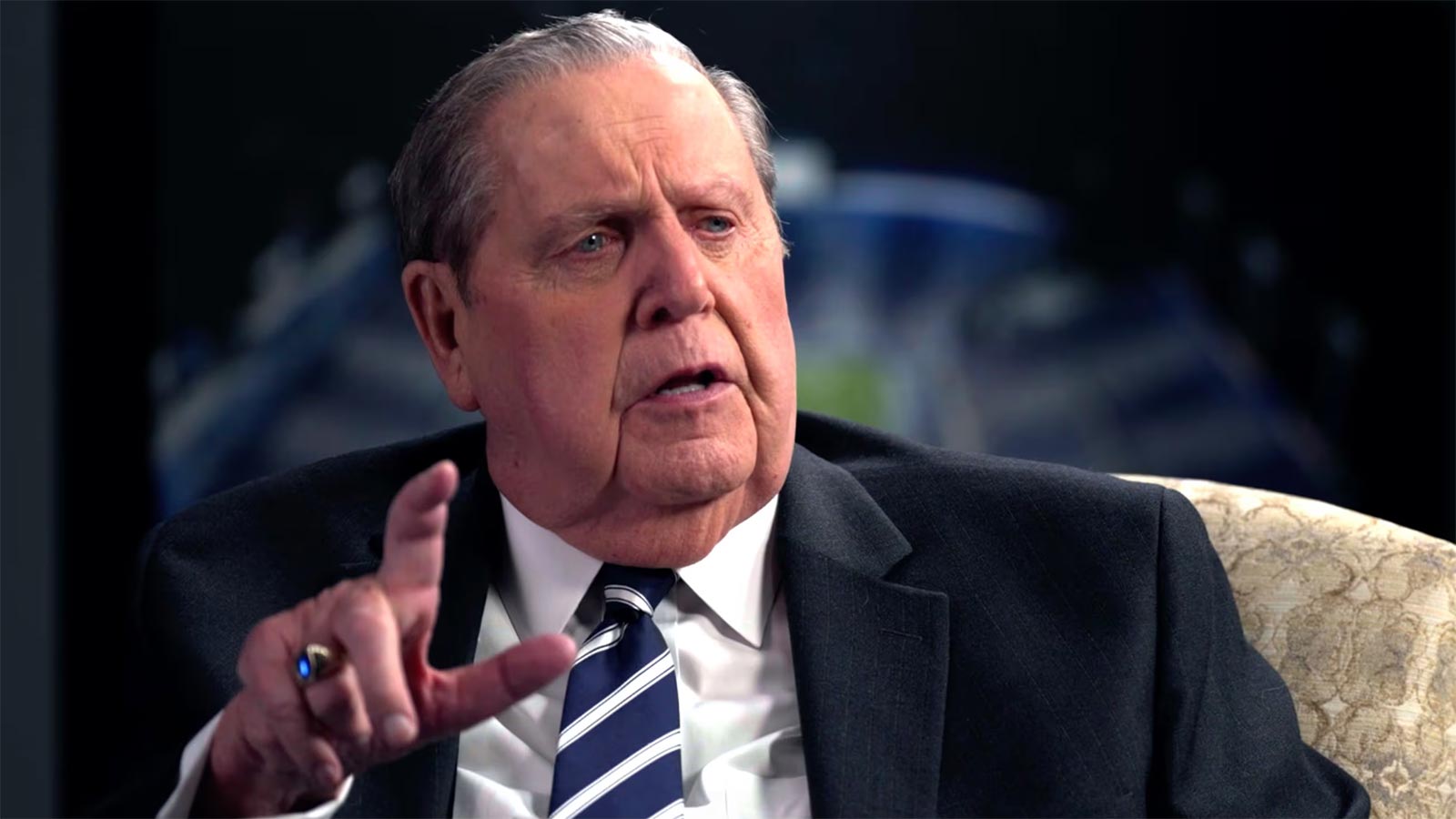
President Jeffrey R. Holland, President of the Quorum of the Twelve Apostles of The Church of Jesus Christ of Latter-day Saints, died in Salt Lake City at 3:15 a.m. on Saturday, December 27, 2025, after being hospitalized for complications related to kidney disease. He was 85 years old, and his passing—surrounded by family—marks the end of an era defined by unyielding faith, empathetic leadership, and a lifetime dedicated to uplifting others.
Born in St. George, Utah, in 1940 to Frank D. and Alice Bentley Holland, Jeffrey Holland’s early years were painted with the hues of southern Utah’s rugged landscape. He often described himself as a «southern Utah boy through and through,» with «red sand in my shoes and lava in my bones.» That sense of place—rooted in pioneer values of hard work and honesty—remained a core part of his identity, shaping not only his personal journey but the way he led others.
From his boyhood in a close-knit community, where «everyone knew each other,» to his days as an athlete and student leader, Holland’s formative experiences taught him the importance of community and resilience. It was in St. George that he met Patricia Terry, the woman who would become his lifelong companion. Their story began in high school and blossomed into a partnership that would last over six decades, until Patricia’s passing in 2023.
Holland’s academic path was as remarkable as his spiritual one. After earning bachelor’s and master’s degrees from Brigham Young University (BYU), he went on to Yale University, where he completed both master and doctor of philosophy degrees in American studies. His commitment to education led him to serve as dean of BYU’s College of Religious Education, commissioner of the Church Educational System, and eventually as the ninth president of BYU—a university with more than 30,000 students.
His tenure at BYU was marked by significant milestones: the establishment of the BYU Jerusalem Center, leadership in national academic organizations, and fostering interfaith understanding, notably being awarded the Torch of Liberty by the Anti-Defamation League. Holland’s approach to both scholarship and administration was grounded in the belief that «by the sweat of your brow, you can do a lot,» reflecting the lessons of his upbringing.
Holland was called as an Apostle in 1994, after serving as a General Authority Seventy. His influence as a Church leader stretched far beyond Utah, reaching nearly every corner of the globe. Known for his eloquence and warmth, he delivered memorable general conference talks, devotionals, and missionary messages, always emphasizing that the «gospel of Jesus Christ is personally precious, everlastingly hopeful and eternally true.»
One of the defining features of Holland’s ministry was his empathy. Those who met him—whether in a church hallway or halfway across the world—described an immediate sense of connection, a handshake that felt genuine, and words that lifted spirits. Elder Quentin L. Cook, his longtime friend and former missionary companion, noted Holland’s unique ability to teach and inspire: «He had a fabulous talent for teaching the gospel, along with enormous spiritual depth.»
Holland’s journey as a missionary in England was transformative. Despite lacking a family tradition of missionary service, he embraced the call, arriving in the mission field with little experience but returning with a deep spiritual conviction. England became his «spiritual home,» and the relationships forged there—especially with Elder Cook—would endure for decades. The experience was, in his words, «seminal,» shaping not only his faith but his approach to life.
Family was at the heart of Holland’s life. He and Patricia raised three children—Matthew, Mary Alice, and David—instilling in them the values of faith, kindness, and service. Holland often prioritized family time, with dinner table conversations filled with laughter, encouragement, and testimony. The Hollands’ devotion to one another was evident, not only in their public ministry but in their private moments of support and resilience during times of trial, including the loss of a child.
Throughout his ministry, Holland confronted personal health challenges, including neuropathy, kidney disease, and a serious bout with COVID-19. Despite these obstacles, he continued to serve and inspire, crediting the prayers of Church members worldwide for sustaining him. «I’m staggering toward the finish line. I refuse to get off the track. I’m still in the race,» he declared during a 2023 interview, epitomizing his determination and faith.
Holland’s legacy also includes his tireless advocacy for hope and charity. In his final years, he encouraged young adults to «shine the brightness of your hope» on a world facing heavy challenges. He insisted that hope is not just for the naturally optimistic, but «the privilege of everyone who believes.» His final blessing to the next generation was a call to anchor their lives in faith, hope, and charity—principles he embodied throughout his life.
Colleagues and friends described Holland as a man whose love for others was palpable. President James E. Faust once observed, «He has the marvelous capacity to make people feel that they are his very best friends.» Holland’s leadership style was marked by sincere connection and an unwavering commitment to building up those around him.
His passing leaves a profound void, not only in the hearts of his family—three children, 13 grandchildren, and several great-grandchildren—but in the global Church community. Yet, his legacy endures: a legacy of faith tested and refined, of leadership rooted in empathy, and of a life spent helping others discover their own place in the family of God.
President Holland’s journey stands as a testament to the power of steadfast faith and authentic connection. His ability to blend scholarship with spirituality, leadership with humility, and challenge with hope offers an enduring blueprint for those who seek to uplift others—not only within religious communities, but wherever humanity strives for meaning and compassion. (KUTV, The Church News, Church Newsroom)