
Quick Read
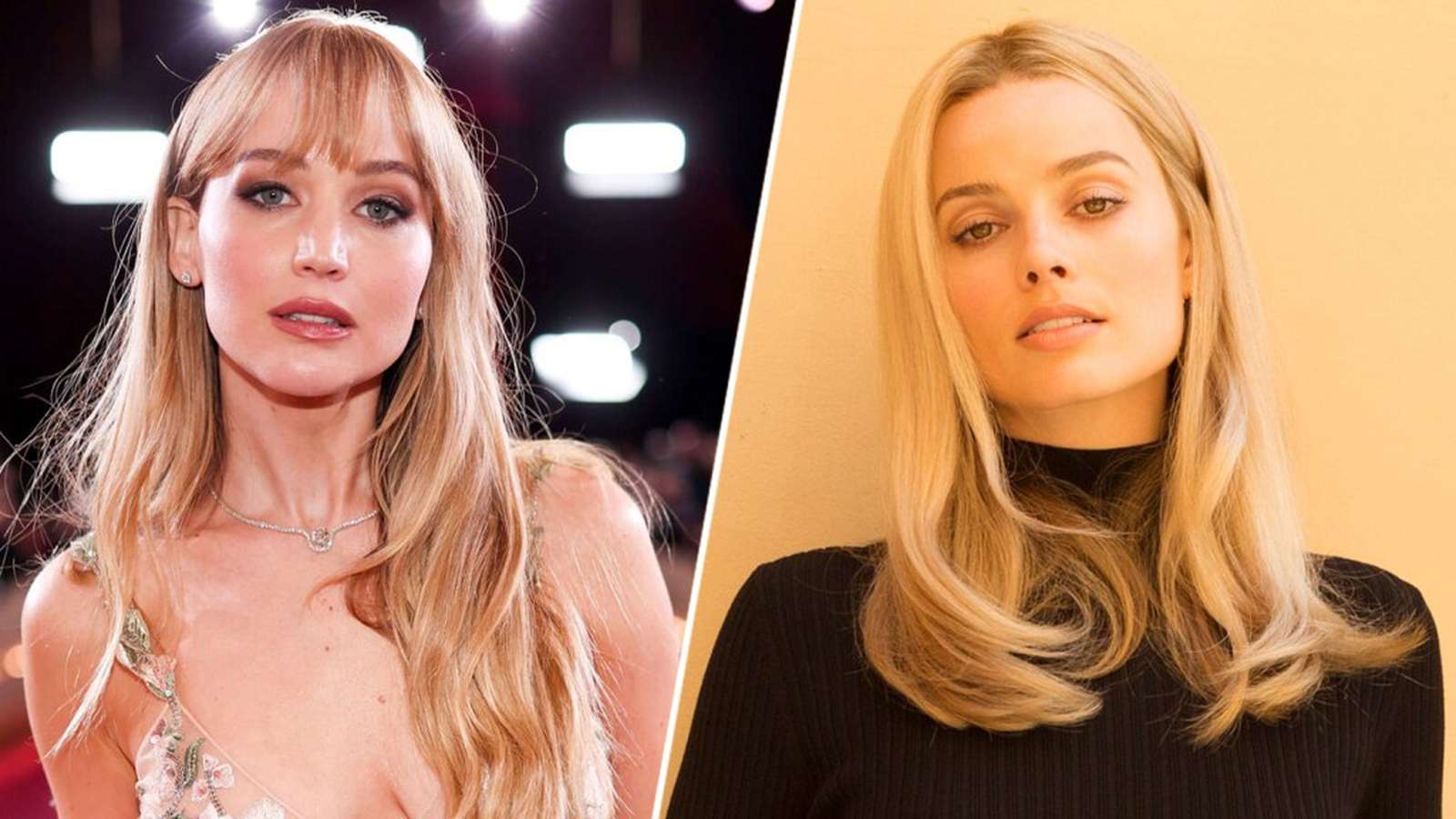
- Jennifer Lawrence believes online trolls calling her “not pretty enough” cost her the role of Sharon Tate in ‘Once Upon a Time in Hollywood’.
- Quentin Tarantino had expressed interest in casting Lawrence for the 2019 film.
- Margot Robbie ultimately played Sharon Tate, receiving critical acclaim for her portrayal.
- ‘Once Upon a Time in Hollywood’ was a major commercial and critical success, grossing over $377 million worldwide.
- Sharon Tate was a rising star in 1969, tragically murdered at the peak of her career.
In the ever-evolving landscape of Hollywood, where public perception can often feel as potent as artistic merit, Oscar-winning actress Jennifer Lawrence has recently shed light on a deeply personal experience, revealing her belief that online commentary potentially cost her a coveted role. Speaking on the Happy Sad Confused podcast, Lawrence, known for her candidness, shared her conviction that she missed out on playing the iconic Sharon Tate in Quentin Tarantino’s 2019 film, ‘Once Upon a Time in Hollywood,’ because internet trolls deemed her ‘not pretty enough.’
The revelation has sparked considerable discussion, offering a rare glimpse into the subtle, yet powerful, influence of social media on the casting process, even for an actress of Lawrence’s caliber. She recounted how writer/director Quentin Tarantino had expressed interest in collaborating with her for the revisionist history ensemble film. However, according to Lawrence, the subsequent online chatter regarding her potential casting—specifically, comments questioning her suitability to portray Tate’s beauty—may have ultimately swayed the decision. ‘And then everybody was like, ‘She’s not pretty enough to play Sharon Tate,” Lawrence recalled, adding, ‘And then they didn’t.’ While acknowledging that her perception might be influenced by how long she’s told the story, she firmly stated, ‘No, but I’m pretty sure that happened. Or he just was never considering me for the part, and the internet just…’ leaving the implication hanging in the air.
The Audition That Never Was: Lawrence’s Tarantino Connection
Jennifer Lawrence’s account provides a fascinating, if disheartening, look at the behind-the-scenes realities of an industry constantly under the microscope. Quentin Tarantino, a filmmaker celebrated for his distinctive vision and often unconventional casting choices, had indeed shown an inclination to work with Lawrence. This makes her claim all the more poignant, suggesting that external, often cruel, judgments from anonymous online users could potentially derail a director’s initial interest, even before formal discussions or screen tests fully materialize. The dynamic between a director’s artistic vision and the pervasive noise of public opinion is a delicate balance, and Lawrence’s story highlights how easily that balance can be disrupted.
The role of Sharon Tate ultimately went to Margot Robbie, who garnered widespread praise for her portrayal of the glamorous and tragic actress. Robbie’s performance was lauded for its nuanced sensitivity, capturing Tate’s effervescent spirit without dwelling on her horrific fate. For many, Robbie’s physical resemblance to Tate was striking, a factor that undoubtedly contributed to the positive reception of her casting. However, Lawrence’s comments raise a broader question about the subjective nature of beauty and the unfair standards often imposed on actresses, particularly when portraying real-life figures. Is it the actor’s job to merely replicate an image, or to embody a character’s essence, regardless of superficial resemblance?
The Shadow of Online Scrutiny: Beauty Standards in Hollywood Casting
Hollywood has long grappled with stringent beauty standards, but the advent of social media has amplified public scrutiny to unprecedented levels. Actors are no longer just judged by critics or industry insiders; they are subjected to instant, often unfiltered, commentary from millions online. This phenomenon, as described by Lawrence, suggests a chilling new layer to the casting process, where actors might not only compete for roles but also contend with a pre-emptive online ‘trial’ of their appearance. The idea that a director might reconsider a choice due to public backlash over an actor’s looks is a concerning precedent, potentially stifling creative freedom and reinforcing narrow ideals of beauty.
As Glenn Garner of Deadline Film + TV reported on January 15, 2026, the incident underscores the brutal and often dehumanizing aspects of casting in a visual medium. While some might argue that physical resemblance is a legitimate consideration when portraying a real person, the way this feedback is delivered online—often through harsh, anonymous comments—can be deeply damaging. It forces a conversation about the ethics of online discourse and the responsibility of platforms to curb such negativity, especially when it impacts professional opportunities and personal well-being. The subjective nature of beauty becomes a public battleground, with real-world consequences for those in the spotlight.
Sharon Tate’s Legacy and ‘Once Upon a Time in Hollywood’s Impact
‘Once Upon a Time in Hollywood,’ released in 2019, was a commercial and critical triumph, grossing over USD 377 million worldwide, as noted by The Tribune India. The film, set in the vibrant, yet rapidly changing, Hollywood of 1969, wove together the fictional tales of fading TV actor Rick Dalton (Leonardo DiCaprio) and his stunt double/best friend, Cliff Booth (Brad Pitt), against the ominous backdrop of the Manson Family murders. Sharon Tate, tragically murdered in August 1969, was at the zenith of her burgeoning career, having starred in films like ‘Valley of the Dolls’ (1967) and ‘The Fearless Vampire Killers’ (1967). Tarantino’s film offered a poignant, albeit revisionist, tribute to her life, imagining a world where she might have escaped her tragic fate.
The film’s success highlighted the enduring fascination with Hollywood’s golden era and the dark undercurrents that sometimes define it. It also brought renewed attention to Tate’s story, not just as a victim, but as a talented actress and a symbol of the era’s innocence. Lawrence’s comments, while focusing on her personal experience, inadvertently contribute to this broader narrative, reminding us that even in the retelling of history, the pressures of appearance and public judgment continue to shape contemporary Hollywood. The internet’s pervasive nature ensures that every casting decision, every public appearance, and every comment about an actor’s looks is scrutinized with an intensity that past generations of performers never faced.
Jennifer Lawrence’s candid admission reveals a troubling truth about modern Hollywood: the increasing power of anonymous online voices to influence creative decisions. While casting has always involved subjective criteria, the notion that a director’s interest might be swayed by internet trolls’ assessments of an actor’s physical attractiveness represents a concerning erosion of artistic autonomy and an alarming escalation of external pressures. It underscores a dangerous precedent where talent and a director’s vision risk being overshadowed by the superficial judgments of a digital mob, potentially limiting the diversity of talent and interpretations on screen.