
Quick Read
- Jennifer Neville-Lake lost her three children and father in a drunk-driving crash in 2015.
- She has spent a decade advocating for road safety and supporting victims of impaired driving.
- Ontario has strengthened impaired driving laws since the tragedy.
- Jennifer continues to struggle with grief while serving as a public advocate.
Jennifer Neville-Lake: Marking Ten Years Since Tragedy
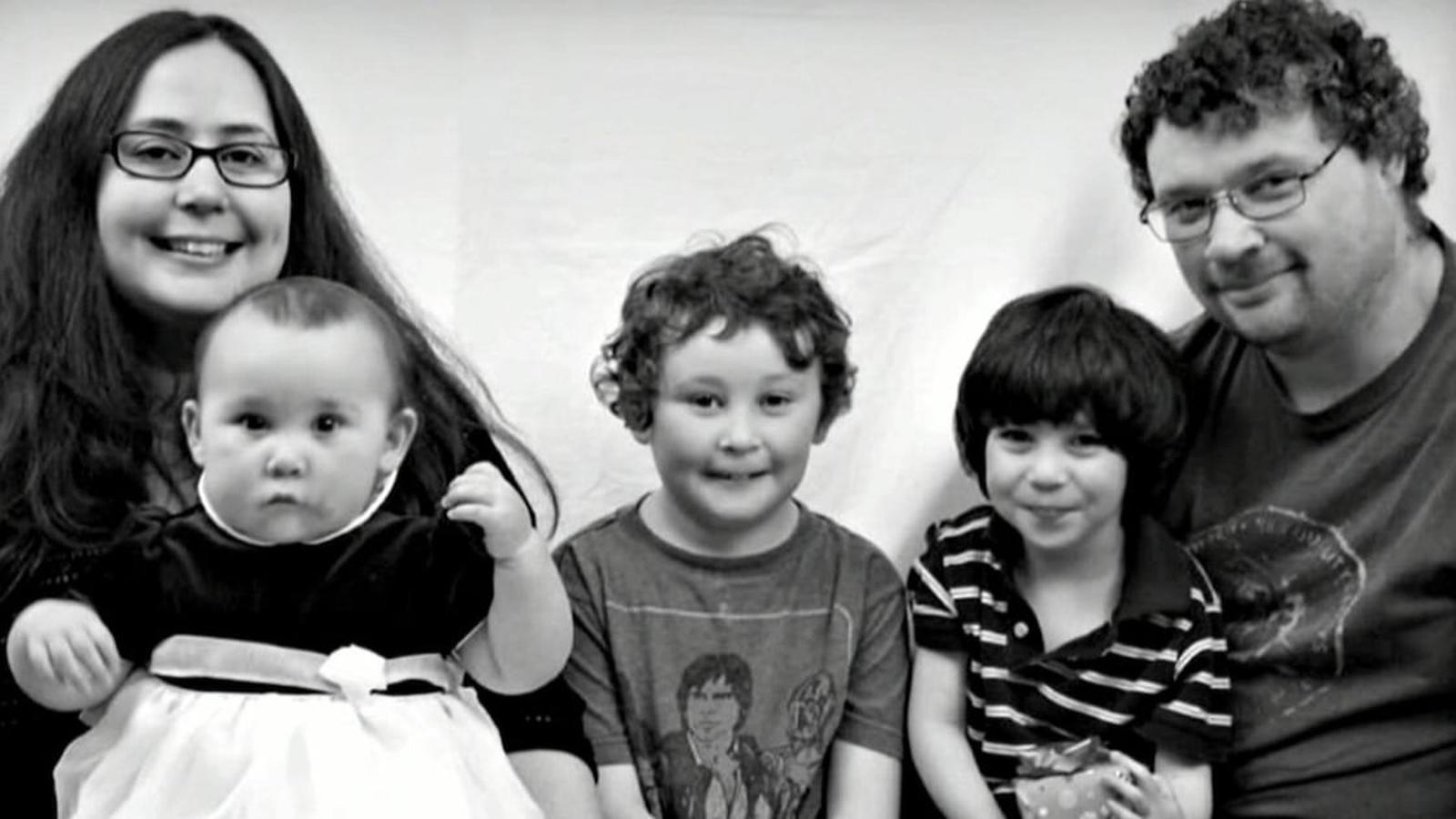
Ten years have passed since Jennifer Neville-Lake’s life was irrevocably changed by a drunk-driving crash—a single moment that shattered a family and sent shockwaves across Canada. In September 2015, Neville-Lake’s three children, Daniel, Harrison, and Milly, along with her father, Gary, were killed in a collision that was both senseless and avoidable. The man behind the wheel was convicted, but for Jennifer, the real sentence has been living with the aftermath.
Now, a decade later, Neville-Lake’s story remains a powerful reminder of the enduring impact of loss and the ongoing struggle for healing. In recent interviews with CTV News and CP24, Jennifer has spoken candidly about her journey—one marked not just by grief, but by the painstaking effort to rebuild a life when the foundation has been swept away.
The Weight of Memory: A Mother’s Daily Battle
For most parents, memories of their children are a source of joy. For Jennifer, they are both a comfort and a torment. She describes waking up each day to an emptiness that cannot be filled. The home that once echoed with laughter is now silent, a constant reminder of what was lost. Steve Ryan, a veteran reporter, recently sat down with Jennifer to discuss how she copes. He described her struggle as profound—a daily negotiation with sorrow, punctuated by moments of strength and clarity.
“She’s struggling,” Ryan told viewers, his voice carrying the weight of empathy and respect. He recounted how Jennifer’s resilience was evident, but so too was her vulnerability. There are no easy answers, and no simple path forward. Grief, she says, is not linear. It is a spiral—sometimes tightening, sometimes loosening, but never truly disappearing.
Public Grief, Private Pain: Navigating the Spotlight
Jennifer’s tragedy has played out, in part, on a public stage. The crash, its legal aftermath, and the community response have made her a symbol—of loss, yes, but also of the fight against impaired driving. Over the years, she has lent her voice to campaigns, spoken at events, and become a figure many look to for inspiration. Yet, as she revealed in her recent conversations, being in the spotlight brings its own burden.
“People see the advocacy,” Jennifer explains, “but they don’t see the nights when I can’t sleep, or the days I can’t get out of bed.” The expectation to be strong, to carry the banner of change, can be overwhelming. She acknowledges the support she’s received, but also the need to retreat, to find spaces where she can simply be herself—a mother, a daughter, a woman in pain.
A Decade of Change: Advocacy and Impact
Since the crash, Ontario and other provinces have revisited laws around impaired driving. Road safety measures have been strengthened, and public awareness campaigns have become more visible. Jennifer’s voice has contributed to these changes, but she is quick to point out that progress is uneven. “There’s still work to be done,” she insists, “and every time another life is lost to drunk driving, it’s a reminder that we can’t let up.”
Her advocacy is rooted in personal experience, but it is also a call to collective action. Jennifer urges communities to support victims—not just in the immediate aftermath, but for years to come. Healing, she says, is a long process, and survivors need ongoing resources, compassion, and understanding.
Looking Forward: The Challenge of Hope
Where does one find hope after such profound loss? For Jennifer, the answer is complicated. She speaks of “small victories”—moments when she can laugh, when she feels connected to those around her. She is grateful for the friends and family who have stood by her, and for the strangers who have reached out with words of comfort.
Yet, as she marks this tenth anniversary, Jennifer acknowledges that some wounds never close. The pain is part of her, woven into the fabric of her identity. “I’m learning to live alongside my grief,” she says, “to let it be present without letting it define every moment.” It’s a delicate balance—one that many survivors understand, but few can articulate with such clarity.
The Broader Conversation: Community and Responsibility
Jennifer’s story is not unique in its tragedy, but it is rare in its visibility. Her willingness to share, to be vulnerable in public, has helped spark important conversations about community responsibility. Steve Ryan, reflecting on his interview, noted that “Jennifer’s openness is a gift—it invites us to look beyond headlines and statistics, to see the human cost of preventable tragedies.”
There is a growing recognition that healing from loss requires more than legal justice. It demands community support, policy change, and cultural shifts. As Jennifer continues her journey, she remains committed to these broader goals, hoping that her story will serve as both a warning and a source of strength for others.
Ten Years On: What Remains, What Changes
Anniversaries of tragedy are complex. They bring a surge of emotion, a flood of memories, and the inevitable question: what has changed? For Jennifer Neville-Lake, the answer is both personal and public. She is not the woman she was a decade ago—grief has reshaped her, but it has not destroyed her. She moves forward, sometimes slowly, sometimes with surprising strength, always mindful of the lives lost and the lessons learned.
As communities across Canada reflect on her story, there is hope that the pain endured will lead to greater compassion, smarter policies, and, ultimately, fewer tragedies. Jennifer’s journey is a testament to the resilience of the human spirit—a reminder that even in the face of unimaginable loss, there can be movement, growth, and, perhaps, the possibility of peace.
Jennifer Neville-Lake’s decade-long struggle illuminates the deep, lasting impact of preventable tragedy. Her voice challenges all of us—individuals, communities, and policymakers—to turn sorrow into meaningful action, ensuring that the lessons of her loss lead to safer roads and stronger support for survivors.