
Quick Read
- Rev. Jesse Jackson, 84, has been hospitalized in Chicago for observation due to progressive supranuclear palsy (PSP).
- Jackson was initially diagnosed with Parkinson’s disease; his PSP diagnosis was confirmed in April 2024.
- Jackson has advocated for racial equality, economic justice, and voter rights for over 60 years.
- He retired as president of the Rainbow PUSH Coalition in July 2023.
- His family and organization have requested prayers and support during this time.
Jesse Jackson Hospitalized: A Turning Point for a Civil Rights Legend
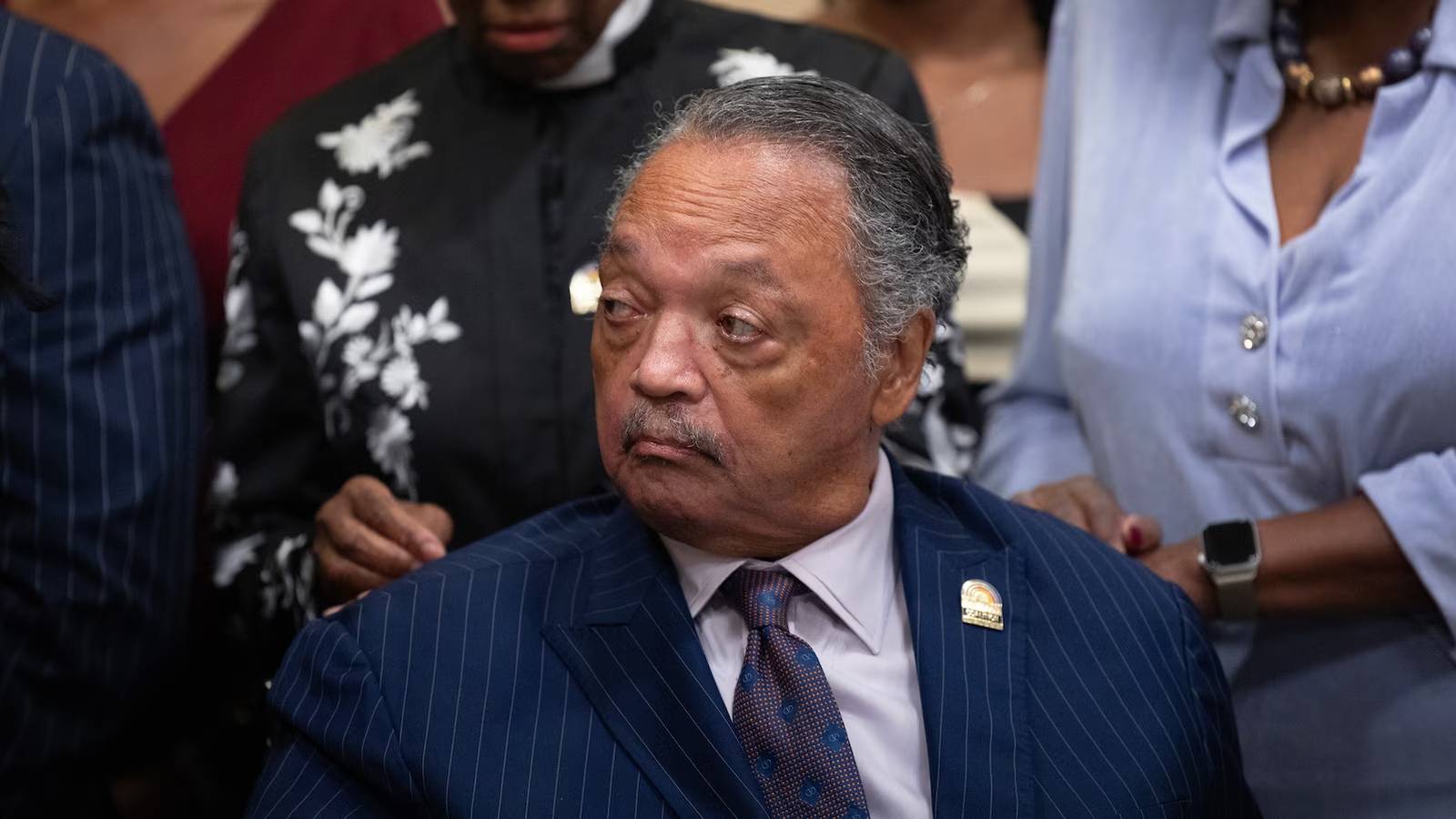
Rev. Jesse Jackson, a figure synonymous with America’s civil rights movement, has been hospitalized in Chicago, according to statements from the Rainbow PUSH Coalition. At 84, Jackson faces a fresh challenge in his ongoing battle with progressive supranuclear palsy (PSP)—a rare, relentless neurodegenerative disorder. While his family has asked for prayers, the news reverberates far beyond hospital walls, prompting reflection on a lifetime devoted to justice and equality.
Decades of Advocacy: From King’s Protégé to Movement Architect
Jackson’s journey began in the turbulent 1960s, when he joined forces with the Rev. Martin Luther King Jr., lending his voice and presence to protests for fair housing and racial equality in Chicago’s South and West sides. As a young activist, Jackson quickly became one of King’s most trusted allies—his protégé—helping to shape the direction of the movement. His role in the Southern Christian Leadership Conference’s Operation Breadbasket not only solidified his reputation but also laid the groundwork for future endeavors.
In 1971, Jackson founded Operation PUSH (People United to Save Humanity), an organization designed to uplift Black communities through economic empowerment. This initiative later merged with the National Rainbow Coalition, which Jackson launched in 1984 to champion equal rights for all Americans. The merger birthed the Rainbow PUSH Coalition, a powerful force for social justice headquartered in Chicago.
Jackson’s activism was never limited to organizational leadership. He marched in Selma, Alabama, commemorating the infamous “Bloody Sunday” and rallying for voting rights. He stood alongside fellow leaders at pivotal moments in history, his actions echoing the legacy of King while carving out his own distinct path.
Health Struggles: Public Battles and Personal Resolve
Jackson’s health has been a matter of public concern for years. In 2017, he revealed his diagnosis of Parkinson’s disease, candidly sharing how the symptoms—tremors, stiffness, and impaired movement—were both physically and emotionally taxing. “My family and I began to notice changes about three years ago,” he wrote, describing the recognition of the illness as “painful.” Parkinson’s had already taken his father, and the diagnosis marked a somber milestone in Jackson’s life.
Yet, Jackson met the challenge head-on. He committed to physical therapy, adjusted his lifestyle, and continued to appear at major events, including conventions and rallies. In 2021, he endured a series of health scares: gallbladder surgery, a COVID-19 hospitalization alongside his wife, and a fall at Howard University that led to overnight observation.
In April 2024, Jackson’s medical team confirmed a diagnosis of PSP—a condition even more debilitating than Parkinson’s. According to the US National Institute of Neurological Disorders and Stroke, PSP affects body movements, balance, and eye function, with most patients developing severe disabilities within three to five years. Unlike Parkinson’s, PSP progresses rapidly, leaving those affected with mounting physical limitations.
A Legacy of Leadership: Retirement and Reflection
Despite the mounting health challenges, Jackson remained at the helm of Rainbow PUSH Coalition until July 2023, when he announced his retirement. He was succeeded by Rev. Frederick Douglass Haynes III, who continues Jackson’s mission. Jackson’s departure was not just a transition of leadership—it marked the end of an era, the closing of a chapter written by one of the movement’s most enduring voices.
Jackson’s contributions are woven into the fabric of American history. He twice ran for U.S. president, in 1984 and 1988, breaking barriers and inspiring generations. His relentless advocacy helped shape policy, empower marginalized communities, and bring issues of racial and economic justice into mainstream discourse. Even after stepping down, Jackson continued to attend significant events, such as the National Bar Association’s convention in Chicago, remaining a respected elder statesman among legal and civil rights professionals.
Community Response and Continuing Impact
News of Jackson’s hospitalization has sparked concern and support from communities nationwide. The Rainbow PUSH Coalition, as well as family members, have expressed gratitude for the outpouring of prayers and well-wishes. Public figures, including $1 Joe Biden—who was scheduled to speak at an awards gala attended by Jackson—have acknowledged the impact Jackson has had on the nation’s conscience.
Jackson’s story is not merely one of personal struggle. It is a reflection of the broader fight for justice—a reminder that the movement continues, even as its architects face their own battles. The organizations Jackson built remain active, advocating for voter rights, economic opportunity, and social equity. His presence, even from a hospital bed, continues to inspire those who carry the torch forward.
As the world awaits further updates on Jackson’s condition, his legacy endures. The arc of his life—from King’s protégé to presidential candidate, activist, and coalition builder—serves as a testament to the power of resilience and moral conviction. For many, Jesse Jackson is more than a leader; he is a symbol of hope, a reminder that the pursuit of justice is both a collective and deeply personal journey.
Jackson’s hospitalization brings into sharp relief the intersection of personal vulnerability and public leadership. His decades-long struggle for civil rights, now mirrored in his fight against a debilitating illness, reminds us that the work of social change is both demanding and deeply human. The movement he helped build is resilient, and his legacy will shape its course for years to come.